Why Bike Category Matters More Than You Think
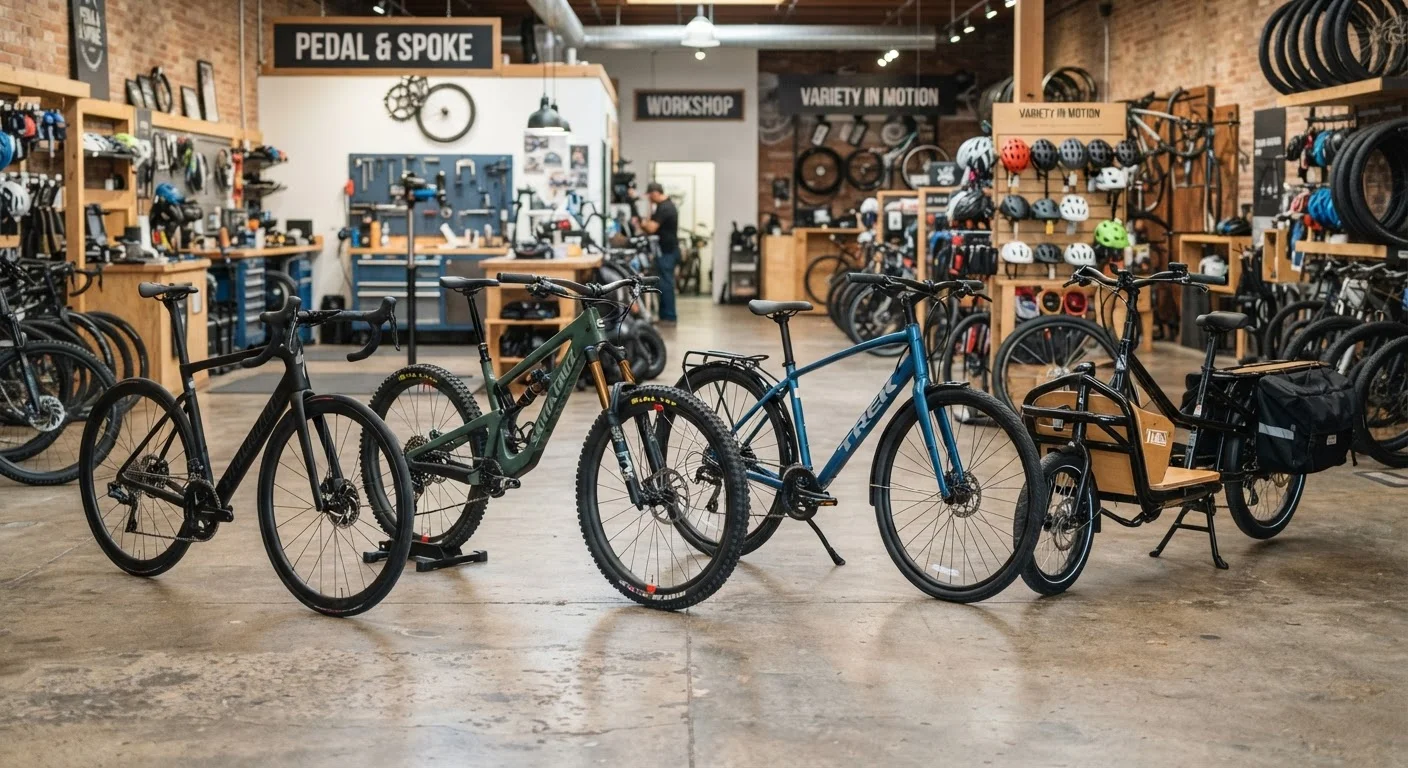
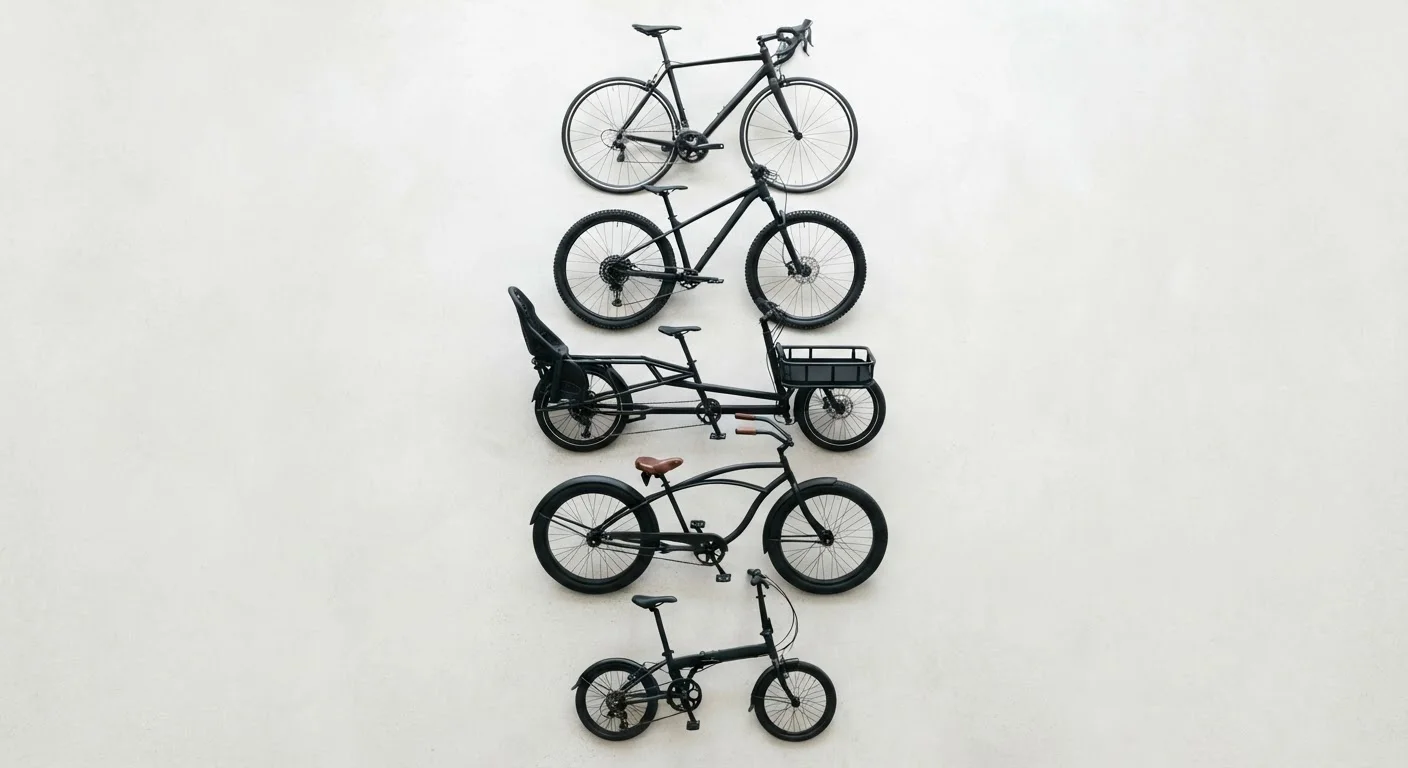
Walk into any bike shop or browse any cycling retailer and you'll face an immediate wall of choice: road bikes, mountain bikes, gravel bikes, hybrids, cruisers, cargo bikes, folding bikes - each with sub-variants layered on top. The categories aren't marketing invention. They reflect genuine engineering decisions made at the frame geometry stage, before a single component is bolted on.
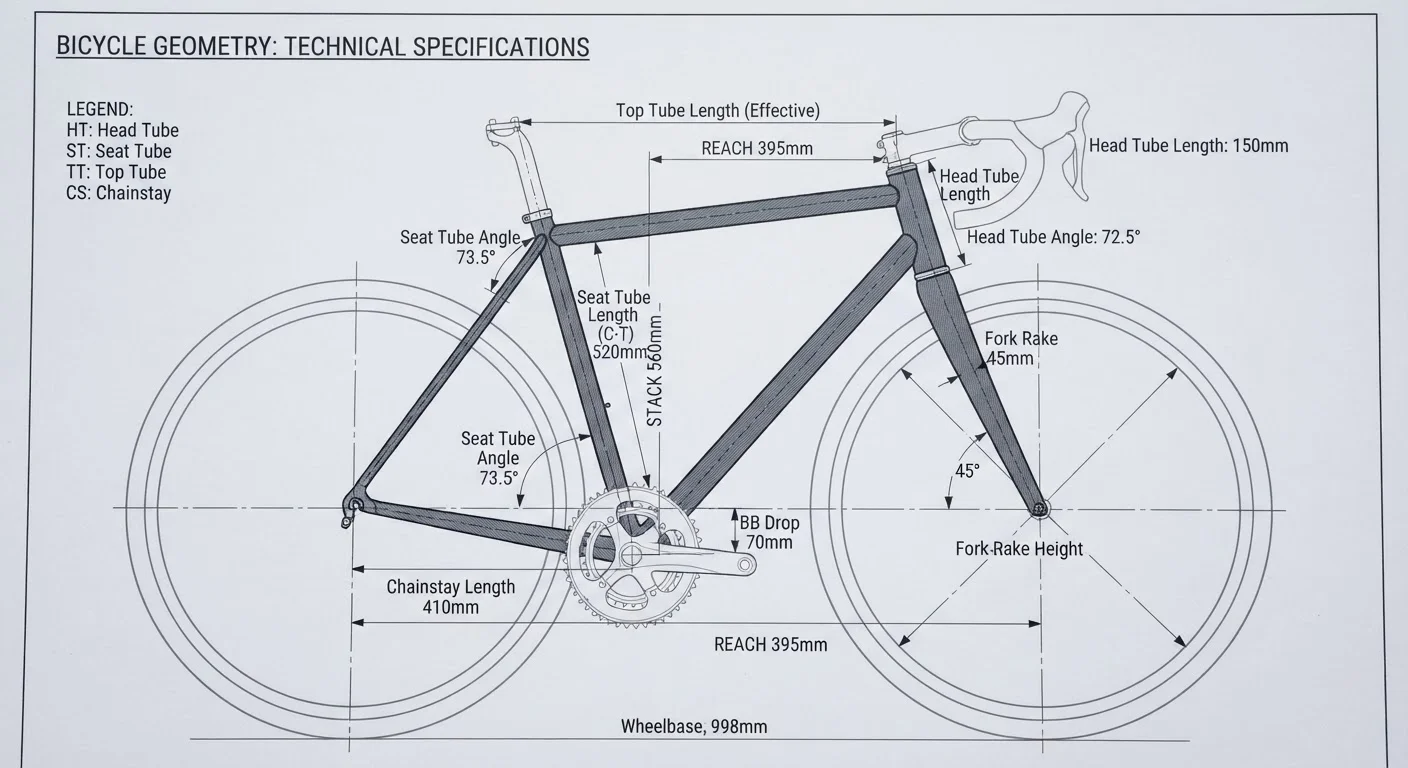
A bike's geometry - the angles of the head tube, the length of the chainstay, the height of the bottom bracket - determines its handling character, its stability at speed, its comfort over distance, and its capability on different surfaces. Because geometry is fixed once a frame is built, choosing the wrong category is a problem that components cannot solve. Understanding what each style is actually designed to do is the most efficient path to a satisfying purchase.
100M+
Bicycles sold annually worldwide
Industry estimates consistently place global annual bicycle sales above 100 million units across all categories.
~20
Distinct recognized bicycle style categories
Cycling industry classifications identify approximately 20 distinct style categories, from road racers to adaptive hand cycles.
Road and Performance Bikes
Road bikes are built around one priority: efficiency on paved surfaces. Drop handlebars position the rider forward and low to reduce aerodynamic drag. Narrow, high-pressure tires minimize rolling resistance. Lightweight frames - aluminum, carbon fiber, steel, or titanium - keep the power-to-weight ratio favorable. The trade-off is a less upright posture and tires too narrow for anything but smooth pavement.
Gravel bikes occupy the fastest-growing segment of the road category. They share drop bars with road bikes but use a more relaxed geometry, wider tire clearance (typically 38-50mm), and often feature mounts for bags and racks. The result is a bike that handles extended pavement rides while remaining capable on unpaved forest roads and compacted gravel paths.
Cyclocross bikes are purpose-built for a specific racing discipline - off-road circuits with obstacles requiring riders to dismount and carry their bike. They share many traits with gravel bikes but prioritize handling agility over all-day comfort.
Before evaluating any bike's components, sketch out the specific surfaces you'll ride 80% of the time - that single factor eliminates most irrelevant categories immediately.
Tire width, tread, and frame geometry are optimized for particular surfaces; choosing the wrong platform creates constant friction between rider intent and bike capability.
When in doubt between two adjacent categories, choose the one that handles your worst-case terrain - it will manage your easy days fine, but the reverse is rarely true.
A mountain bike ridden on pavement is slower but functional; a road bike ridden on gravel or roots is genuinely unsafe and mechanically stressed.
Mountain and Off-Road Bikes
Mountain bikes are engineered for terrain that would destroy any other category: loose rock, roots, steep descents, and technical climbs. The category divides into several sub-styles based on the severity of terrain targeted.
- Hardtail mountain bikes have front suspension only. They're lighter, more efficient on climbs, and well-suited for cross-country trails and moderate singletrack.
- Full-suspension mountain bikes add a rear shock for better traction and control on technical or high-speed descents. Trail, enduro, and downhill sub-categories increase travel (suspension range) as terrain severity increases.
- Fat bikes run extremely wide tires (3.8-5 inches) at very low pressure to float over sand, snow, and loose surfaces where any other tire would sink.
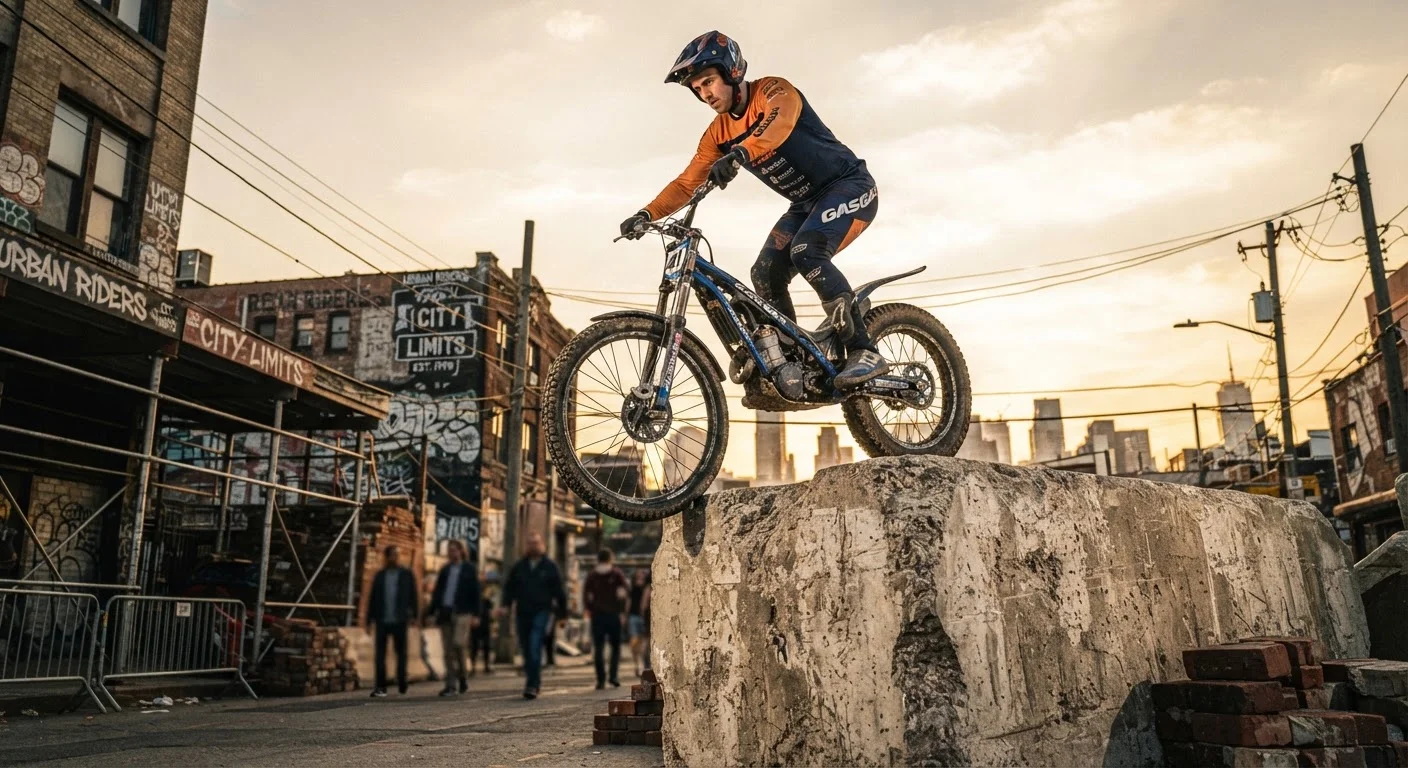
For specialty disciplines including BMX, dirt jumping, and trials riding, see our companion piece on BMX, Dirt Jump, and Trials Bikes.
Avoid Category Mismatch on Demanding Terrain
Using a road or city bike on technical trails, steep descents, or heavily loaded routes exceeds its design limits. Frame stress, brake fade, and tire failure risks all increase significantly outside a bike's intended use envelope. Always verify a bike's rated terrain and load capacity before riding in demanding conditions.
Hybrid, Commuter, and City Bikes
Hybrid and city bikes are the practical middle ground - designed around the realities of urban and suburban riding rather than performance optimization.
Hybrid bikes combine an upright seating position, medium-width tires (28-42mm), flat handlebars, and typically a wider gear range. They handle bike paths, city streets, and light gravel reasonably well without excelling at any one surface. For riders navigating genuinely varied terrain, see our framework for picking a bike style for mixed terrain.
City and commuter bikes often add practical features: integrated lighting mounts, fender eyelets, rear rack compatibility, and internal-gear hubs that require minimal maintenance. The geometry prioritizes visibility in traffic and comfort over distance rather than speed.
Folding bikes solve a specific logistical problem - storage in small apartments and compatibility with transit systems. Their compact wheel sizes (16-20 inches typically) and folding mechanisms involve engineering compromises in ride quality, but for multimodal commuters, no other category competes.
Try Before You Commit to a Category
Many local bike shops and cycling clubs offer demo rides or rental fleets spanning multiple categories. An hour on a gravel bike and an hour on a hybrid will reveal fit and feel differences that no spec sheet can communicate. Riding before deciding is especially important if you're new to a category.
Cargo, Cruiser, and Specialty Bikes
Cargo bikes are load-carrying platforms. Long-tail designs extend the rear rack to carry children or significant cargo weight. Front-loading cargo bikes (bakfiets style) use a box or platform ahead of the rider between the front wheel and handlebars. Both designs fundamentally change a bike's center of gravity and require specific handling techniques - understanding the components involved in cargo bike builds helps riders evaluate load ratings and frame materials accurately.
Cruiser bikes prioritize comfort and aesthetics on flat, low-speed terrain. Wide, padded saddles, swept-back handlebars, and balloon tires create a relaxed upright position ideal for boardwalks, campgrounds, and casual neighborhood rides. They are not suited to hills or distance.
Recumbent bikes and trikes position the rider in a reclined position with legs forward. The lower center of gravity and distributed body support reduce back and neck strain for riders with specific physical needs, though the riding position requires an adjustment period.
E-Bike Variants Follow the Same Categories
Electric-assist versions exist for almost every bicycle style described here - e-road, e-mountain, e-cargo, and e-hybrid all follow the same fundamental geometry and use-case logic as their unpowered counterparts. The motor and battery system adds range and reduced effort but does not change which terrain a given style is designed for.
Matching Category to Rider
The bicycle style spectrum is wide precisely because riders' needs vary so dramatically. A category that is wrong for one rider is perfect for another. The decision framework is straightforward: identify your primary riding surface, your typical distance and frequency, any load-carrying or storage requirements, and any physical comfort priorities. Those four factors, taken together, eliminate the majority of categories and leave a manageable shortlist.
Geometry Defines Function - Components Follow
Frame geometry - head tube angle, bottom bracket drop, chainstay length - is the primary determinant of how a bike handles. Components like drivetrains and brakes can be upgraded, but geometry is fixed. Choosing the wrong category and hoping to compensate with parts swaps is rarely effective and often expensive.
For those new to cycling entirely, the broader process of matching bike style to lifestyle involves additional questions around storage, budget structure, and future use. Our guide for first-time bike buyers walks through each of those questions in sequence. And for any bike in any category, understanding the components ecosystem helps you evaluate how well a given build matches your intended use before committing to a purchase.
“The bicycle is the most efficient machine ever created. Converting calories into gas, a bicycle gets the equivalent of three thousand miles per gallon.”
— Bill Nye, Science communicator and mechanical engineer
Bicycle Components from Frame to Finish
An end-to-end reference covering every major bicycle component, how they interact, and what to consider before making changes. Essential reading alongside any bike style comparison.
Picking a Bike Style for Mixed Terrain
A practical framework for narrowing down bike styles when your routes vary between pavement, gravel, and light trail - helps riders who don't fit neatly into one category.
BMX, Dirt Jump, and Trials Bikes
Covers niche bicycle styles that aren't interchangeable, explaining what distinguishes each discipline and what riding skill each style is genuinely engineered for.