Why Off-Season Storage Matters for Classic Cars
A classic car is more than transportation - it is a rolling artifact of automotive history. Unlike modern vehicles engineered with corrosion-resistant coatings and long-life fluids, many classics from the 1950s through the 1980s carry vulnerabilities that months of improper storage can quietly exploit. Rubber seals dry and crack, untreated fuel gums up carburetors, and unprotected steel surfaces attract moisture even inside a closed garage.
Before committing to any storage routine, it is worth reviewing the vehicle's mechanical baseline. Our guide to inspecting a classic car before you commit outlines the structural and mechanical conditions that should be addressed before, not after, a long winter layup.
The practices below reflect what experienced collectors and restorers recommend for preserving both the mechanical integrity and the historical character of a classic vehicle through an off-season.
Proven Storage Practices for Classic Car Owners
Each step in a thorough storage routine addresses a specific failure mode. Skipping even one can result in repairs far more costly and disruptive than the preparation itself.
Add fuel stabilizer and fill the tank before storage
Ethanol-blended modern fuel begins degrading within 30 days and can leave varnish deposits in carburetors, fuel lines, and injectors. A full tank minimizes condensation space, reducing the risk of moisture contamination. Fuel stabilizer extends usable fuel life through a typical storage season.
Change engine oil immediately before - not after - storage
Used engine oil contains combustion byproducts and acids that continue to attack bearing surfaces and cylinder walls during months of inactivity. Fresh oil provides a protective film and removes corrosive residue before the engine sits idle.
Connect a battery tender rated for the vehicle's battery type
A classic car battery left unattended over several months will self-discharge to a point where it sustains permanent capacity loss or sulfation damage. A quality battery tender - also called a trickle charger with float mode - maintains optimal charge without overcharging. See our overview of battery health checks and habits for broader guidance on battery care.
Use a breathable, fitted car cover - never a plastic tarp
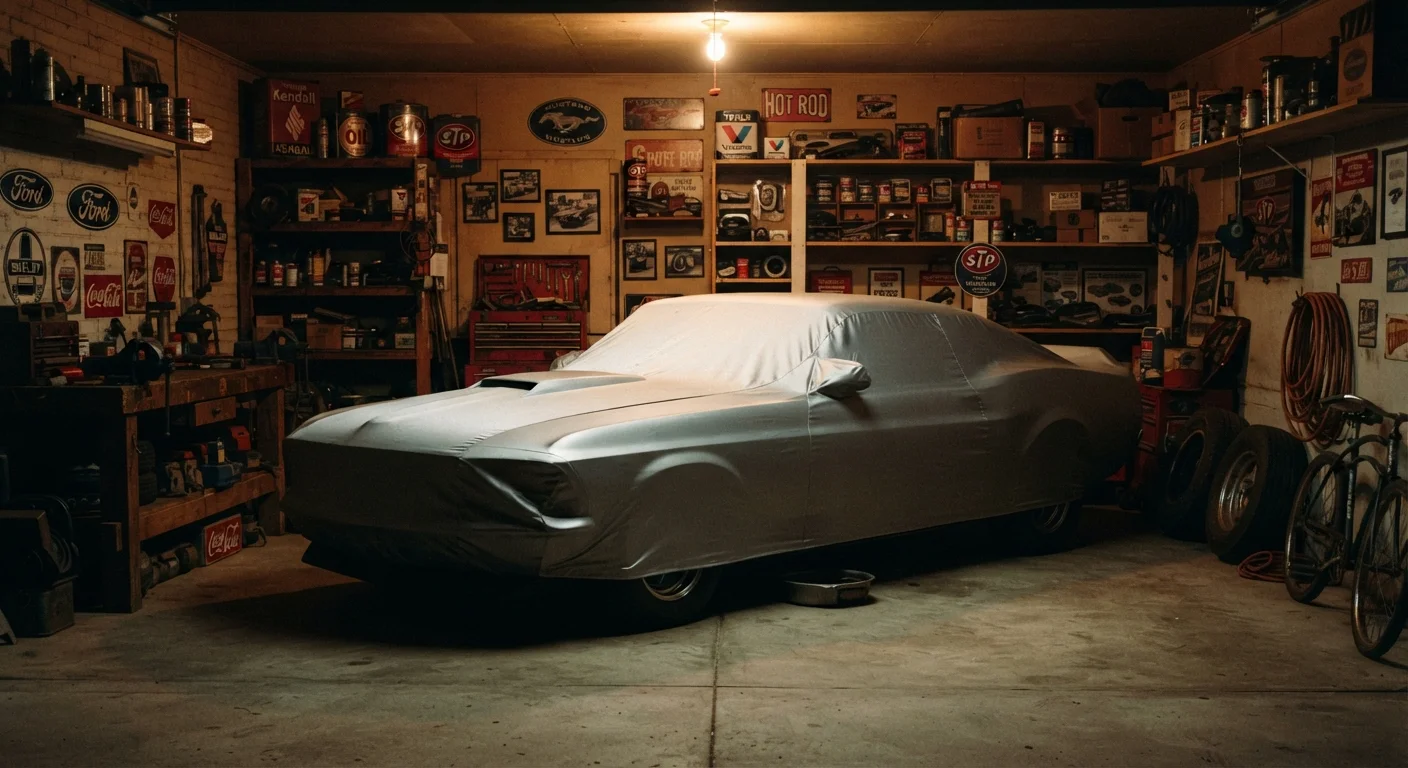
Non-breathable covers trap condensation against painted surfaces, creating the humid microclimate that causes rust and paint blistering. A breathable fabric cover allows moisture vapor to escape while protecting against dust, light, and accidental scratches.
Inflate tires to the upper end of the recommended range and use tire cradles if storing long-term
Stationary tires develop flat spots over months under load, particularly in cold temperatures where rubber hardens. Slightly higher inflation reduces deflection at the contact patch. Tire cradles or periodic movement of the vehicle further minimizes flat spotting risk.
Plug exhaust outlets and intake openings to prevent pest entry
Rodents seek warm, enclosed spaces and can cause significant wiring, upholstery, and insulation damage in a single season. Stuffing the exhaust pipe with steel wool or using foam plugs - with a visible reminder tag - blocks entry points without risk of forgetting them at startup.
Getting Started: Quick Wins Before the Weather Turns
Not every enthusiast has weeks to execute a complete storage protocol. These immediately actionable steps deliver meaningful protection even when time is limited.
For a comprehensive seasonal checklist that covers batteries, tires, fluids, and brakes across all vehicle types, see our pre-winter vehicle preparation walkthrough.
Log Everything You Do Before Storage
Keep a simple written record of every fluid change, product added, and condition noted before the car goes into storage. This log becomes a useful reference at spring startup and contributes to the vehicle's documented maintenance history - something appraisers and future owners value. Even a dated notebook entry is more useful than relying on memory across a four- to six-month gap.
Preserving What Makes a Classic Worth Storing
The effort invested in off-season storage is inseparable from the broader question of what gives a classic car its enduring value. Originality of finish, the integrity of mechanical components, and a documented history all contribute to a vehicle's standing. Damage incurred during a poorly managed storage period - surface rust, cracked interior trim, seized brake calipers - can compromise all three.
The debate over originality versus restoration is directly relevant here: preventive storage care is the one approach that keeps both options open. A car maintained in original condition through careful storage avoids the irreversible decisions that restoration requires.
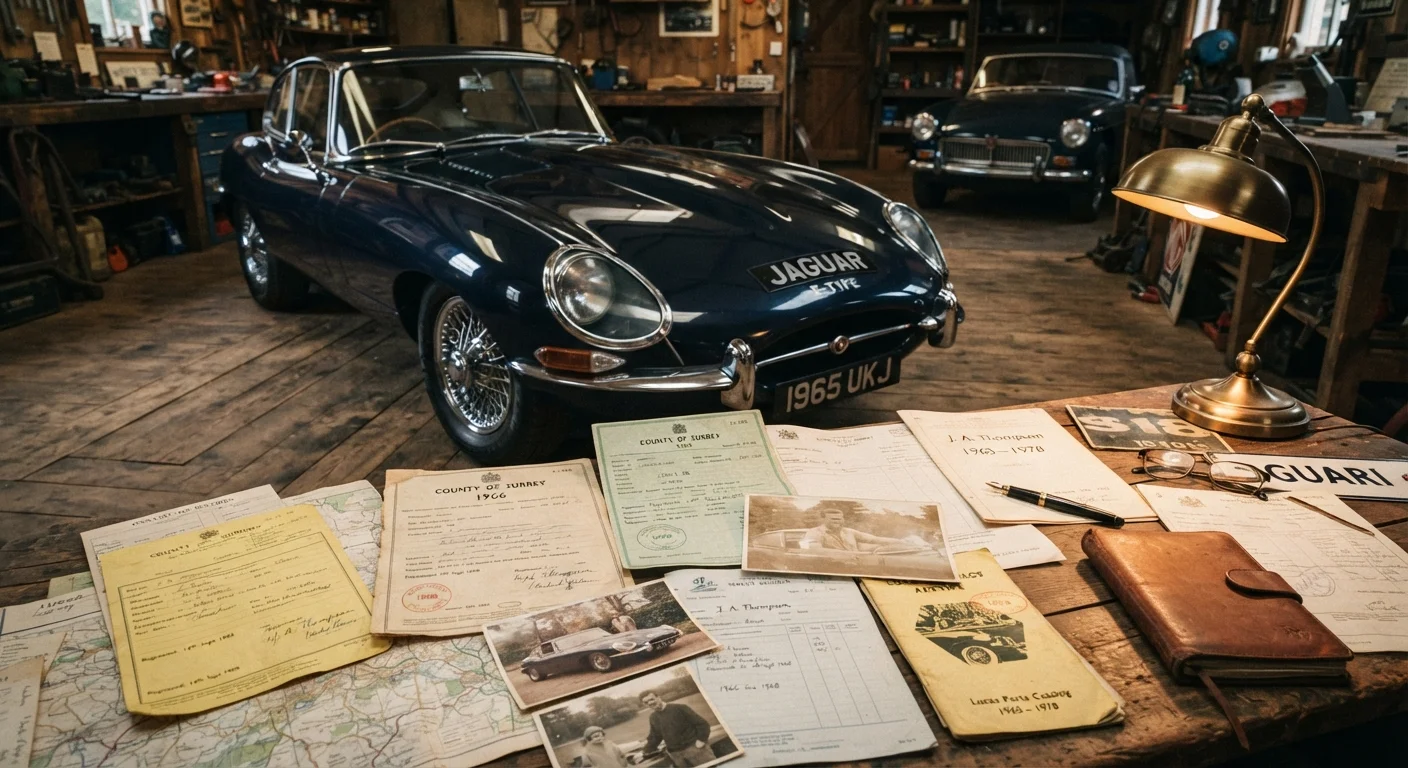
Equally, the car's paper trail matters. Storage logs, fluid change records, and inspection notes contribute to the provenance that collectors and appraisers value. Learn more about documenting a classic car's history and provenance to understand how maintenance records strengthen a vehicle's story.
30 days
How quickly untreated modern fuel begins degrading
Industry guidance from fuel system specialists consistently places the onset of ethanol-blend degradation within 30 days under normal storage conditions.
~40%
Battery capacity lost after deep discharge cycles
Lead-acid batteries allowed to deeply discharge one or more times during storage can lose a significant portion of total capacity, according to battery maintenance technical literature.