Why Winter Preparation Matters More Than a Seasonal Oil Change
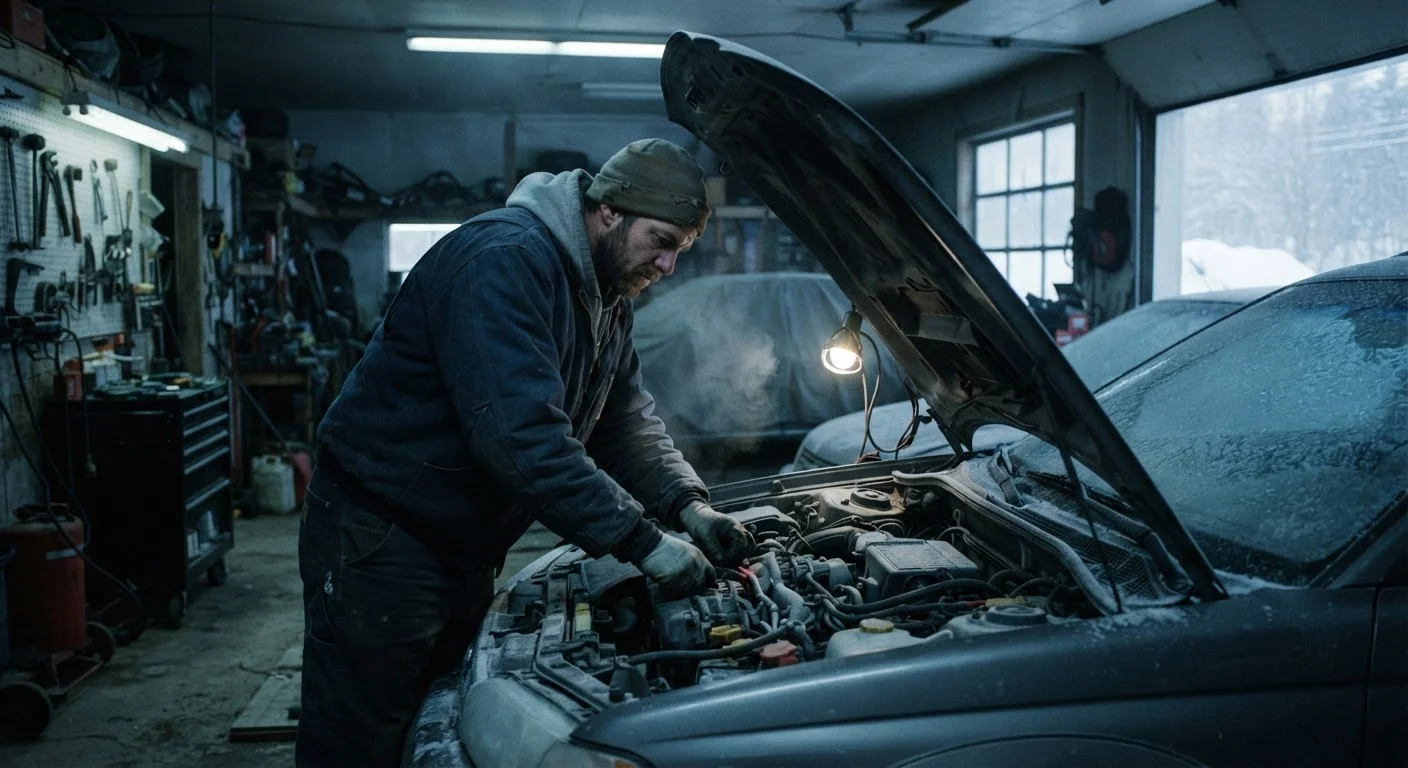
Winter doesn't just make driving uncomfortable - it simultaneously stresses nearly every major system on a vehicle. Cold temperatures reduce battery output, thicken engine oil, contract tyre air pressure, and make rubber components brittle. Moisture from road spray and temperature cycling accelerates corrosion. Unlike a single-system maintenance task, pre-winter preparation is a whole-vehicle audit.
This checklist is designed to be worked through methodically in your driveway or garage over one to two hours. It doesn't require advanced mechanical skills for most items, though several checks may reveal issues that warrant a visit to a qualified technician. Think of it as an early-warning system - catching a weak battery or marginal tread depth now is far less costly than dealing with a roadside breakdown in freezing conditions.
If you're also preparing a classic vehicle for storage rather than winter use, see our guide on storing and maintaining a classic car through the off-season for specific hibernation practices.
Battery load tester or multimeter
Measures battery voltage and cranking capacity to identify a weak battery before cold weather triggers a failure.
Tyre pressure gauge
Accurately checks tyre inflation, which drops predictably as temperatures fall.
Coolant test strips or refractometer
Determines whether your coolant mixture offers adequate freeze protection for your region's winter temperatures.
Tread depth gauge
Provides a precise measurement of remaining tyre tread rather than relying on visual estimates alone.
Flashlight or inspection light
Illuminates the engine bay, wheel wells, and undercarriage for a thorough visual inspection.
Wire brush and terminal protectant spray
Removes battery terminal corrosion and protects cleaned connections from re-oxidizing.
How to Use This Checklist
Work through each group in order - electrical first, then fluids, tyres, brakes, visibility, and ancillary systems. Start with a cold engine (not run in the last two hours) so you can safely handle cooling system components and get accurate tyre pressure readings. Use the tool cards above to gather your equipment before you begin.
Battery Failure Is the #1 Winter Breakdown Cause
A battery that passes a load test in summer may still fail once temperatures drop below freezing, because cold significantly reduces electrochemical output. If your battery is more than three to four years old, have it professionally load-tested even if it currently seems fine. Proactive replacement is far less disruptive than a no-start in a parking lot at 20°F (-7°C).
Mark each item as you go. Items labeled must are non-negotiable safety or reliability items. Items labeled should are strongly recommended for winter readiness. Nice-to-have items improve comfort and resilience but aren't immediate safety concerns.
For a deeper understanding of how your coolant circuit works and what freeze protection actually means chemically, the cooling system explainer covers the radiator, thermostat, and water pump in detail. For battery-specific guidance beyond the basic test, see battery health checks and habits.
Battery & Electrical
Coolant & Engine Fluids
Tyres & Traction
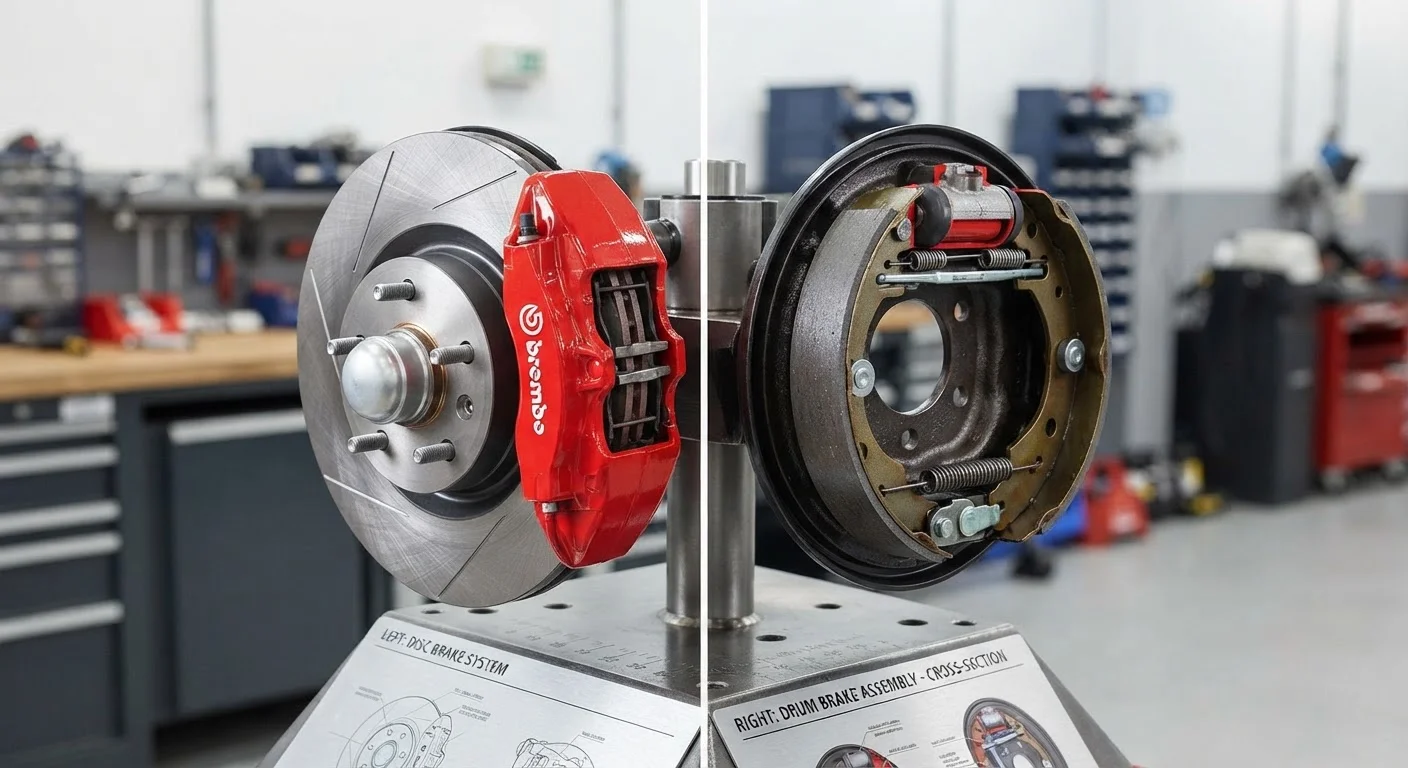
Brakes & Suspension
Visibility & Safety Equipment
Belts, Hoses & Ancillary Systems
After the Checklist: Acting on What You Find
A pre-winter inspection is only valuable if you follow through on what it reveals. Prioritize any item flagged as must before temperatures consistently drop below 40°F (4°C). Schedule brake and suspension work with a qualified mechanic if your visual inspection raises concerns - these systems are not suitable for guesswork.
Don't Skip Professional Brake Inspection
If you observe grinding, pulling to one side, or a spongy brake pedal during your check, stop driving the vehicle and have a qualified mechanic inspect the brake system before winter conditions arrive. Brake faults that are manageable in dry conditions can become dangerous on wet or icy roads. This checklist is a visual audit, not a substitute for hands-on mechanical diagnosis.
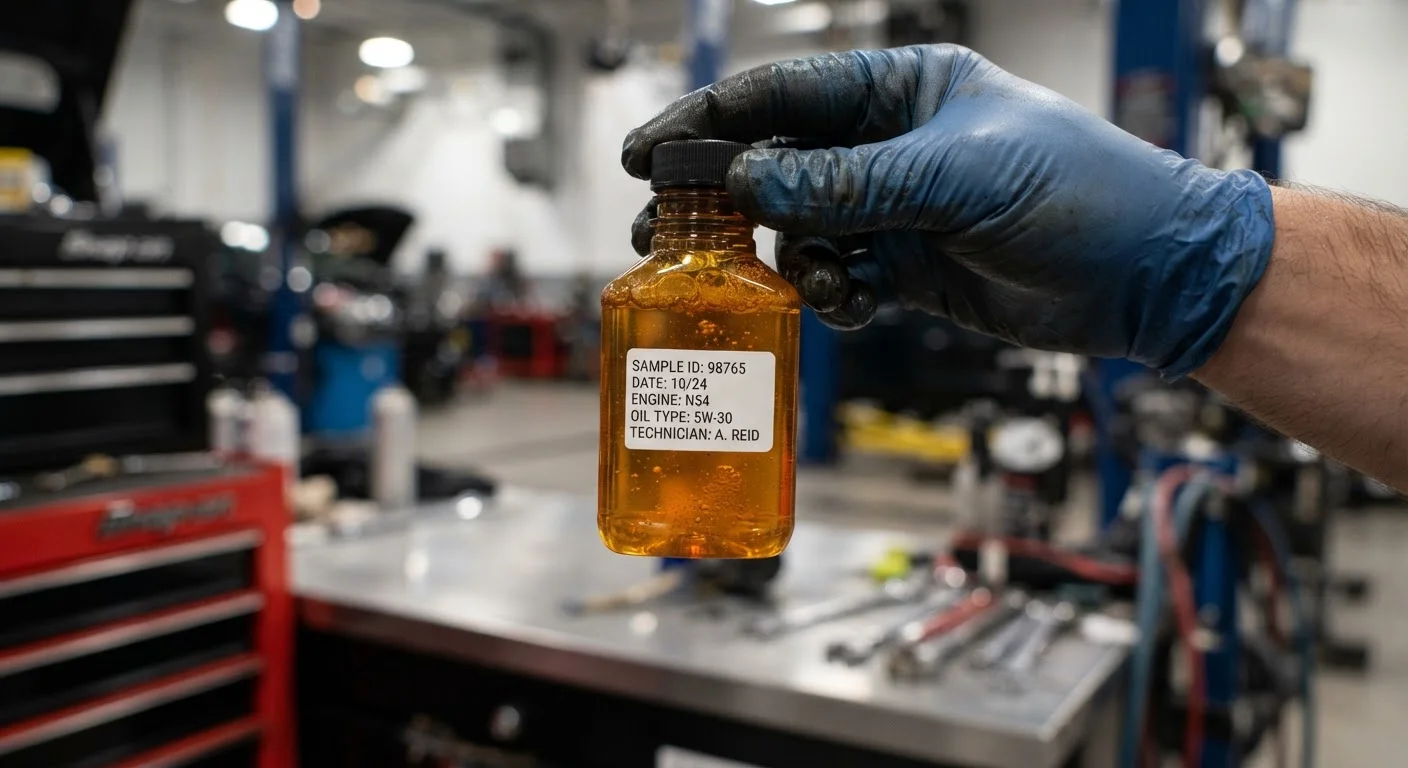
Cold-Start Engine Oil: Match Your Climate
Using an oil viscosity that is too heavy for cold temperatures can cause sluggish oil circulation during cold starts, increasing wear on engine bearings and valve train components. Always consult your owner's manual before switching viscosity grades, as some modern engines are engineered for a specific oil specification.
If you drive a truck and plan to tow through the winter months, the additional load on your brakes, transmission, and tyres makes preparation even more critical. Our pre-trip towing checklist covers weight ratings, hitch hardware, and load distribution before every haul. Similarly, the safety gear hub is a useful reference for updating your in-vehicle emergency equipment.
Document what you inspected, what you replaced, and what needs follow-up. A simple note in your phone or glovebox creates a record that helps you track component age and service intervals going forward - and gives any mechanic useful context if a problem develops mid-winter.