What Classic Car Shows Actually Celebrate
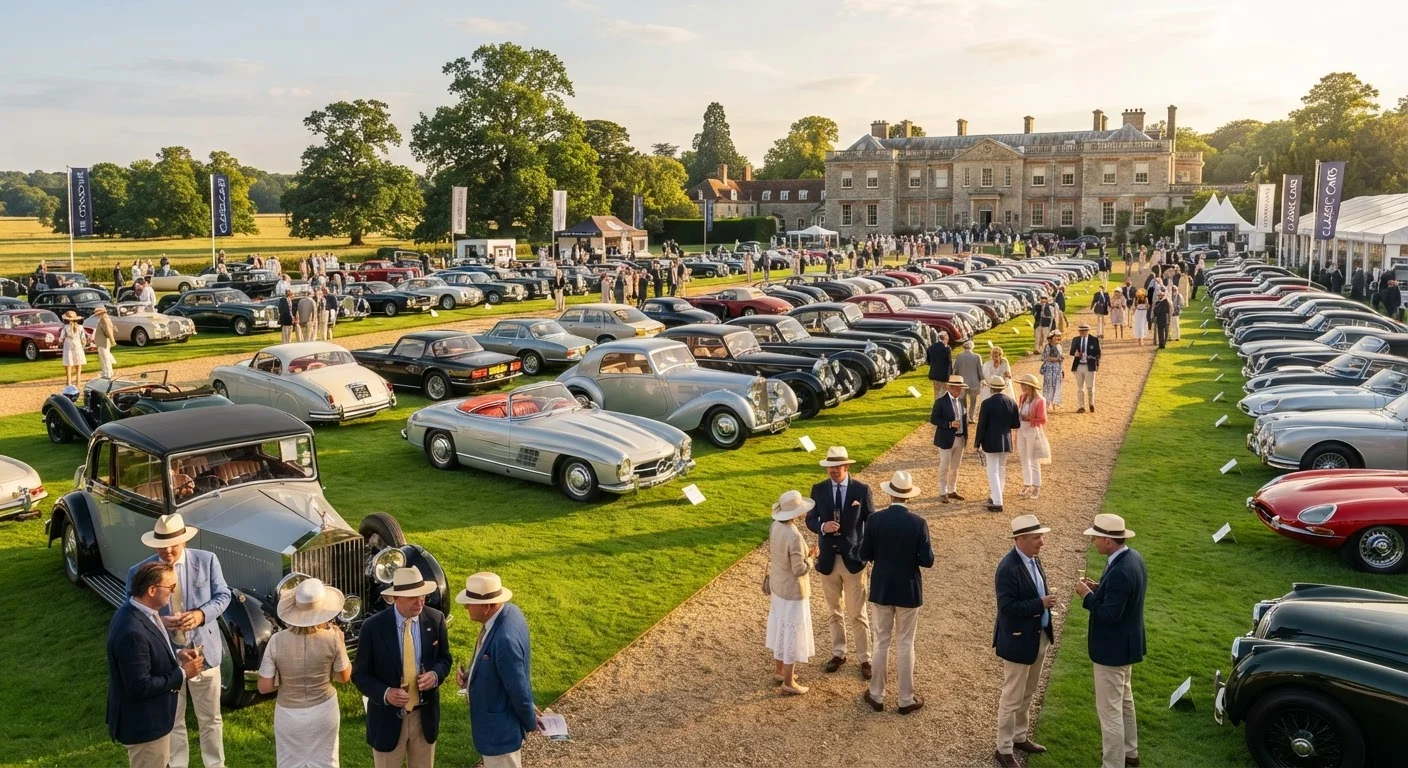
Classic car shows are gatherings where automotive history moves off the page and into three dimensions. They celebrate the engineering ambition, design artistry, and cultural memory embedded in vehicles that have outlasted their era. Whether a weekend club meet in a local park or a multi-day international concours on a coastal estate, every event is fundamentally about shared appreciation for machines that meant something beyond transportation.
For newcomers, the introduction to the classic car world offers essential grounding in the terminology and culture before attending a competitive event. Understanding what a show values - originality, restoration quality, historical rarity, or simply community enthusiasm - determines how you engage with it, whether as a spectator, exhibitor, or judge.
Start With Local Shows Before Competing
If you're new to the show circuit, attend several local and regional events as a spectator before entering your vehicle. Observing how judging unfolds, what presentation details attract attention, and how exhibitors interact with judges provides practical knowledge no guide can fully substitute.
The Spectrum of Events: Club Shows to Concours d'Elegance
The classic car show landscape spans an enormous range. At one end sit informal Cars and Coffee meets and local club gatherings - relaxed, unscored, and openly welcoming. These events prioritize community over competition and are an ideal starting point for anyone exploring the hobby. The unspoken rules of Cars and Coffee are worth understanding before you attend.
Midway along the spectrum are regional concours and sanctioned club shows, where vehicles compete within classes - often defined by decade, marque, or body style. Point scoring, judging panels, and class trophies are standard features. These events are where serious restorers begin testing their work against a field.
At the pinnacle sit Concours d'Elegance events - the formal, lawn-judged competitions modeled on early 20th-century French carriage displays. Events such as Pebble Beach Concours d'Elegance (Monterey, California) represent the highest tier of competitive showing, where vehicles are evaluated against exacting standards of authenticity and presentation. For a deeper look at how these two traditions differ philosophically, the comparison of concours and car show formats is essential reading.
200+
Vehicles typically displayed at major concours events
Large-scale events such as Pebble Beach routinely feature over 200 vehicles across dozens of competitive classes spanning multiple automotive eras.
100 pts
Maximum judging score at most AACA-sanctioned shows
The Antique Automobile Club of America uses a 100-point judging scale across multiple vehicle categories, with deductions logged against specific criteria.
How Judging Works at Competitive Events
Judging at sanctioned shows follows structured criteria, though scoring systems vary by organization. Most competitive events evaluate vehicles across categories including body and paint, engine compartment, interior, chassis and undercarriage, and authenticity. Points are deducted for non-original components, incorrect finishes, anachronistic modifications, and presentation flaws.
Authenticity is the dominant currency at formal concours events. Judges examine whether components, fasteners, wiring, and finishes match factory specification for the model year - not simply whether the car looks correct at a distance. Provenance documentation - build sheets, window stickers, dealer records, and ownership history - can meaningfully influence evaluation at the highest levels.
For exhibitors planning to compete at a formal concours, the standards judges actually apply covers the granular criteria evaluators use beyond surface appearance.
Request the official judging sheet for any event before you show - most sanctioned organizations publish them. Walking your vehicle against those exact criteria before the event reveals deduction risks you might otherwise miss entirely.
Judges score against fixed rubrics, not general impressions. Knowing the exact point allocations lets exhibitors prioritize preparation effort where it will have the most competitive impact.
Photograph every stage of your restoration with date-stamped images. Even if formal judging doesn't require it, a visual provenance record is invaluable when discussing your car with judges, fellow exhibitors, or future buyers.
Documentation elevates a vehicle's story and supports authenticity claims in ways that physical inspection alone cannot confirm, particularly for components hidden from view during judging.
Vehicle classification also affects competitive strategy. How a car is officially categorized - antique, vintage, classic, or historic - determines which class it enters and who its competition will be. The breakdown of classic car classification systems clarifies these distinctions precisely.
What Makes a Car Earn Timeless Classic Status
Not every old car is a classic, and the distinction matters at shows. True classics tend to share a combination of qualities: design significance (they advanced or defined the aesthetics of their era), engineering influence (they introduced technology or performance benchmarks that shaped what followed), and cultural resonance (they embedded themselves in popular imagination in ways subsequent generations still recognize).
Originality Outweighs Cosmetic Perfection
At serious concours events, a vehicle with documented original components in imperfect condition will typically outscore a beautifully finished car rebuilt with non-original parts. Authenticity - supported by documentation - is the foundational judging principle at the top tier of competitive showing. Restorers who prioritize cosmetic results over period-correct accuracy may find their scores do not reflect the quality of their work.
The decades between the 1920s and 1970s produced most of what the show world considers canonical classics - from coachbuilt prewar luxury automobiles to the muscle cars and European sports cars that defined postwar motoring culture. The decades that defined classic car design traces how each period contributed distinct visual and mechanical signatures.
Rarity intensifies classic status but does not create it alone. A car produced in small numbers that was unremarkable in its time rarely commands the same recognition as a high-volume model that genuinely shaped driving culture.
Preparing and Attending as an Enthusiast
Whether you're showing or spectating, preparation improves the experience considerably. Exhibitors should research the specific show's classification rules and judging criteria well in advance - many sanctioned events publish official judging guides. Documentation supporting a vehicle's history is worth gathering regardless of whether it's formally required; judges and fellow enthusiasts alike appreciate provenance.
Spectators gain more from shows when they arrive with context. Studying the featured marques or themes announced ahead of the event, and understanding basic car culture traditions and history, transforms a walk among parked cars into a genuinely educational experience.
Joining a car club remains the most effective way to build the knowledge, connections, and access that make classic car shows rewarding long-term. Clubs often organize group attendance, share judging feedback, and provide mentorship for first-time competitors - advantages that no amount of independent research fully replicates.
Event Rules Vary Significantly by Organization
Classification systems, judging criteria, and eligibility requirements differ between sanctioning bodies such as the Classic Car Club of America (CCCA), Antique Automobile Club of America (AACA), and individual concours organizations. What qualifies a vehicle for one show's class may disqualify it from another. Always verify the specific event's rules directly with organizers before registering.
This article provides general educational information about classic car show formats and culture. Event rules, judging criteria, and classification standards vary by organization and are subject to change - always consult the specific event's official guidelines before competing.