What Is a Motorsport Heritage Event?
A motorsport heritage event - also called a historic race meeting or vintage motorsport event - is a gathering centered on racing cars, motorcycles, or other competition vehicles from earlier eras. Unlike modern racing, the emphasis is on historical authenticity: cars run in period-correct specification, and the atmosphere leans toward celebration of automotive history rather than purely championship points.
Events range from intimate single-day club meetings at regional circuits to large multi-day festivals attracting thousands of spectators and hundreds of entries spanning decades of motorsport history. If you're new to the broader classic car world, the Complete Introduction for New Enthusiasts is a useful primer on eras, terminology, and culture before attending your first event.
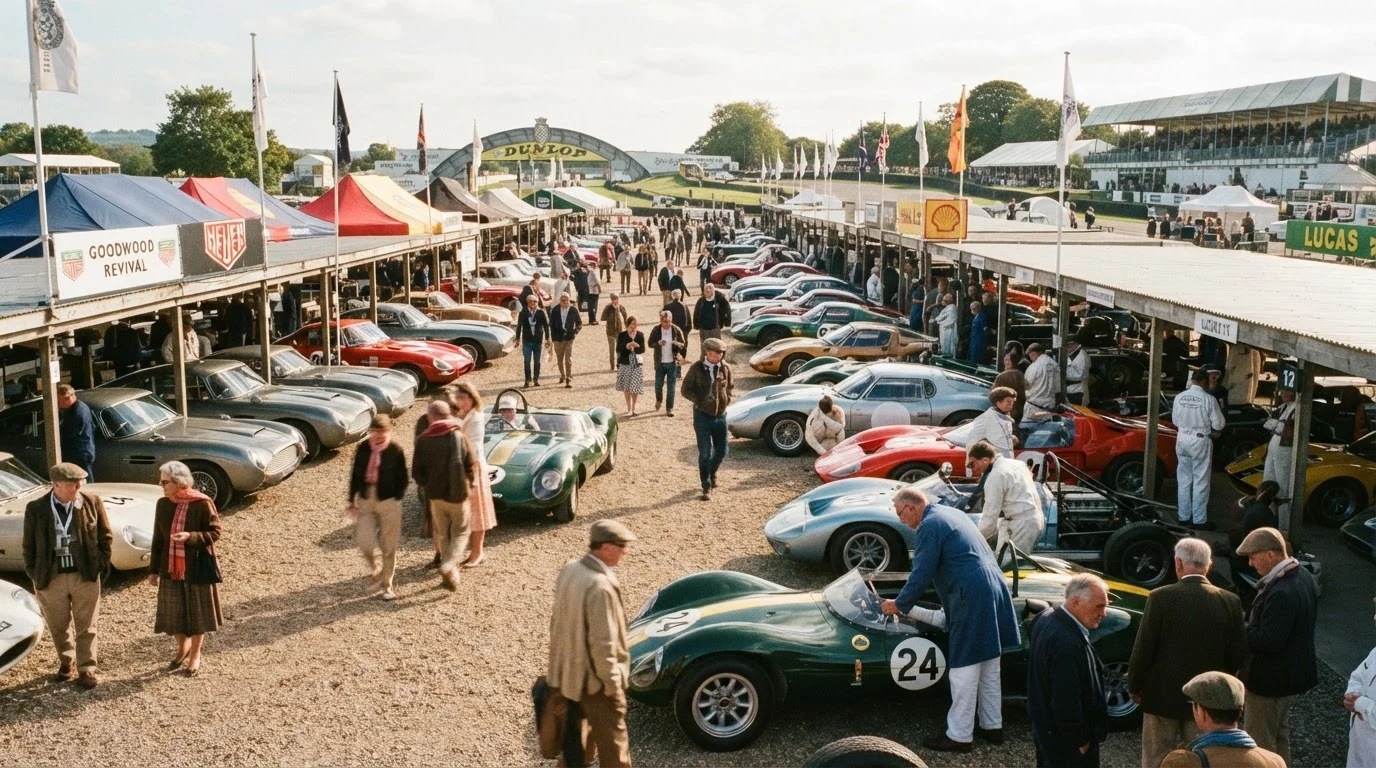
Paddock
The enclosed area behind the pit lane where cars are stored, prepared, and maintained during an event. At heritage meetings, paddock access for spectators is common and encouraged.
Race Group
A category of cars grouped by era, type, or technical specification for racing purposes. Heritage events typically run several distinct groups across the day.
Concours d'Élégance
A static judged competition in which cars are evaluated on originality, condition, and presentation rather than performance on track.
Period-Correct
A term describing a car, part, or detail that matches what would have been used during the vehicle's original competitive era. Authenticity to that period is a core value at heritage events.
Provenance
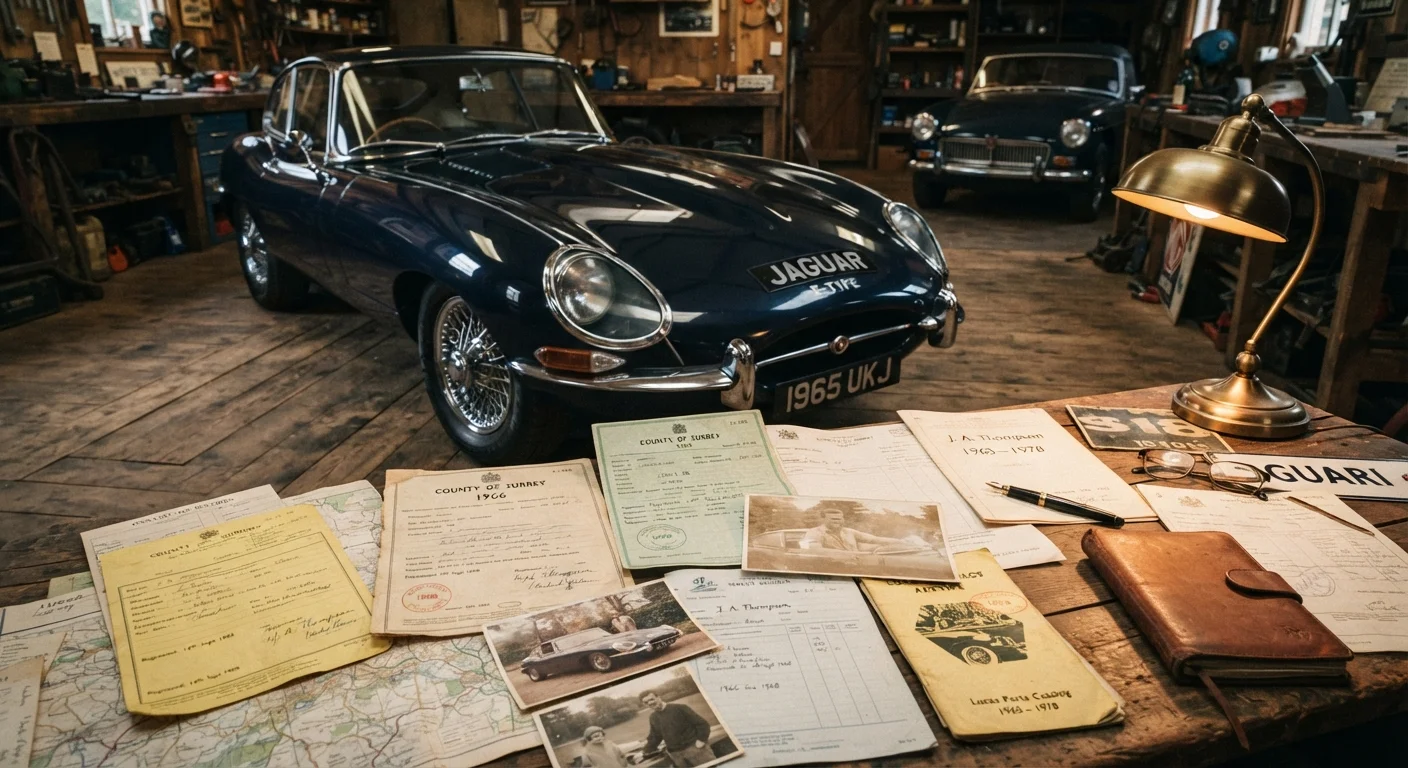
The documented history of a vehicle - its ownership record, competition history, and any significant events in its past. Strong provenance increases both historical significance and value.
What to Expect on the Day
Arrive expecting sensory richness: the smell of racing fuel and hot oil, the mechanical bark of unsilenced engines, and the visual sweep of machinery spanning pre-war sports cars to Group C prototypes. Most events run timed qualifying sessions in the morning followed by races in the afternoon, interspersed with parade laps and concours judging if applicable.
The program booklet - typically sold at the gate - is your essential guide. It lists every car by race group, notes the period each class represents, and outlines the day's schedule. First-timers often underestimate how much ground there is to cover; large events like the Goodwood Revival or the Monterey Motorsports Reunion span multiple paddock areas and viewing zones.
Event Scale Varies Widely
A regional club historic meeting may draw 80 cars and a few hundred spectators, while a flagship festival can host 500 entries and tens of thousands of visitors over a weekend. Both offer genuine value - smaller events often allow more intimate access to cars and owners, while larger festivals present a broader sweep of history and more support infrastructure for first-timers.
How to Prepare Before You Go
Preparation is straightforward but meaningful. Wear closed-toe shoes - paddock floors are uneven and frequently stained with fluids. Bring foam earplugs or rated hearing protection, particularly if you plan time near the pit lane or start line. Sunscreen, a hat, and layers for temperature changes round out the basics.
Download the event app or print the schedule in advance; cell service at circuits is often congested. Research the race groups featured: knowing the difference between a 1960s Formula Junior and a 1980s Group 5 car means you'll absorb far more from the commentator and from conversations with owners. The Unwritten Rules of Cars and Coffee touches on the social norms present across many enthusiast gatherings - much of that etiquette carries over to heritage events.
Arrive Early for Paddock Time
The best paddock access typically happens in the morning before qualifying begins. Crews are more relaxed, cars are stationary, and the light is often better for photography. Arriving at gate open rather than mid-morning makes a significant difference to the depth of your experience.
Navigating the Paddock and Pit Lane
Paddock access is one of the defining features of heritage motorsport events - and a privilege worth treating carefully. Unlike modern professional racing, most historic meetings allow spectators to walk freely among the cars, speak with drivers and crew, and observe preparation up close. This openness is a cornerstone of the culture, not a given.
Observe a few firm principles: don't touch a car without explicit invitation, give working crews space, and follow any posted safety zones. During active sessions, stay well clear of moving vehicles in the paddock lane. If a car is on jack stands, don't crowd it. These courtesies protect both the vehicles and the welcoming atmosphere that makes heritage events special.
First-time buyers considering vehicles seen at these events should be cautious - the common rookie errors in classic car buying are worth reviewing before any purchasing decision follows a weekend of inspiration.
Making the Most of the Experience
Heritage motorsport rewards curiosity. Talk to owners when they're not busy - most are passionate about their car's history and happy to explain its provenance, period campaigns, and technical details. Attending a talk or seminar if the event offers them is equally worthwhile; many festivals include panel discussions with drivers, historians, and restorers.
Build in time to simply watch racing from multiple vantage points. The visual and auditory experience from a banked corner differs entirely from the start-finish straight. Take notes or photographs to help you remember specific cars and look them up afterward. If performance vehicles have sparked your interest more broadly, understanding performance fundamentals will help channel that enthusiasm productively. Your first heritage event is rarely your last - most attendees leave with a longer list of questions than answers, and that curiosity is exactly what the community runs on.
Vintage Motorsport Magazine
A long-running publication dedicated to historic racing, covering events, car histories, and driver profiles across all eras of competition motorsport.
Historic Motorsport International
An event and enthusiast network that publishes event calendars, entry lists, and guides specifically for those new to the historic racing scene.