What a Barn Find Actually Represents
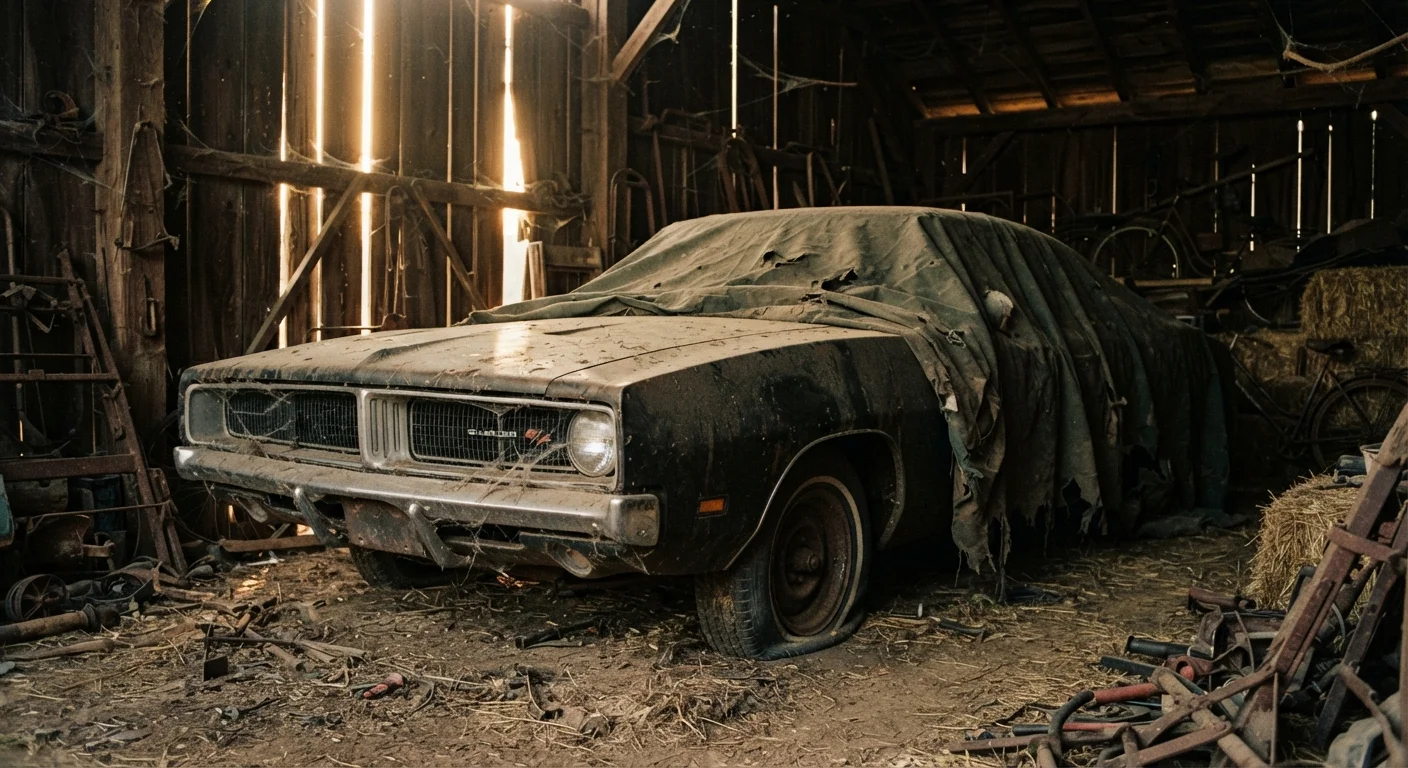
Strip away the romanticism and a barn find is, at its core, a vehicle that survived neglect. What makes that survival remarkable is context: while the automotive world marched forward - models were replaced, technologies evolved, and countless cars were crushed or cannibalized for parts - these vehicles simply stopped. Tucked away in a family barn, a farmstead outbuilding, or a forgotten corner of a rural garage, they were insulated from the attrition that claimed their contemporaries.
For enthusiasts, that accidental preservation carries real significance. A vehicle untouched for forty years may retain its original paint, drivetrain stampings, factory trim, and documentation in a way no restored example can replicate. As explored in our guide to numbers matching and collector values, authenticity of original components is a defining measure of a car's standing in collector culture. Barn finds often deliver exactly that - not because of careful curation, but because of benign neglect.
~40%
Classic vehicles lost to scrapping each decade
Industry observers and marque registries estimate that attrition through scrapping, accidents, and neglect eliminates a significant share of remaining classic vehicles in each generation, underscoring why survivors matter.
1 in 3
Enthusiasts who cite 'discovery' as primary draw
Surveys within collector communities consistently find that the hunt and discovery aspect - not just ownership - ranks among the top motivations driving barn find interest.
Decades
Typical storage period for significant finds
Many of the most historically significant barn finds have been in storage for 30 to 50 years, long enough that the vehicles predate entire generations of enthusiasts discovering them for the first time.
The Cultural Pull of Discovery
Barn find culture isn't purely transactional. It taps into something older - the tradition of the hunt, the satisfaction of uncovering what others overlooked. Enthusiasts who spend weekends cold-calling rural estate leads or driving backroads aren't simply bargain hunting; they're participating in a living tradition of automotive archaeology.
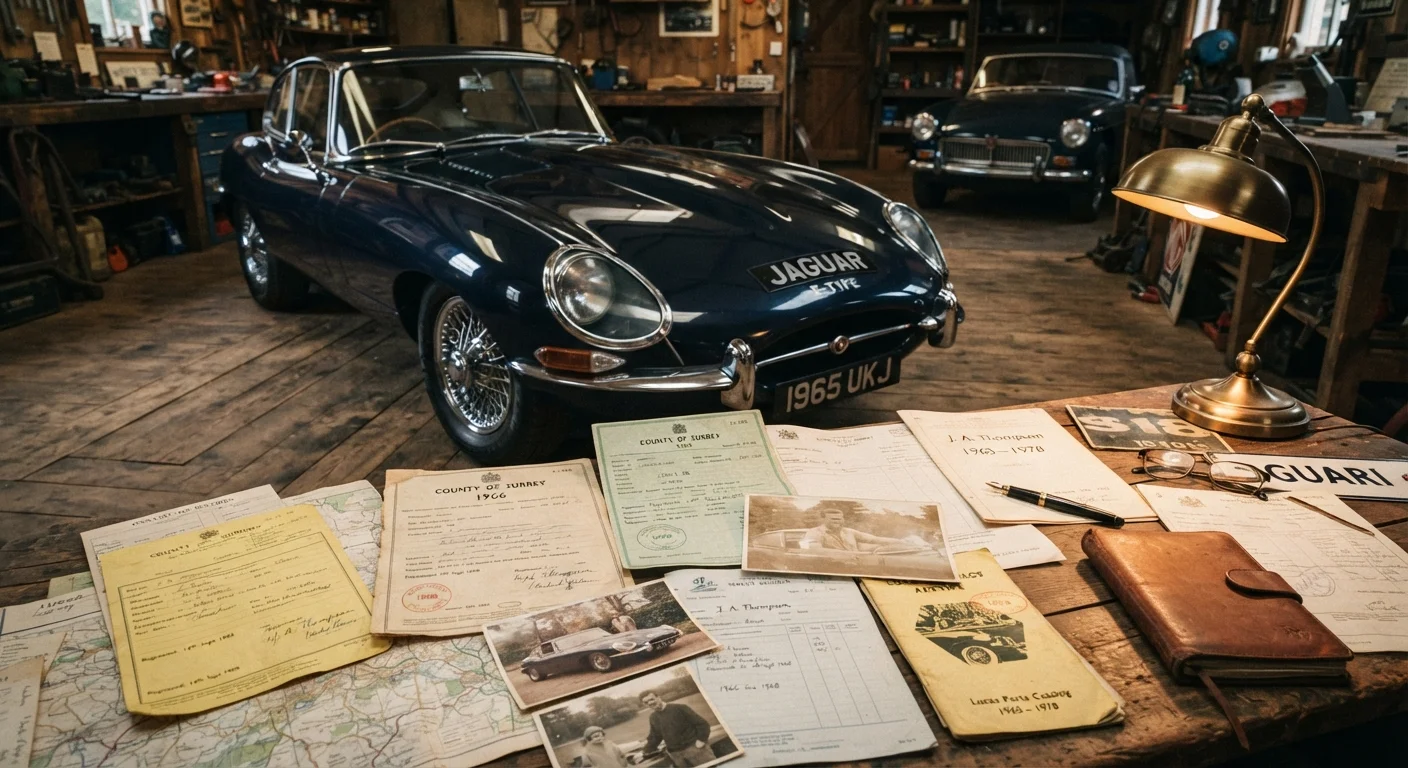
There's also a storytelling dimension. Every barn find arrives with fragments of history: a faded registration sticker, a repair receipt tucked in the glovebox, a name inked inside a door jamb. These artifacts connect the vehicle to real people and real moments, transforming an object into a narrative. That's a quality no showroom-fresh restoration can manufacture.
“The real value of an undisturbed survivor is not what it's worth at auction - it's what it tells us about how these cars actually left the factory, before anyone tried to improve them.”
— Automotive Heritage Preservation Specialist, Contributor to multiple marque registry documentation projects
If you're new to this world, our complete introduction to classic car collecting offers essential context on terminology, collecting eras, and what to expect as you explore the hobby.
The Practical Reality Behind the Romance
The barn find fantasy - a pristine muscle car emerging from decades of dust, instantly driveable and worth a fortune - rarely matches reality. Vehicles stored without climate control, proper drainage, or rodent prevention accumulate serious problems. Fuel systems deteriorate, rubber seals fail, brake components seize, and electrical wiring becomes compromised. Structural rust, particularly in floor pans and frame rails, can render an otherwise complete vehicle uneconomical to restore.
Before You Pursue a Barn Find
Always verify clear title and ownership documentation before negotiating - vehicles with clouded ownership histories can create significant legal complications. Have a qualified mechanic or marque specialist conduct a thorough inspection, paying particular attention to structural rust, frame integrity, and drivetrain completeness. Factor restoration or stabilization costs into your total picture, not just the acquisition price.
The gap between discovery value and total acquisition-plus-restoration cost is a well-documented trap for new collectors. Our article on the realities of classic car ownership addresses this honestly - the passion is real, but so is the complexity. And for a sharper look at assumptions that can mislead, classic car myths that mislead new collectors is essential reading before committing to any project.
Why Barn Finds Matter to Automotive Heritage
Beyond individual collector value, barn finds serve a broader preservation function. Many low-production variants, factory experimental options, and historically significant vehicles survived precisely because they were put away and forgotten. Had they remained in active circulation, attrition through accidents, modifications, and eventual scrapping would likely have claimed them.
Museums, marque registries, and automotive historians actively track significant discoveries because these vehicles fill genuine gaps in the documented record. A survivor-condition example of a rare factory option package can inform understanding of how a manufacturer's production process actually worked - details that restored cars, by definition, can no longer reliably provide.
The debate between preservation and restoration plays out acutely with barn finds. Many in the enthusiast community argue that sympathetic preservation - stabilizing without altering - honors the vehicle's documented history in a way full restoration cannot. It's a nuanced conversation, and one that barn finds keep alive in every corner of the collector world.