What Each Product Actually Does
Before comparing these two categories side by side, it helps to understand what each one is designed to accomplish - because they solve related but distinct problems.
Portable neck pillows - typically U-shaped or wrap-around - cradle the neck from below and on both sides. They are positioned by the user around the neck and rest against whatever surface is behind the head. They require no mounting hardware and move with you between seats or vehicles.
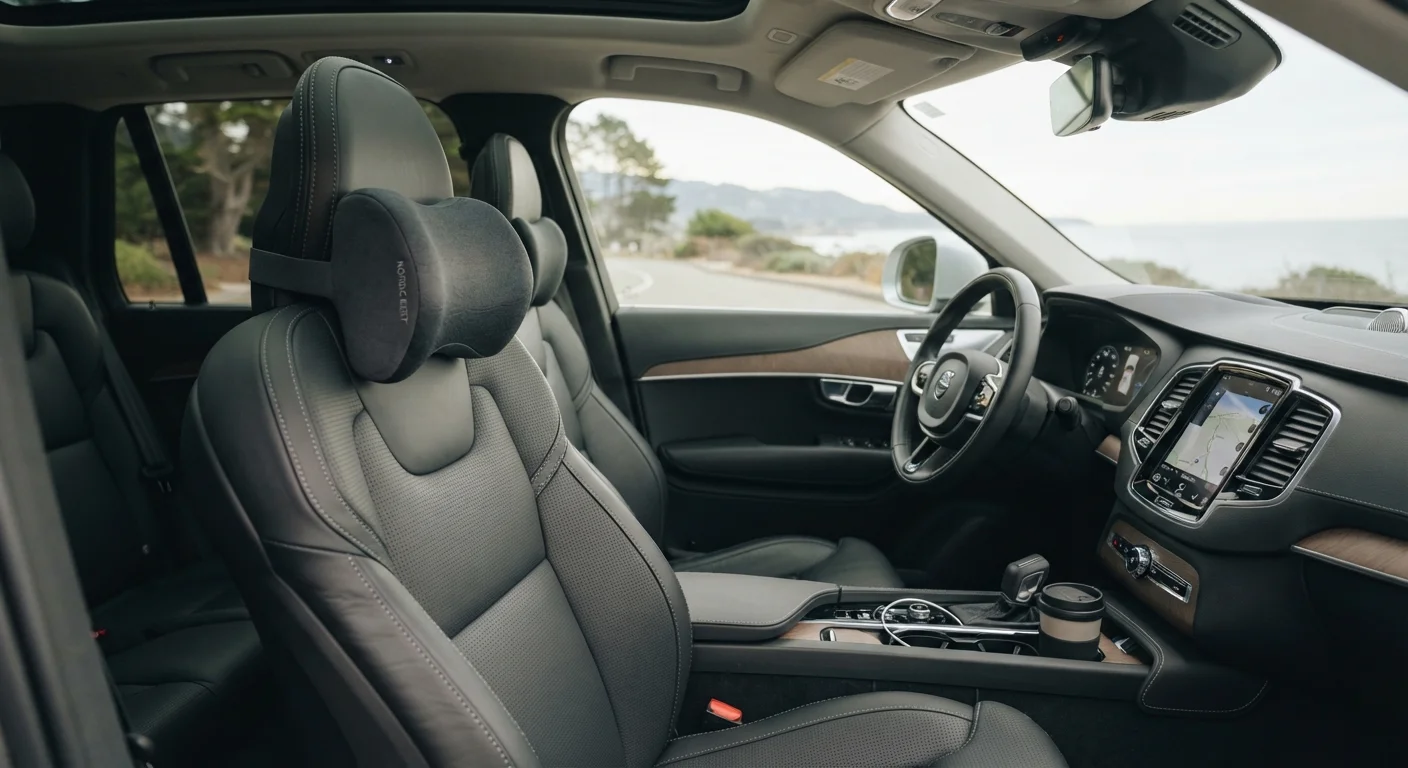
Headrest cushion attachments are designed to fasten directly to a vehicle's existing headrest, usually via straps, hooks, or a saddle-style mount. They add a contoured foam or gel surface at head level, often with lateral wings to keep the head from lolling sideways. Because they mount to the seat itself, they stay in a fixed position relative to the driver or passenger, whether or not the occupant is actively using them.
The core distinction is where the support is anchored: to the occupant's body (portable pillow) or to the seat structure (headrest attachment). That single difference cascades into meaningful tradeoffs around stability, fit, packability, and use case.
Comparing the Two Approaches
The table below lays out how portable neck pillows and headrest cushion attachments differ across the criteria that matter most on a road trip.
| Portable Neck Pillow | Headrest Cushion Attachment | |
|---|---|---|
| Mounting method | None - worn around neck | Straps or hooks on headrest post |
| Positional stability | Shifts with occupant movement | Fixed to seat, consistent position |
| Best suited for | Passengers, multi-vehicle use | Drivers, single-vehicle long hauls |
| Packability | High - compressible or collapsible | Low - stays on the seat |
| Seat compatibility | Universal | Depends on headrest post design |
| Typical fill materials | Microbead, memory foam, inflatable | Memory foam, gel-infused foam |
| Lateral head support | Moderate - depends on wrap shape | Higher - winged designs common |
| Heat retention risk | Moderate (foam types) | Moderate to high (thicker foam) |
One factor the table can't fully capture is seat geometry compatibility. Many modern vehicles - especially SUVs and trucks - have integrated headrests that cannot accept strap-based attachments without modification. If you drive an SUV or crossover, check whether the headrest post is adjustable and exposed before assuming an attachment will fit. Similarly, RV cabin layouts vary widely; captain's chairs often accept standard attachments, but bench or dinette seating may not.
Material and Fill: What It Means for Support
Both product types are available in several fill materials, and the choice meaningfully affects how the support feels during extended use.
- Memory foam: Conforms to neck and head contours under body heat and pressure. Slower to rebound, which reduces the sensation of being pushed away from the support surface. Tends to retain heat, which can be uncomfortable in warm climates without climate-controlled seating. See our comparison of memory foam and coccyx cushion designs for context on how this material behaves across seat positions.
- Microbeads: Small polystyrene beads shift and conform without the heat retention of foam. Lighter and more packable, but may compress unevenly over time, reducing support consistency on very long trips.
- Inflatable: Firmness is adjustable by the user, and the pillow packs almost flat when deflated. Support level depends entirely on inflation, so users who forget to adjust often find the result either too firm or too soft. Best suited for passengers who want tailored firmness.
- Gel-infused foam: Combines memory foam's contouring properties with a gel layer intended to dissipate heat. Heavier than plain foam but generally more temperature-neutral. Often found in higher-end headrest attachments.
Test Fit Before a Long Drive
If possible, install a headrest attachment and sit in your normal driving position for at least 15 minutes before committing to it on a multi-hour trip. Minor positional mismatches that feel tolerable at first can become significant discomfort sources over several hours. Adjust the headrest height, the attachment strap tension, and your seat recline angle together as a system rather than in isolation.
For a broader look at how these and similar materials perform across seat cushion types, see seat cushions for drivers compared.
Practical Considerations Before You Buy
A few overlooked variables can make or break how well either type of support actually works for your specific setup.
Neck Supports Are Not Safety Devices
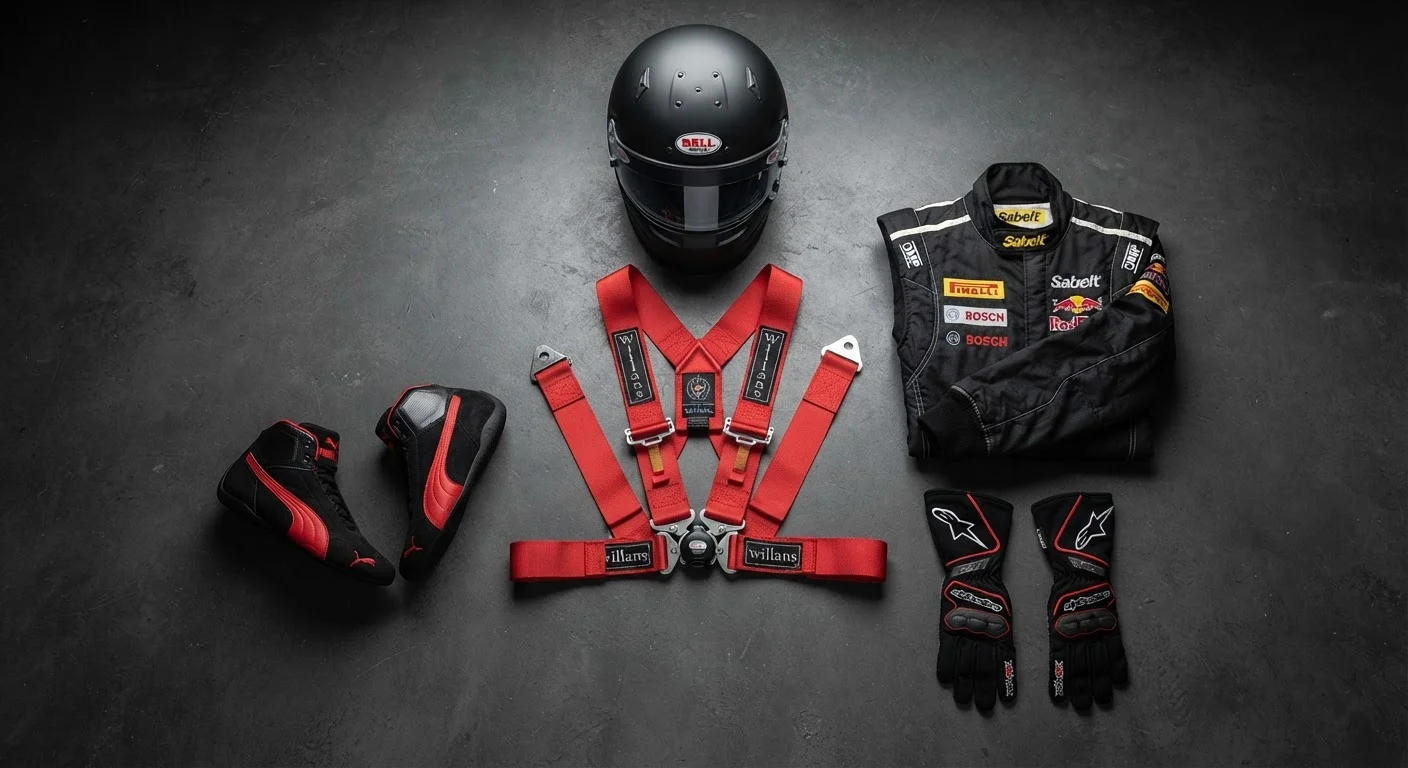
Neck pillows and headrest attachments are comfort accessories, not crash protection equipment. They are not tested to any occupant protection standard and should never be used as a substitute for a properly adjusted OEM headrest, which is engineered to reduce whiplash risk in rear-end collisions. Do not remove or significantly alter your vehicle's factory headrest to accommodate an aftermarket attachment. If you are interested in neck protection for motorsport applications, that is an entirely different category of equipment - see our overview of neck restraint devices for motorsport.
Headrest post exposure: If your seat's headrest is fully integrated into the seatback with no exposed post, most clip-on or strap attachments won't mount cleanly. Check your vehicle's owner's manual or measure the exposed post length before selecting any attachment product.
Existing headrest position: A headrest attachment adds thickness between your head and the headrest. If your current headrest already sits at the right height for your seated eye level and neck curve, adding a cushion may push your head forward, worsening posture rather than improving it. Adjust the headrest up or down to compensate after adding any attachment.
Passenger vs. driver use: Drivers need to maintain a clear field of vision and cannot freely shift position. Headrest attachments are generally preferable for the driver's seat. Passengers - especially rear-seat passengers on long-haul road trips - often benefit more from portable pillows because they change position throughout the journey.
Adding multiple accessories: It's tempting to layer a neck pillow on top of a headrest attachment, but this can reduce net comfort by misaligning support surfaces. More accessories don't always mean more comfort - choose one primary support type for each seat position and evaluate it on its own first.
Finally, if you're outfitting a van or high-roofline vehicle, cabin geometry differs significantly from passenger cars. The comfort accessories guide for vans and tall-bodied vehicles covers which seat support types translate well to those interiors.