What Steering Wheel Covers Actually Do
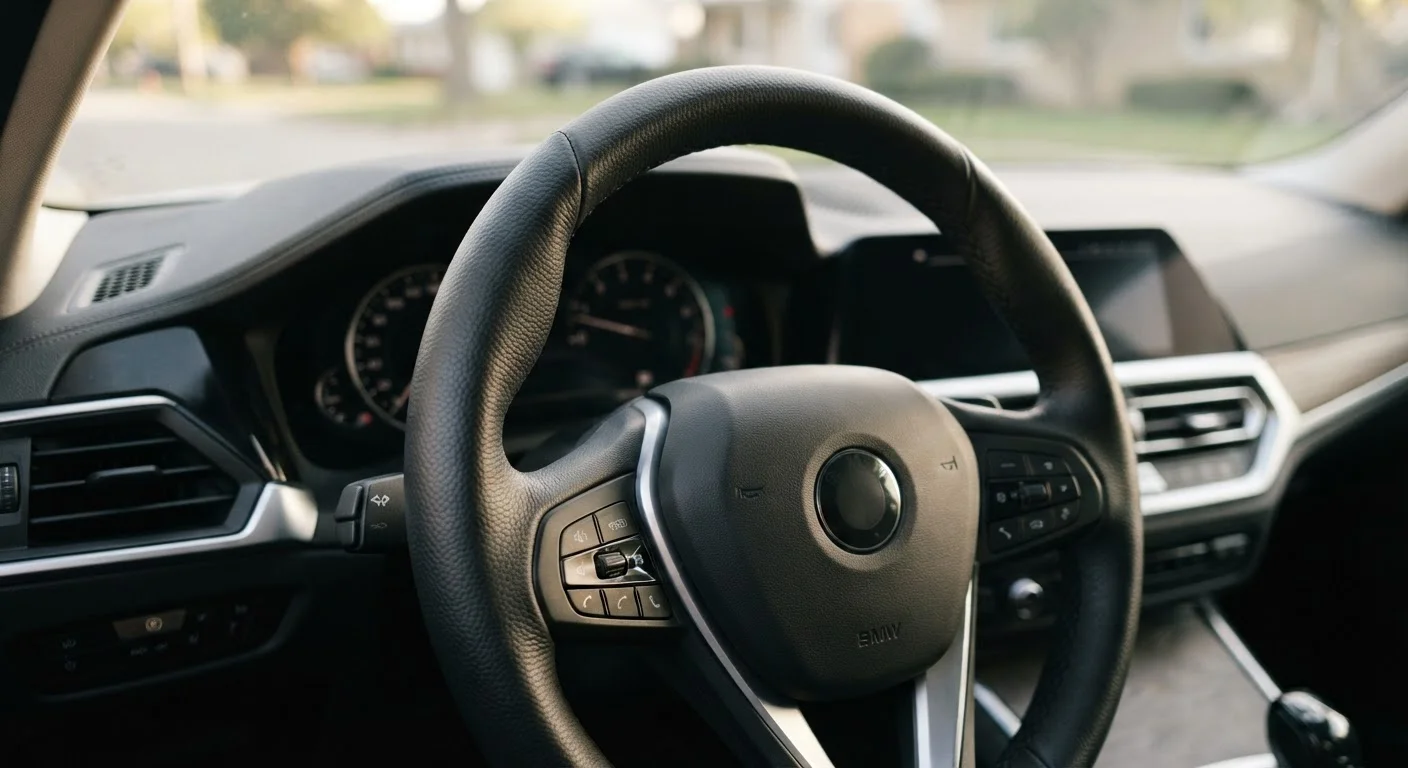
A steering wheel cover adds a layer of material over the factory wheel rim, changing its texture, diameter, and thermal properties. That sounds straightforward, but the real-world impact depends heavily on what your OEM wheel already offers and what problem you're trying to solve.
Drivers typically reach for a cover when the factory leather or plastic has worn smooth, when extreme temperatures make the bare wheel painful to touch, or simply when they want a different tactile feel. All of these are legitimate motivations - but the cover has to match the need. A breathable microfiber cover addresses sweat-related grip loss during summer driving far better than a faux-leather sleeve that seals in moisture.
For context on how this fits into a broader interior comfort strategy, see Setting Up Your Car's Interior for All-Day Comfort - it covers accessory placement and climate interactions that affect how well any single item performs.
The Genuine Advantages
When a cover is well-matched to the driver's conditions and correctly installed, it delivers on several fronts.
Restores grip on worn or smooth OEM wheels
Factory leather and plastic surfaces wear down over years of use, becoming slick and reducing tactile feedback. A textured cover brings back meaningful grip without a full wheel replacement.
Reduces surface temperature in hot climates
Light-colored or heat-reflective covers can lower the wheel's surface temperature compared to bare dark materials left in direct sun. This makes initial contact far more comfortable in summer.
Adds cushioning for long-haul drivers
A slightly thicker rim profile reduces pressure points on the palms during extended drives, which some high-mileage drivers find reduces hand fatigue over time.
Provides insulation in cold weather
Thicker material covers retain enough warmth to make the first few minutes of a cold-weather drive more tolerable before the cabin heats up.
Cost-effective alternative to a full retrim
Professional steering wheel retrimming can cost several hundred dollars. A quality cover achieves similar tactile results at a fraction of that cost for drivers with sound but worn OEM wheels.
130°F+
Peak cabin temperature in parked cars in summer
Studies on vehicle interior heat buildup, including research cited by the National Highway Traffic Safety Administration, have documented interior temperatures exceeding 130°F on hot sunny days.
~3-5mm
Typical thickness added by a standard cover
Most mid-range covers add between 3 and 5 millimeters to the rim diameter, which is enough to meaningfully change grip feel but may affect compatibility with driving gloves or precise hand placement.
Beyond raw grip, covers can act as a thermal buffer. In climates where cabin temperatures spike above 130°F during summer parking, a light-colored or heat-reflective cover material can reduce surface temperature noticeably compared to bare dark plastic or leather. The same logic applies in cold climates - thicker covers retain some hand warmth during the first minutes of a drive before the cabin heats up.
Drivers logging high daily mileage also report reduced hand fatigue from covers that add slight cushioning to a thin OEM rim. This connects directly to the ergonomic picture - good steering wheel ergonomics go beyond just adjusting column height.
Where They Fall Short
The disadvantages are real and worth understanding before committing to a cover - particularly for drivers of vehicles with advanced steering systems or integrated controls.
Poor fit can compromise steering precision
An oversized or undersized cover shifts and bunches under load, reducing the driver's ability to feel road feedback accurately. This is especially noticeable in vehicles with direct steering systems.
Dark materials absorb and retain heat
Ironically, some covers worsen the heat problem they're meant to solve. Dark synthetic covers left in direct sunlight can reach temperatures as high or higher than bare OEM plastic.
May interfere with steering-integrated controls
Covers that add significant thickness can reduce the tactile clarity of volume, cruise, or driver-assist buttons embedded in the wheel's spoke area, depending on wheel design.
Airbag zone compatibility is not universal
Covers that wrap over or near the horn pad area may theoretically interfere with airbag module function if improperly fitted. Always confirm the cover does not encroach on the airbag deployment zones specified in the vehicle's owner manual.
Hides rather than fixes underlying damage
A cover placed over cracked, peeling, or structurally compromised OEM leather delays the driver from addressing the actual problem, which may worsen over time beneath the cover.
Airbag Compatibility: Check Your Owner Manual
Some steering wheels integrate airbag deployment systems that extend beyond the central horn pad. Any cover that wraps over areas designated as airbag zones - even partially - should be avoided. Consult your vehicle's owner manual to identify the exact boundaries. When in doubt, choose a cover explicitly designed for your vehicle's wheel diameter and confirm it carries no warnings about airbag interference.
It's also worth noting that covers are a workaround, not a repair. If your OEM wheel is cracked, peeling, or structurally compromised, a cover hides the problem. A professional retrim or OEM replacement wheel addresses it. As a general principle explored in why adding more accessories doesn't always mean a more comfortable ride, layering on gear without addressing the root issue can create compounding problems.
Choosing the Right Material for Your Conditions
Material selection is the single most consequential decision when evaluating a steering wheel cover. Each type makes a different set of trade-offs:
- Genuine and synthetic leather: Durable and aesthetically familiar, but can become slick when wet. Perforated versions improve breathability significantly.
- Microfiber suede (Alcantara-style): Excellent dry grip and heat resistance; absorbs sweat rather than repelling it, which aids tactile feedback but requires more cleaning.
- Silicone: Highly heat-tolerant and water-resistant; grip is consistent across conditions, though the texture feels different from traditional materials.
- Foam or sponge sleeves: Lowest cost and easiest installation; wear fastest and offer minimal thermal benefit.
Drivers who prioritize cabin comfort as a system - not just individual accessories - will find that material synergy matters. Seat cushion material choices follow similar logic: the right fill type depends on climate, duration of use, and sensitivity to heat buildup.