Why a Layered System Outperforms Individual Pieces
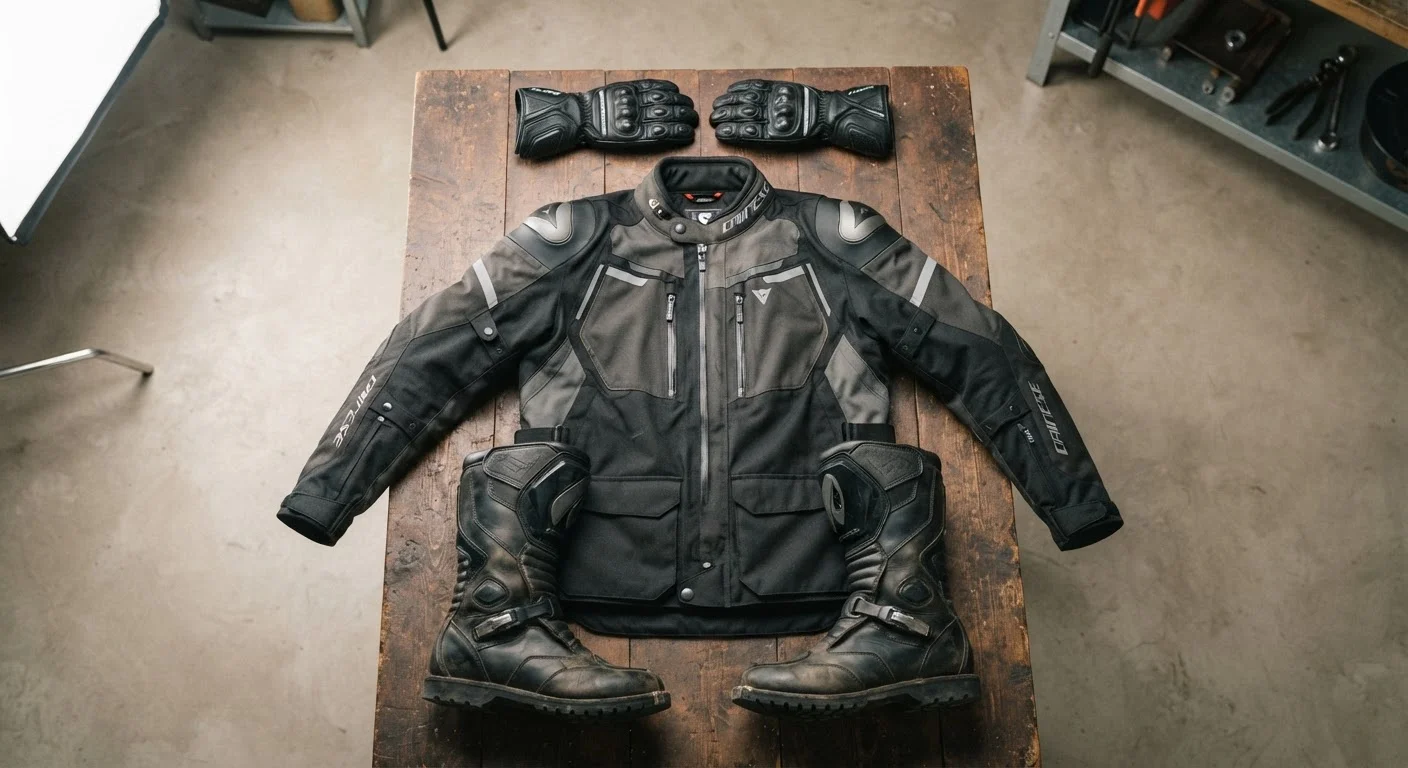
Riders who treat protective gear as a collection of independent items often end up with coverage gaps that only become apparent in the wrong moment. A layered protection philosophy starts from the premise that each piece - gloves, boots, and body armour - reinforces the others. Abrasion resistance in a jacket means little if unprotected hands hit the pavement first. Armoured boots protect ankles but rely on impact-rated knee and hip armour above them to manage the chain of forces traveling up the leg in a slide.
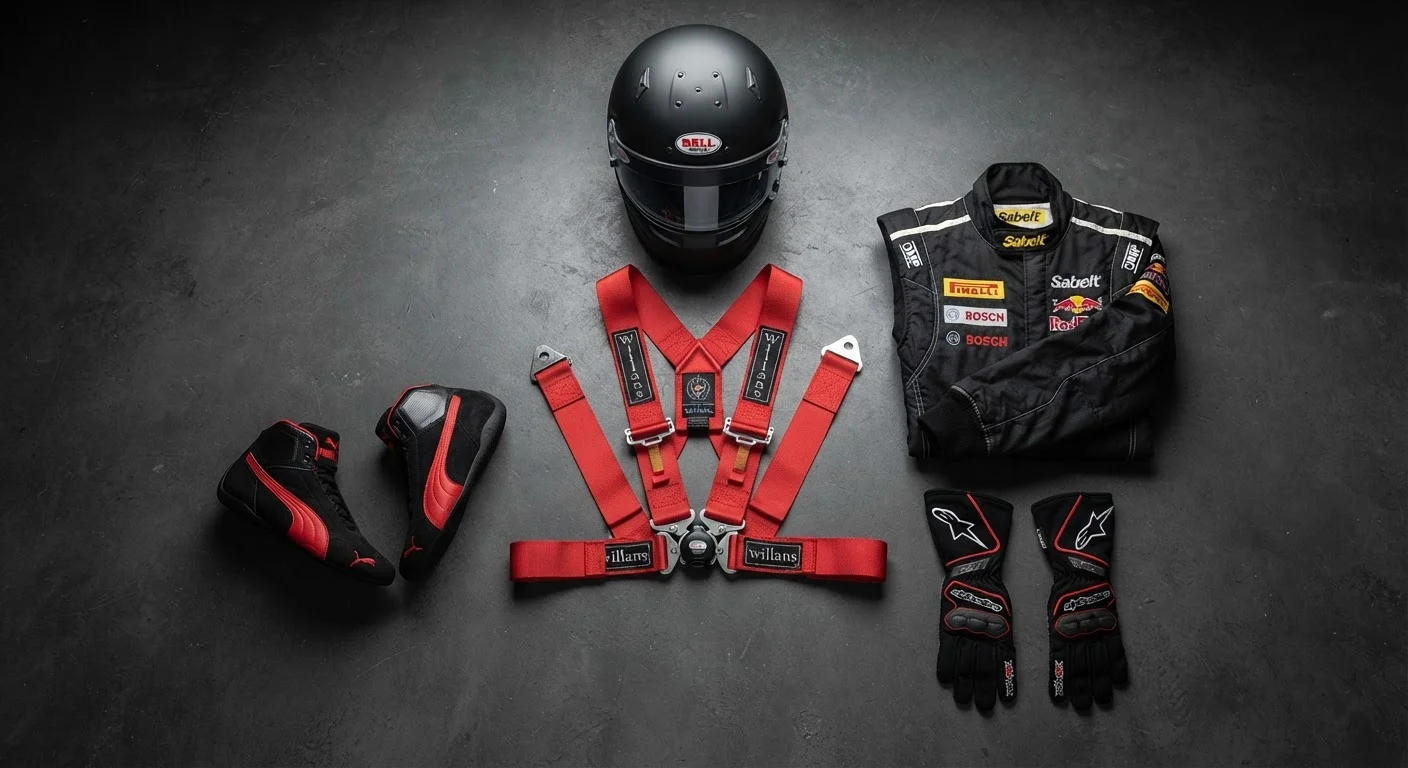
For contrast, consider how enclosed vehicle safety works: vehicle safety components like crumple zones and pretensioners are engineered as a coordinated system, not standalone features. Rider protection demands the same integrated thinking. Understanding the function of each layer is the starting point for building a coherent kit.
Think About Your Gear as a System Checklist
Before each ride, run a quick mental check: gloves secured, boot closures fastened, armour inserts in correct position. It takes under 30 seconds and ensures you're not unknowingly riding with a protective gap. Consistent pre-ride habits reinforce the layered system approach rather than treating each piece as an afterthought.
Gloves: The Most Overlooked Critical Layer
In a fall, the instinctive response is to extend your hands - which means gloves absorb initial contact forces before any other piece of gear. Yet gloves are frequently deprioritized. The key protective qualities to evaluate are palm slider materials (commonly hard thermoplastic or reinforced leather), knuckle armor ratings, and cuff closure that prevents the glove from pulling off during a slide.
Look for gloves carrying CE EN 13594 certification, which tests abrasion resistance and impact protection at the knuckles. Level 1 offers baseline performance; Level 2 represents higher tested thresholds. Wrist protection - either a rigid splint or articulated guard - is a meaningful differentiator, given that wrist fractures are common crash injuries. For a broader understanding of how certification terms translate to real-world performance, the safety equipment glossary covers key standards in plain language.
Verify CE certification levels before purchasing any protective garment or insert.
CE ratings are independently tested benchmarks, not manufacturer claims. Knowing whether a piece meets Level 1 or Level 2 thresholds gives you a factual basis for comparing options rather than relying on marketing language.
Fit each piece of gear while wearing the clothing layers you'll actually ride in.
Armour that fits correctly over a t-shirt may sit off-target when worn over a mid-layer. Improper positioning reduces coverage at the exact joints it's designed to protect, regardless of the insert's rating.
Inspect glove cuff closure and retention before each riding season.
Velcro closures and retention straps degrade with regular use. A glove that doesn't stay on the hand during a slide forfeits its palm and knuckle protection entirely at the moment it's most needed.
Choose motorcycle-specific boots rated to EN 13634 rather than general work or fashion footwear.
Ankle rotational resistance and heel energy absorption in dedicated motorcycle boots are engineered for crash dynamics that general footwear standards don't address. The difference is measurable in the standard's test criteria.
Treat back protector upgrades as a priority rather than an optional addition.
Many mid-range jackets ship with Level 1 or unrated foam spine inserts. Upgrading to a standalone CE EN 1621-2 Level 2 back protector is one of the higher-impact changes a rider can make within an existing jacket.
Boots: Ankle and Foot Protection Under Real Load
Motorcycle boots carry a dual burden: they must protect against crush forces when a bike goes down and resist rotational ankle injuries caused by the foot catching the ground during a slide. Standard footwear - even heavy work boots - typically lacks the torsional rigidity and ankle armor needed to address these forces adequately.
CE EN 13634 is the relevant standard for motorcycle footwear, rating boots across heel energy absorption, ankle flexion resistance, and toecap and midsole penetration resistance. The standard uses a two-level system for most criteria; riders who spend time at higher speeds or on track benefit from seeking Level 2 ratings across multiple categories. Height matters too: taller boots that cover the ankle provide meaningfully better rotational resistance than short styles, even when both carry the same certification.
~33%
Motorcycle crashes involving lower-extremity injury
Research published in traffic safety literature consistently identifies the lower extremities as among the most frequently injured body regions in motorcycle crashes.
2x
Force reduction: CE Level 2 vs Level 1 back protectors
CE EN 1621-2 Level 2 back protectors must transmit a mean force below 20 kN versus 35 kN for Level 1 - roughly half the transmitted force in standardized testing.
Body Armour: Coverage, Certification, and Placement
Body armour inserts and integrated armoured garments protect the spine, shoulders, elbows, hips, and knees - the joints and structures most exposed in a crash. The governing standard in the US and internationally is CE EN 1621, with separate sub-standards for limb protectors (1621-1), back protectors (1621-2), and airbag systems (1621-4).
Level 1 armour transmits a mean force below 35 kN in testing; Level 2 reduces that to below 20 kN - a meaningful difference in real-world impact scenarios. Back protectors deserve particular attention: a Level 2 spine protector is a genuine upgrade from the thin foam inserts that ship with many budget jackets. Placement within a garment is equally important - armour that doesn't sit over the correct anatomical zone provides reduced protection regardless of its rating.
For riders who want a comprehensive view of how protective equipment functions across disciplines, driver safety gear explained provides useful context on purpose and function across different gear categories.
Matching Your System to Riding Discipline and Conditions
A sport rider logging highway miles has different layering priorities than a dual-sport rider on technical trails or a commuter navigating urban traffic. Speed, surface type, and fall probability all influence which protection levels are most relevant. Track riders should evaluate how their gear overlaps with enclosed-vehicle safety thinking - in-car safety equipment for track day participants explores how car-based protection systems are built, offering useful comparative context.
Environmental conditions introduce a retention challenge: summer perforated gloves offer less abrasion resistance than full-grain leather winter alternatives. Riders tempted to drop protective layers in warm weather should understand that they're trading impact management capability, not just comfort. Visibility is a related factor - see reflective gear and high-vis options for guidance on how to stay seen across different riding environments.
Airbag Vests and Suits: An Emerging Layer
Motorcycle airbag systems - either tethered or electronically triggered - are increasingly available as standalone vests or integrated into suits. These are governed by CE EN 1621-4 and are designed to complement, not replace, traditional armour. If you're considering an airbag system, evaluate it as an addition to a fully rated base kit, not a substitute for CE-rated impact armour in jackets and pants.