Why Fluid Color and Location Matter
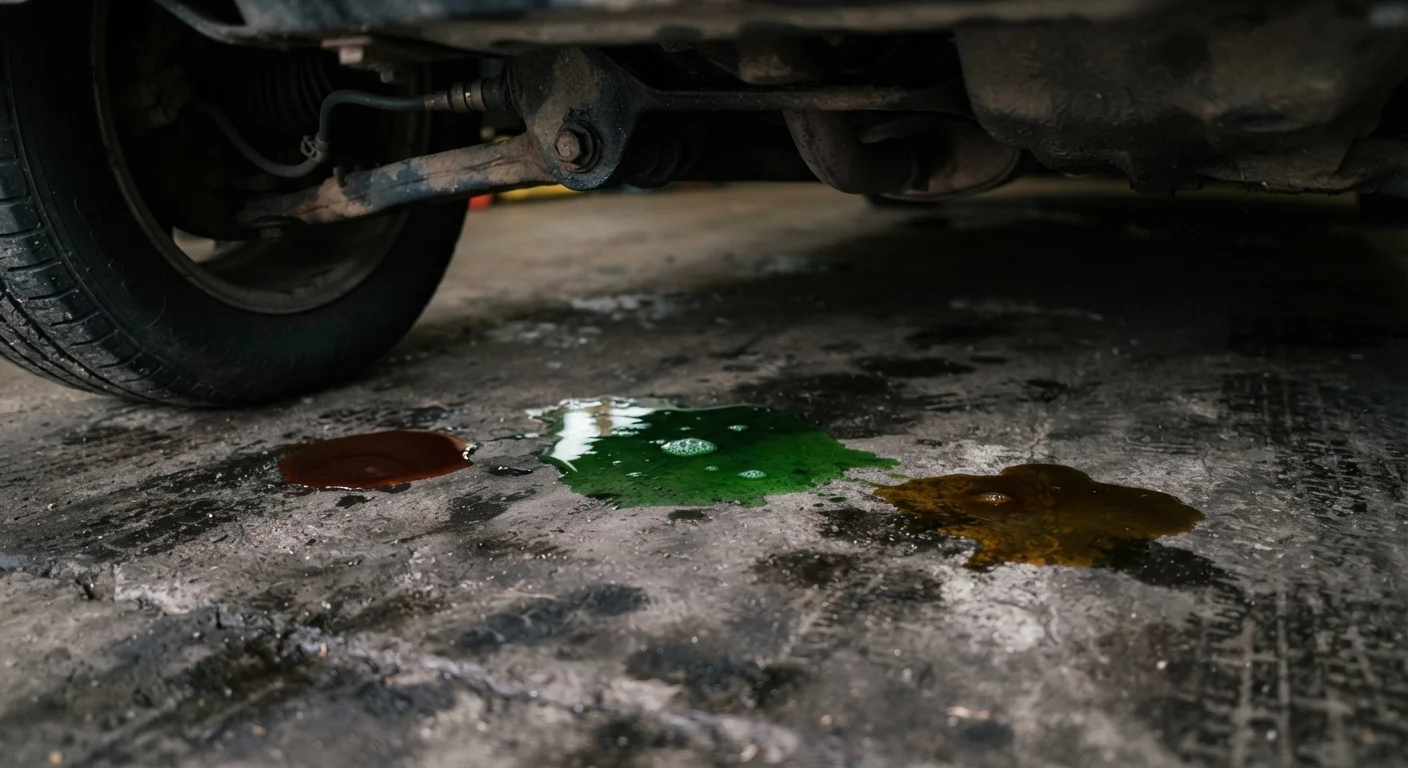
A puddle under your vehicle is never something to ignore - but it's also not always cause for immediate alarm. The key is knowing what you're looking at. Most vehicles contain six or more distinct fluids, and each has a characteristic color, consistency, and typical leak location that helps narrow down the source quickly.
Before crouching down to investigate, always let the engine cool if you've recently driven. Fluids can drip from components that run extremely hot. Place a piece of cardboard under the vehicle overnight to capture the leak's exact position relative to the front or rear axle - this narrows the source significantly.
| Engine Oil Color | Amber (new) to dark brown/black (used) |
| Coolant Color | Green, orange, pink, or blue depending on type |
| ATF Color | Red or pink (new), brown (aged) |
| Brake Fluid Color | Clear to light yellow |
| Power Steering Fluid Color | Red, pink, or amber |
| Safe to Drive? | Never drive with a brake fluid or coolant leak without inspection |
If you're also noticing dashboard warning lights alongside a leak, see what your check engine light is actually telling you - the two symptoms together can point directly to a specific system failure.
Fluid Identification Quick Reference
ATF (Automatic Transmission Fluid)
A specialized hydraulic fluid that lubricates, cools, and transmits pressure within an automatic transmission. It is typically red or pink when new and darkens with heat and age.
Coolant
A water-based fluid mixed with antifreeze that circulates through the engine and radiator to regulate operating temperature. It prevents both overheating and freeze damage.
Brake Fluid
A hydraulic fluid that transmits force from the brake pedal through the braking system to the calipers or wheel cylinders. It absorbs moisture over time, which can degrade its performance.
Power Steering Fluid
A hydraulic fluid that enables the power steering pump to assist the driver in turning the steering wheel. Low levels can cause stiff steering or a whining pump noise.
Oil Seep vs. Oil Leak
A seep is a very slow accumulation of oil around a gasket or seal, often leaving a film rather than a puddle. A leak produces measurable fluid loss and typically forms drips or puddles under the vehicle.
Evaporator Drain
A tube that routes condensation from the air conditioning evaporator core out of the passenger compartment. Water dripping from this drain near the firewall is normal during and after A/C use.
Use the descriptions below to match what you find to the most likely fluid. Always cross-reference location: a red fluid near the front-center suggests power steering fluid or transmission fluid from a cooler line, while the same color near a rear differential points elsewhere entirely.
Engine Oil
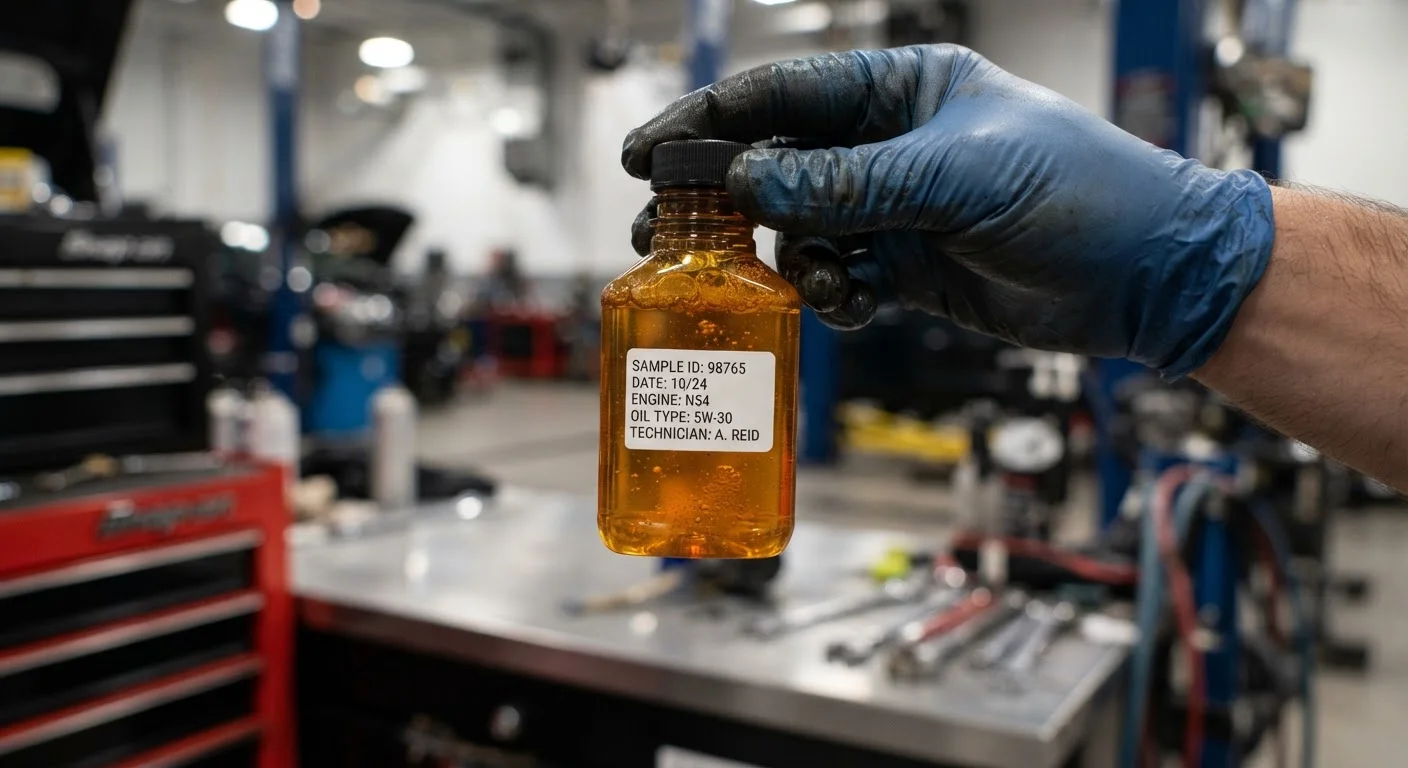
Engine oil ranges from light amber when fresh to dark brown or nearly black as it ages. It feels slippery between your fingers and has a faint burnt odor when old. Leaks typically appear beneath the engine block, oil pan, or valve cover area. Low oil pressure caused by a significant leak can trigger serious engine damage - check the dipstick immediately. For context on oil properties, see engine oil grades and viscosity explained.
Coolant (Antifreeze)
Coolant is usually bright green, orange, pink, or blue depending on formulation, and has a distinctly sweet smell. It feels slightly slippery and leaves a sticky residue when dry. Leaks commonly appear near the radiator, hoses, water pump, or beneath the front of the engine. Coolant loss can lead to overheating rapidly - treat this as urgent.
Transmission Fluid
Automatic transmission fluid (ATF) is typically red or pink when new and darkens to brown with age. It has a slightly sweet or petroleum odor. Leaks appear near the transmission pan (center-to-rear undercarriage) or along cooler lines. If you suspect a transmission leak, recognizing early transmission warning signs can help you assess how urgent the situation is.
Brake Fluid
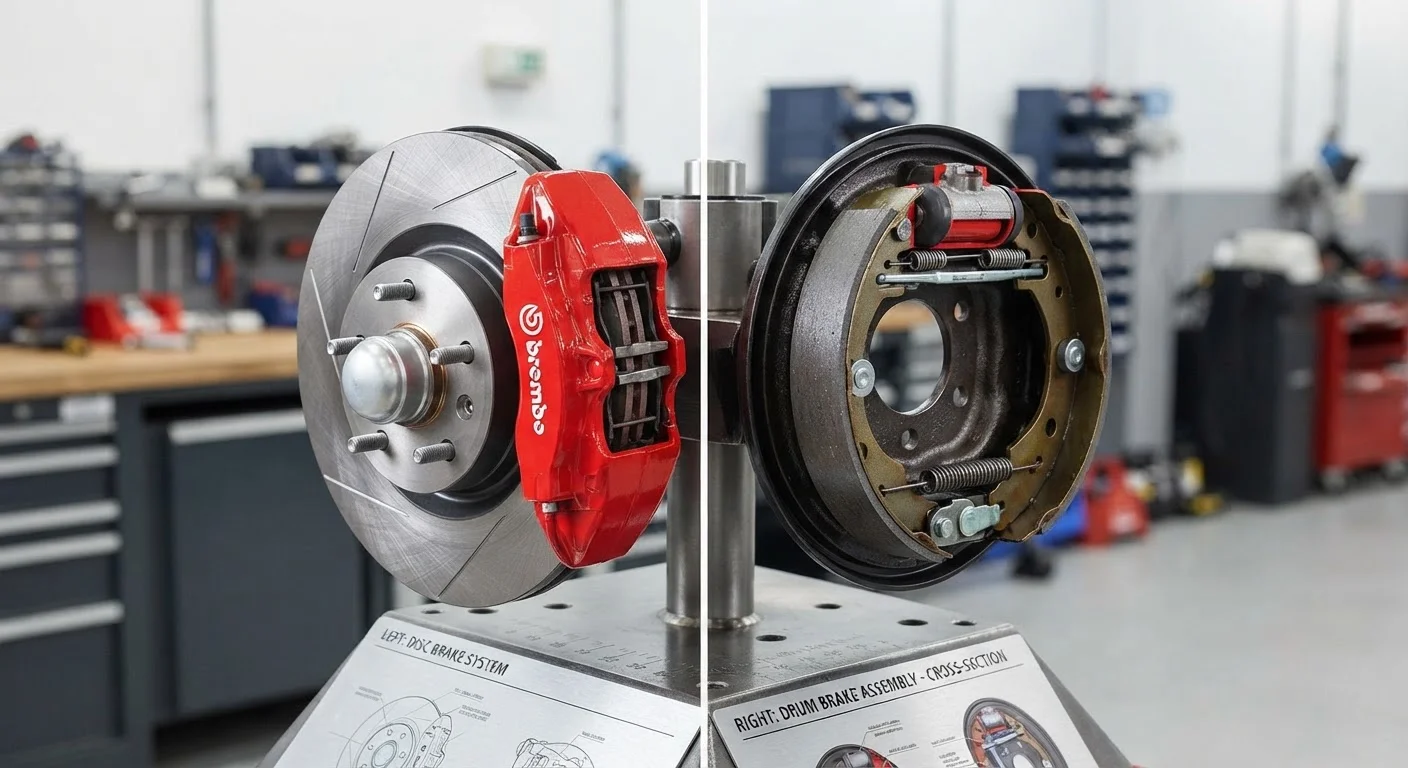
Brake fluid is clear to light yellow and feels thin but distinctly slippery - almost like vegetable oil. It appears near wheel wells, calipers, or the master cylinder under the hood. Any brake fluid leak is a safety-critical issue; do not drive the vehicle until inspected by a qualified mechanic. Learn more about why brake fluid matters more than most drivers realize.
Power Steering Fluid
Power steering fluid resembles ATF in color - red, pink, or amber - and often has a slight burnt smell when leaking from a hot system. Leaks typically appear near the front of the vehicle beneath the steering rack or pump. Foamy or whining sounds while turning can accompany this leak.
Water Condensation
On humid days or after running the air conditioning, clear water dripping from beneath the vehicle near the passenger compartment is normal - it's condensation from the A/C evaporator drain. No action is needed.
When to Act and When to Get Help
6+
Distinct fluids in a typical passenger vehicle
Modern vehicles carry engine oil, coolant, transmission fluid, brake fluid, power steering fluid, and washer fluid at minimum - each with unique leak characteristics.
~20 min
Time to overheat with significant coolant loss
Engines can reach damaging temperatures within roughly 20 minutes of operation with critically low coolant, depending on ambient conditions and load.
Minor seeps - a few drops after the vehicle sits overnight - warrant monitoring and a mechanic visit at your next opportunity. Active drips or puddles that form within minutes of parking require more immediate attention. Any leak involving brake fluid or coolant should be treated as urgent given the direct impact on vehicle control and engine health.
Unusual sounds alongside a leak can amplify what a puddle alone tells you. Strange engine noises and what each one signals pairs well with this reference - a knocking sound combined with an oil leak, for instance, suggests the engine may already be running low on lubrication.
If you're unsure of your diagnosis or the leak's source isn't obvious, a professional inspection is the right call. Fluid systems are interconnected, and what appears to be a minor drip can sometimes indicate a failing seal or component under pressure.
This article is for informational and educational purposes only. Always consult a qualified mechanic before driving a vehicle with a suspected fluid leak, particularly one involving brakes or coolant.