How Brake Fluid Does Its Job
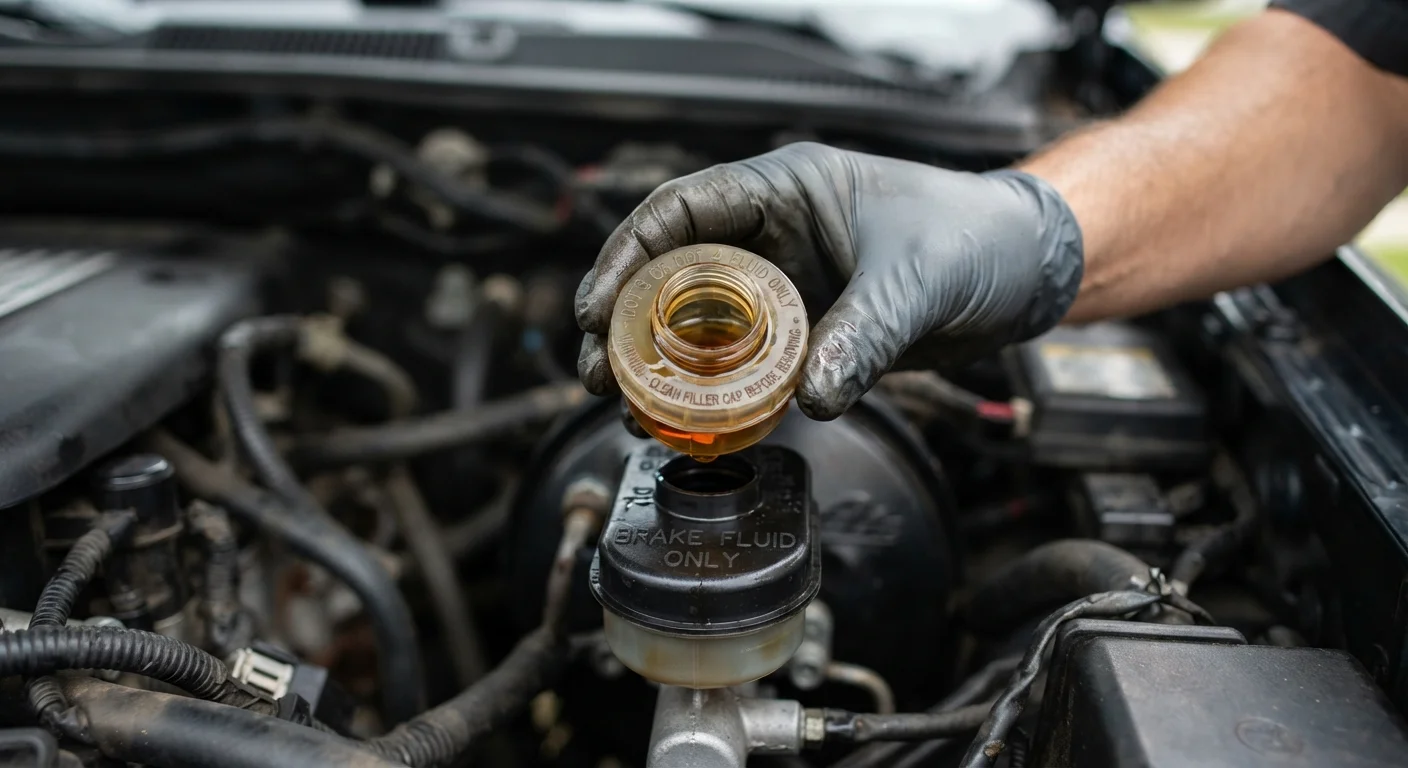
When you press the brake pedal, you're not directly squeezing the brake pads - you're pressurizing a sealed hydraulic circuit. Brake fluid fills that circuit, from the master cylinder near the firewall all the way to the calipers or wheel cylinders at each corner. Because fluids are nearly incompressible, the force travels almost instantaneously through the lines, translating pedal effort into mechanical clamping force at the wheel.
This is why fluid condition matters so much. Any compressibility in the system - caused by air bubbles or vapor - translates directly into a soft, unresponsive pedal. The spongy or pulsating pedal feel that many drivers dismiss as minor is frequently a symptom of compromised fluid.
Brake Fluid and Disc vs. Drum Systems
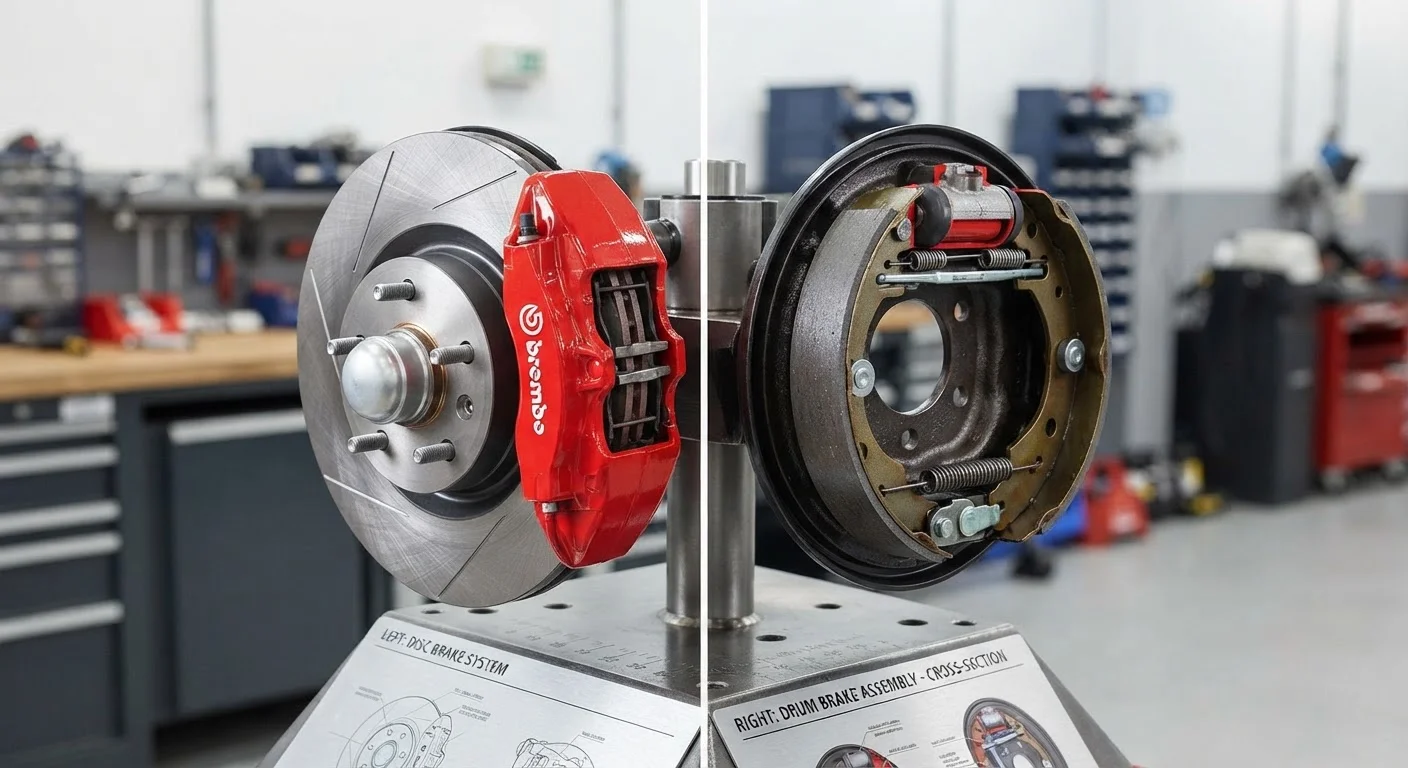
Both disc and drum brake systems rely on the same hydraulic fluid principles, though disc brakes - particularly at the front - tend to generate more heat during normal use. If you're curious how the two systems compare mechanically, our article on disc brakes vs. drum brakes covers the key differences. Fluid specification requirements are set by the vehicle manufacturer and apply across both system types.
Why Brake Fluid Degrades Over Time
The most important thing to understand about glycol-ether brake fluid - which covers DOT 3, DOT 4, and DOT 5.1 - is that it is hygroscopic, meaning it actively absorbs water from the surrounding environment. Moisture enters through rubber brake hoses, the reservoir cap vent, and even the brake lines themselves over time.
As the fluid absorbs water, its boiling point drops significantly. Fresh DOT 3 fluid has a dry boiling point of at least 401°F (205°C). Once it absorbs just 3.7% water by volume - its rated wet boiling point - that threshold falls to 284°F (140°C). Under heavy or repeated braking, brake components can reach temperatures that exceed degraded fluid's boiling point, converting liquid into vapor. Vapor is compressible, which causes brake fade and dramatically reduces stopping capability.
~3.7%
Moisture content that triggers DOT 3 wet boiling point rating
At this moisture level, DOT 3 fluid's boiling point drops from 401°F to 284°F - a reduction that significantly increases vapor lock risk under heavy braking.
2 years
Typical manufacturer-recommended brake fluid service interval
Many vehicle manufacturers specify brake fluid replacement on a two-year cycle regardless of mileage, due to ongoing moisture absorption even in parked vehicles.
117°F
Boiling point drop in degraded DOT 3 fluid
The difference between dry and wet boiling points for DOT 3 fluid illustrates how dramatically moisture absorption reduces the safety margin during demanding brake use.
Understanding DOT Ratings
The DOT classification system rates brake fluid primarily on its boiling points - both dry (fresh fluid) and wet (fluid that has absorbed a standard amount of moisture). Higher DOT numbers generally indicate higher boiling thresholds, making them suitable for vehicles that generate more brake heat, such as trucks, performance cars, or vehicles used for towing.
| Fluid Type | Dry Boiling Point | Wet Boiling Point | Base Chemistry |
|---|---|---|---|
| DOT 3 | 401°F (205°C) | 284°F (140°C) | Glycol-ether |
| DOT 4 | 446°F (230°C) | 311°F (155°C) | Glycol-ether |
| DOT 5.1 | 500°F (260°C) | 356°F (180°C) | Glycol-ether |
| DOT 5 | 500°F (260°C) | 356°F (180°C) | Silicone |
Note that DOT 5 silicone fluid is not interchangeable with glycol-based fluids and is incompatible with most standard brake systems. Always confirm which specification your vehicle requires - using the wrong type can damage seals and degrade overall system performance. If you're considering brake hardware modifications, it's worth reading up on brake upgrades for performance driving to understand how fluid specification fits into the wider picture.
Recognizing When Fluid Needs Attention
Brake fluid condition isn't always obvious, but there are reliable indicators to watch for:
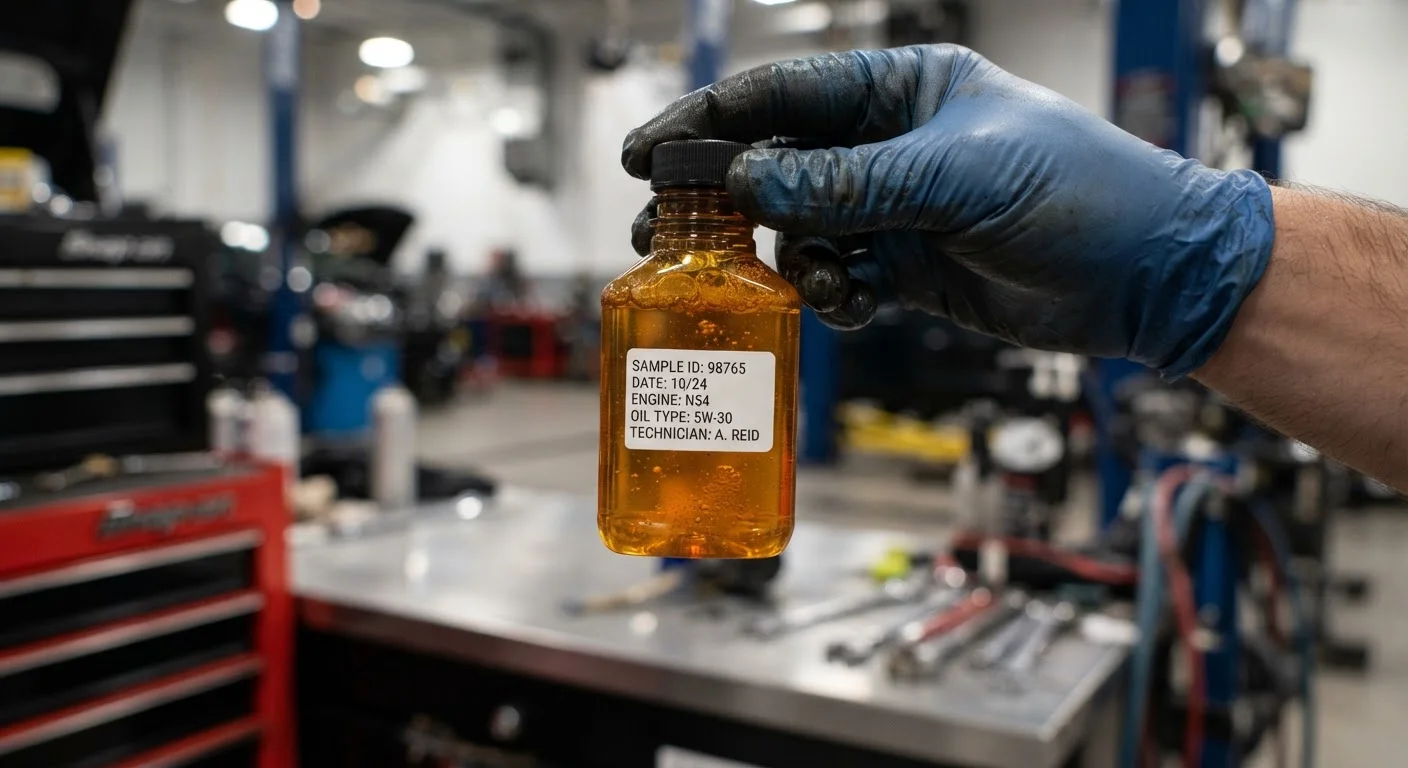
- Color change: Fresh fluid is pale yellow or nearly clear. Dark amber or brown fluid has absorbed significant contaminants and moisture.
- Pedal feel changes: A pedal that requires more travel than usual, or feels soft and spongy, can indicate vapor in the system from degraded fluid.
- Reservoir level: A lower-than-normal reservoir level may indicate worn pads (which is normal) or a leak. If you notice a fluid puddle under your vehicle, our guide on identifying fluid leaks can help you determine the source.
- Service interval elapsed: Most manufacturers specify a flush every two years regardless of apparent fluid condition, because moisture content isn't always visible to the naked eye.
Get Fluid Tested, Not Just Eyeballed
Visual color inspection gives a rough indication of fluid condition, but moisture content can't be reliably judged by color alone. Many shops use an inexpensive electronic brake fluid tester that measures moisture percentage directly from the reservoir. Ask your mechanic to include this check during routine service - it takes under a minute and removes guesswork.
For a deeper look at how fluid condition affects stopping distance in measurable terms, see our companion article on brake fluid as a service item.