How the Classification Framework Works
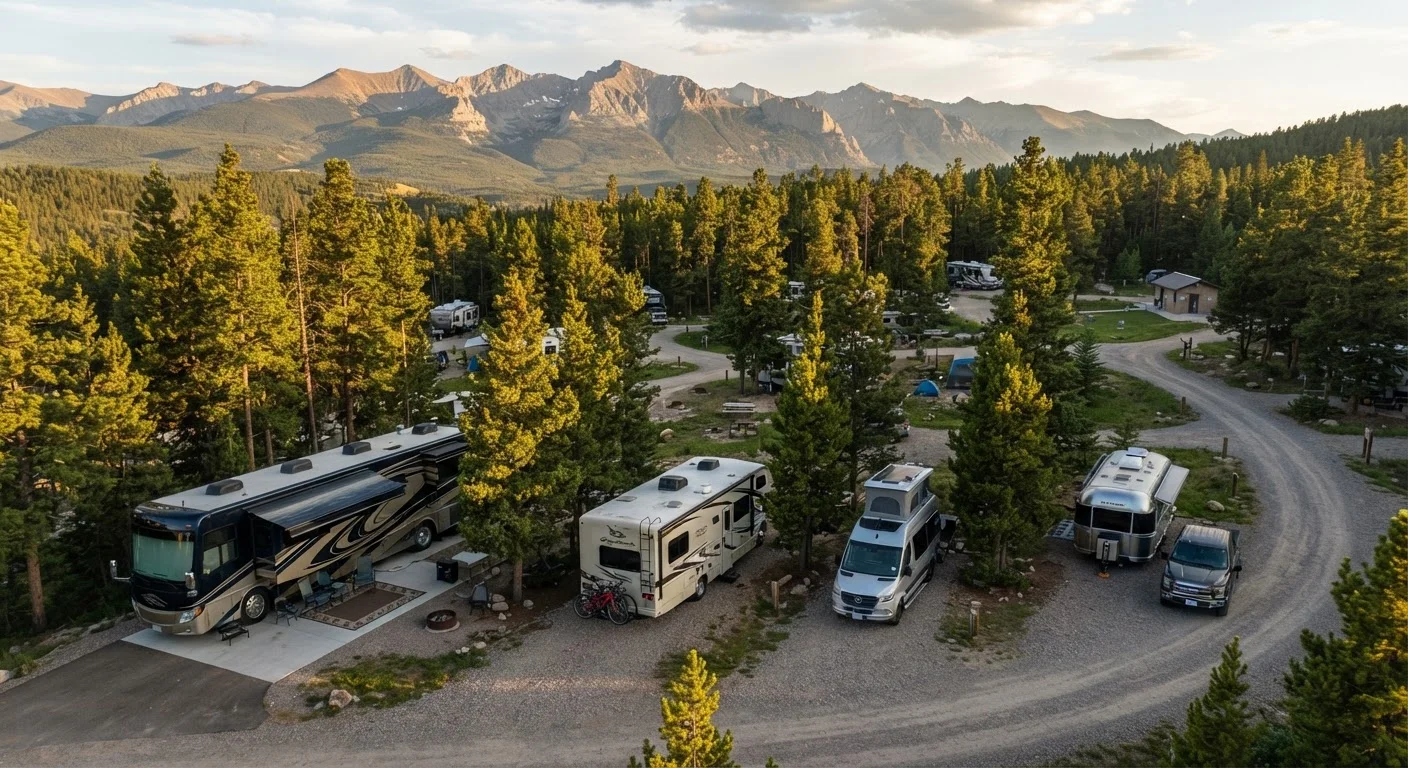
The RV class system exists to bring structure to an extraordinarily diverse market. Without it, comparing vehicles across hundreds of configurations would be far more difficult. At its core, the system splits recreational vehicles into two major branches: motorized and towable.
Motorized RVs - Classes A, B, and C - have their own drivetrain and are driven directly to the campsite. Towable RVs encompass travel trailers, fifth wheels, pop-up campers, and toy haulers, all of which require a separate tow vehicle. For a structured reference covering all types in one place, the class-by-class reference guide is a useful companion to this explainer.
11.2M
U.S. households that own an RV
According to the Recreation Vehicle Industry Association (RVIA), RV ownership in the United States reached approximately 11.2 million households as of recent industry surveys.
~72%
Share of RV shipments that are towable units
RVIA shipment data consistently shows towable RVs - travel trailers and fifth wheels - represent the dominant majority of new RV production in the U.S.
21-45 ft
Typical Class A motorhome length range
Class A units span the widest length range of any motorized RV class, with diesel pushers often occupying the upper end of that range.
Class A, B, and C Motorhomes: The Key Distinctions
Class A
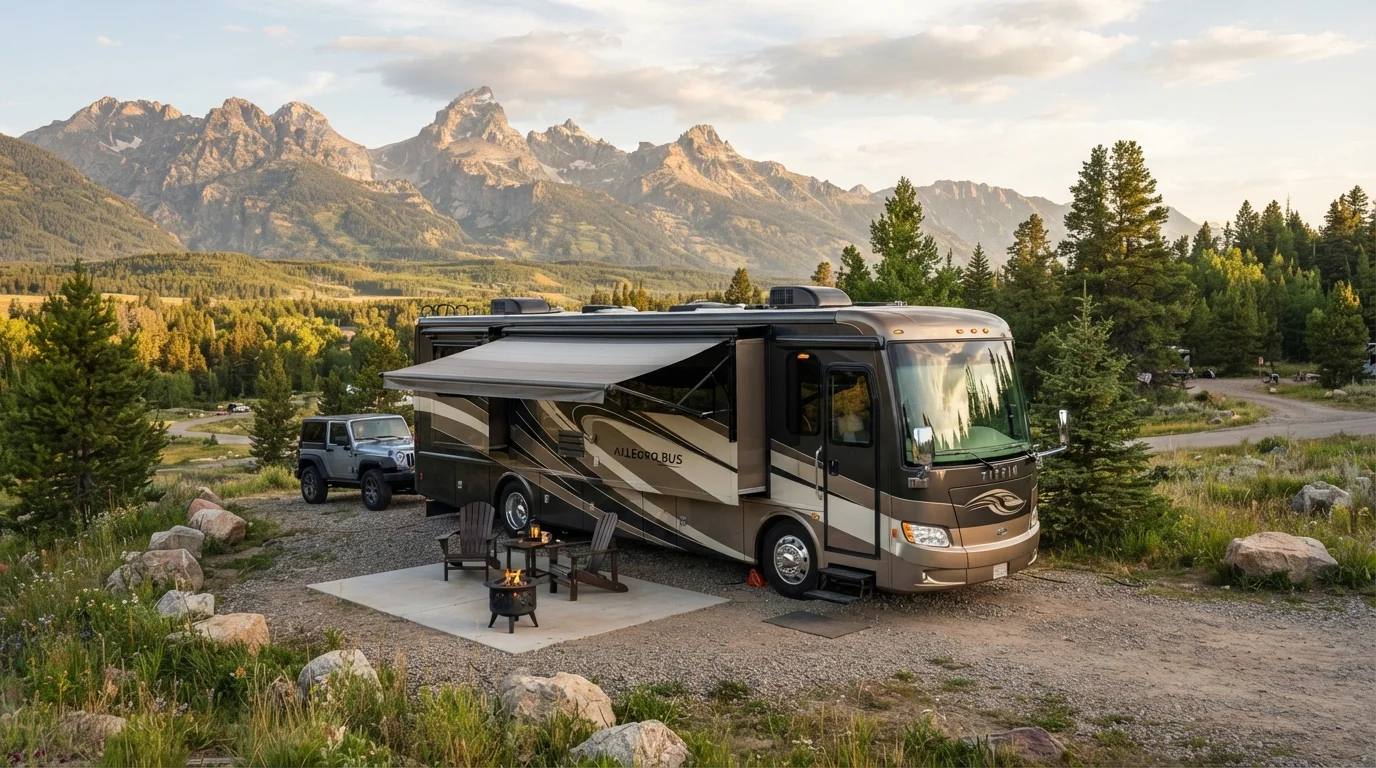
Class A motorhomes are constructed on either a commercial bus chassis or a purpose-built motorhome chassis. They range from roughly 21 to over 45 feet in length and typically offer the most interior living space of any motorized RV. Slideout rooms - sections that extend outward when parked - are common on Class A units and significantly expand usable floor space.
Class B
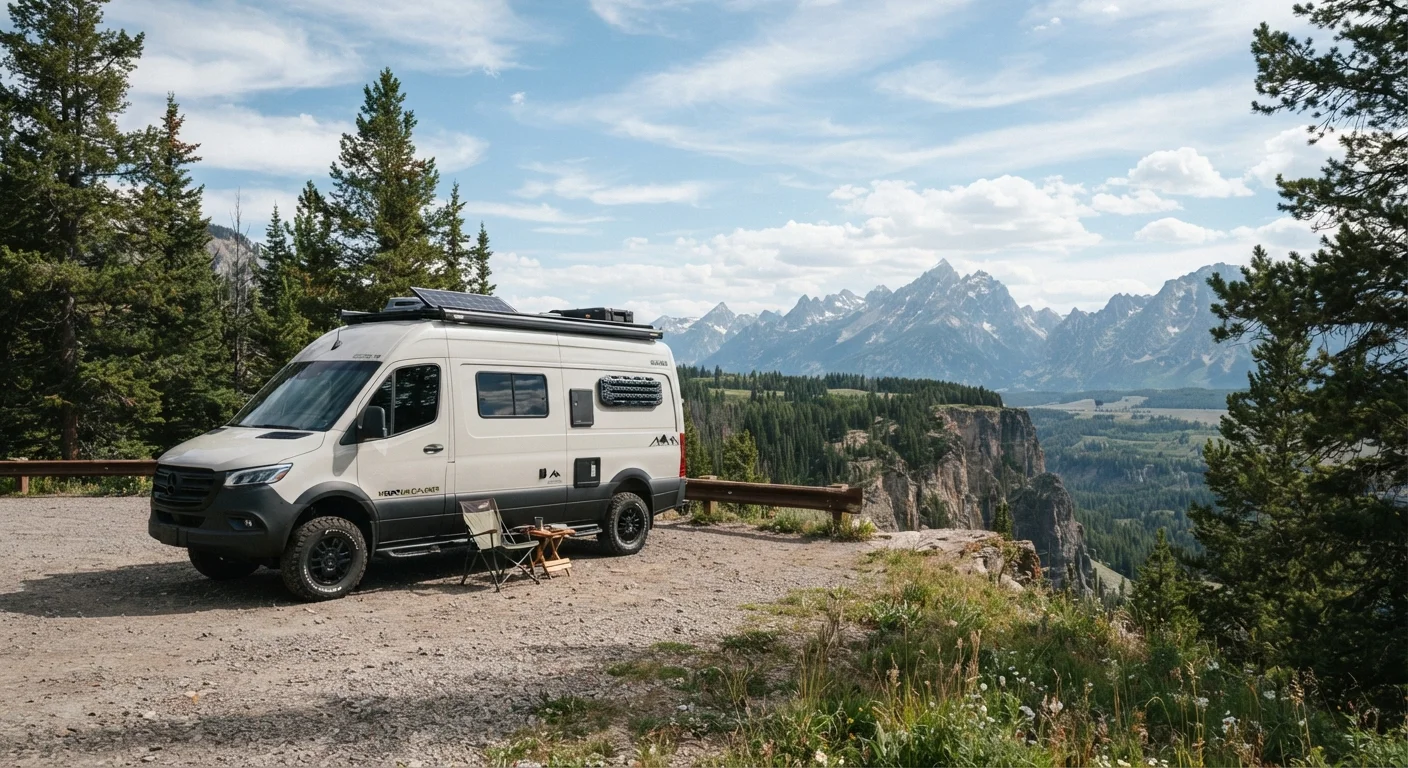
Class B motorhomes are built within the body of a full-size van, using high-roof extensions to maximize headroom without exceeding standard lane widths. They are the most maneuverable motorized RVs and the easiest to park in urban environments or standard campsites. Their compact footprint comes with trade-offs in sleeping capacity and storage volume.
Class C
Class C motorhomes are built on a cutaway van chassis - a cab-and-frame unit with the cargo section removed - giving manufacturers a flat deck to construct a custom living area. The distinctive cab-over bunk above the driver's compartment is the defining visual feature. Class C units generally fall between 20 and 33 feet and offer a practical middle ground between Class A space and Class B agility.
These structural differences directly drive interior layout decisions. How RV class shapes interior design explores those architectural trade-offs in depth.
Verify Towing Capacity Before You Commit
If you're considering a towable RV, confirm your tow vehicle's rated capacity against the trailer's gross vehicle weight rating (GVWR) - not just its dry weight. Manufacturers list dry weight without passengers, fluids, or gear, which can significantly understate real-world load. A qualified RV dealer or your vehicle manufacturer's towing guide can clarify safe limits for your specific setup.
Towable Categories: Travel Trailers, Fifth Wheels, and Beyond
Towable RVs are the most numerically prevalent segment of the RV market. They separate the living unit from the drivetrain entirely, which means your tow vehicle remains available for day trips once you're parked.
- Travel trailers: The broadest towable category, ranging from lightweight units under 2,000 lbs to large models exceeding 35 feet. They attach via a ball-and-hitch receiver.
- Fifth wheels: Distinguished by their bi-level floor plan and kingpin hitch mounted in the truck bed. The raised front section typically contains the primary bedroom, improving privacy and headroom.
- Pop-up campers: Fold-down tent trailers that minimize wind resistance while towing and expand significantly at the campsite. Suited for tent campers seeking a step up in comfort.
- Toy haulers: Trailers or motorhomes with an integrated rear garage section designed to transport ATVs, motorcycles, or other recreational equipment.
Understanding how each towable type fits real travel patterns is covered thoroughly in our guide to matching an RV class to your travel style.
What the Class Label Doesn't Tell You
The class designation tells you the structural category - it doesn't determine quality, price, or suitability for your specific needs. Two Class C motorhomes from different manufacturers can vary enormously in layout efficiency, build materials, and systems integration. Similarly, a well-specified travel trailer may offer more livable space than an entry-level Class A.
Floor plan configuration within a class often matters more than the class label itself. The hub on RV layouts covers how sleeping arrangements, kitchen positioning, and bathroom placement vary across floor plans within the same class.
For readers who are completely new to the market, The Complete Beginner's Orientation to RV Classes builds this framework from the ground up with no assumed prior knowledge.
This article is for general informational purposes. Always verify towing capacities, licensing requirements, and weight ratings with qualified professionals before purchasing or operating an RV.