Motorhomes: Class A, B, B+, and C
Motorhomes are self-propelled RVs - the engine, living quarters, and drive cab are integrated into one unit. Four distinct classes exist within this category, each with different size profiles, chassis origins, and capability trade-offs. For a deeper look at how these classes were defined and why the naming convention exists, see The RV Class System Explained.
| Class A typical length | 24-45 feet |
| Class B typical length | 17-24 feet |
| Class C typical length | 20-33 feet |
| Travel trailer GVWR range | Under 3,000 lbs to 14,000+ lbs |
| Fifth wheel coupling type | Kingpin and plate (pickup truck bed) |
| Pop-up camper tow vehicle requirement | Often manageable by mid-size SUVs |
| Toy hauler availability | Travel trailer and fifth wheel formats |
Class A
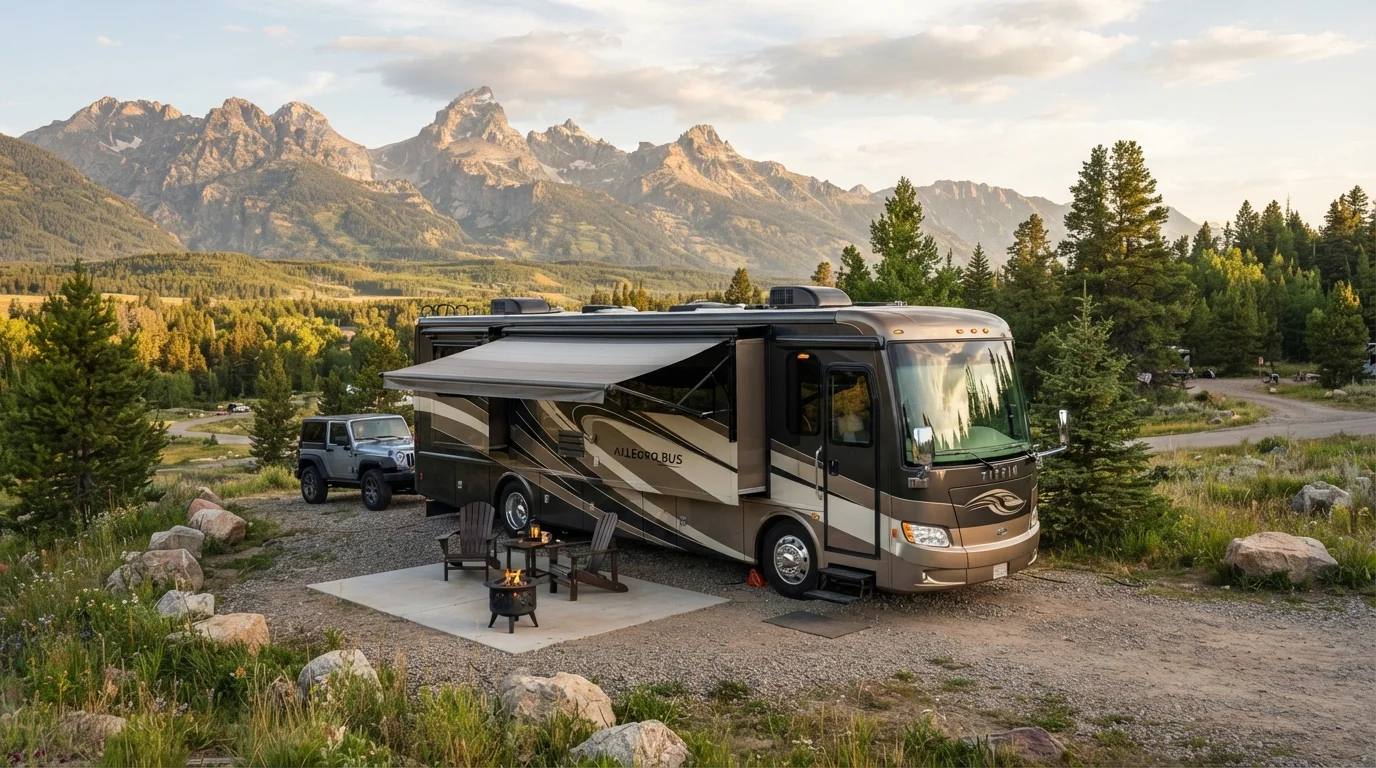
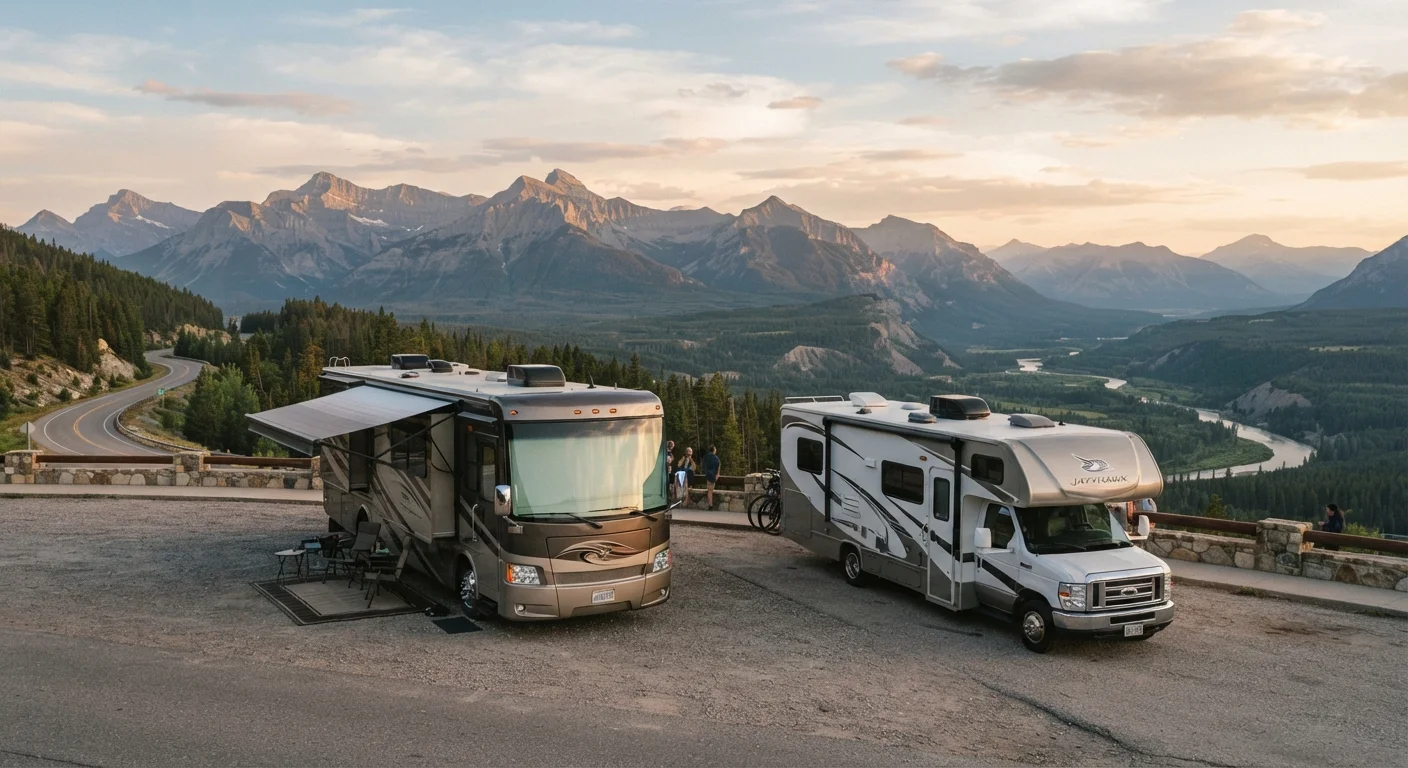
Built on a dedicated motorhome or commercial bus chassis, Class A units are the largest motorhomes produced for the consumer market. Lengths typically range from 24 to 45 feet. Most are built on either a diesel pusher platform (rear-mounted engine) or a gasoline chassis. Slide-out rooms are common and can substantially expand interior living space when parked.
Class B (Camper Van)
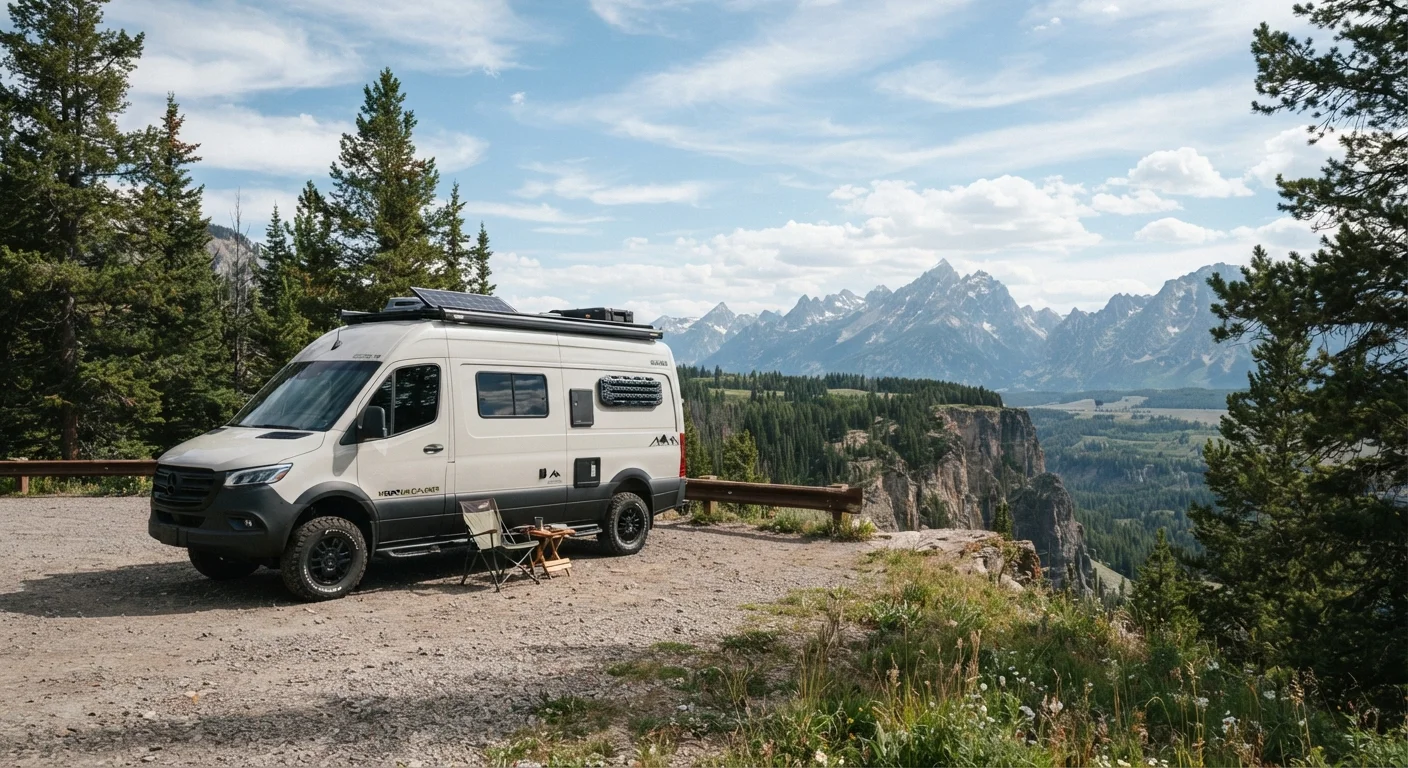
Class B units are built within the body of a standard full-size cargo van - no body extension beyond the roofline. This makes them the most maneuverable and fuel-efficient motorhome class. Interior space is limited by van dimensions, so layouts prioritize multi-functional furniture. They are the only motorhome class that doubles plausibly as a daily driver.
Class B+
Sometimes called an "extended van," the Class B+ uses a van or cutaway chassis but adds a body extension - most often a raised roof or widened midsection - that goes beyond factory van dimensions. This bridges the gap between Class B compactness and Class C amenities, though the category is not universally standardized across manufacturers.
Class C
Class C motorhomes are built on a cutaway cab chassis (typically a Ford E-Series, Ram ProMaster, or Mercedes-Benz Sprinter platform). The defining visual feature is an over-cab sleeping bunk or storage area that extends above the driver's compartment. Lengths range from roughly 20 to 33 feet. Class C units occupy a middle ground in cost, size, and amenities relative to Classes A and B.
Towables: Travel Trailers, Fifth Wheels, Pop-Ups, and Toy Haulers
Towable RVs have no engine of their own; they depend on a separate tow vehicle. This separation of vehicle and living unit is the defining structural difference between towables and motorhomes. Floor plan terminology used across both categories is defined in the Interior Layout Glossary.
GVWR
Gross Vehicle Weight Rating - the maximum allowable total weight of a loaded RV as specified by the manufacturer. Exceeding GVWR can affect braking, tires, and chassis safety.
Tongue weight
The downward force a trailer's hitch point exerts on the tow vehicle's hitch. Proper tongue weight (typically 10-15% of trailer weight) is necessary for stable towing.
Slide-out
A room section built into an RV's sidewall that extends outward when parked to increase interior floor space. Most common in Class A motorhomes and fifth wheels.
Diesel pusher
A Class A motorhome with a rear-mounted diesel engine. This configuration places the engine behind the living area, which can reduce cab noise and improve weight distribution.
Cutaway chassis
A cab-chassis vehicle sold to an RV manufacturer without a rear body, allowing a custom coach body to be added. The basis for most Class C motorhomes.
Kingpin
The vertical coupling pin at the front of a fifth wheel trailer that locks into the fifth-wheel hitch plate mounted in a pickup truck bed.
Travel Trailers
Travel trailers connect to a tow vehicle via a standard ball hitch mounted to the vehicle's rear receiver. They are the broadest towable category, ranging from compact 12-foot units to large 35-foot models with multiple slide-outs. Gross vehicle weight ratings (GVWR) span from under 3,000 lbs to over 14,000 lbs, making tow vehicle matching a critical pre-purchase step.
Fifth Wheels
Fifth wheels use a kingpin-and-plate coupling system that mounts in the bed of a pickup truck, positioning the front of the trailer over the truck bed. This coupling method distributes tongue weight more favorably than a ball hitch and generally allows for larger, heavier units - some exceeding 40 feet in length. A pickup truck with a fifth-wheel hitch installed is required; passenger cars and most SUVs cannot tow them.
Pop-Up Campers (Folding Camping Trailers)
Pop-ups have a hard or canvas-sided collapsible structure that folds down for towing and expands vertically at camp. Their collapsed profile reduces wind resistance and allows lighter tow vehicles - sometimes as modest as a mid-size SUV or crossover - to manage them. Interior space is modest once expanded and typically includes fold-out beds on each end with a central galley.
Toy Haulers
Toy haulers are a sub-category available in both travel trailer and fifth wheel formats. They feature a rear ramp door and a garage section designed to transport off-road vehicles, motorcycles, or e-bikes. The garage converts to additional living or sleeping space at camp. Payload capacity and ramp ratings vary significantly and should be verified against the specific load being transported.
Understanding how each class aligns with actual travel habits is the logical next step after this reference. See Matching an RV Class to Your Travel Style for a lifestyle-focused breakdown, or review the side-by-side class comparison covering space, drivability, and campsite fit.