The Four Factors That Define RV Class Trade-Offs
Choosing an RV class isn't simply about size preference. Four practical dimensions - interior space, drivability, total ownership cost, and campsite compatibility - interact in ways that can make the "bigger is better" instinct genuinely misleading. Understanding what each RV class actually means is the foundation, but a side-by-side comparison across these four factors reveals where each class excels and where it creates real constraints.
The major RV categories covered here are: Class A motorhomes (full-size coach on a dedicated or bus chassis), Class C motorhomes (built on a cutaway truck cab), Class B campervans (van-body conversion), travel trailers (bumper-pull towables), and fifth wheels (gooseneck towables requiring a pickup bed hitch). Each has a distinct engineering starting point that shapes every trade-off downstream.
| Class A | Class C | Class B (Van) | Travel Trailer | Fifth Wheel | |
|---|---|---|---|---|---|
| Typical Length Range | 24-45 ft | 20-33 ft | 19-24 ft | 15-40 ft | 22-43 ft |
| Interior Living Space | Largest | Moderate-Large | Compact | Moderate-Large | Large, split-level |
| Drivability | Steepest learning curve | Moderate | Easiest | Moderate (towing) | Moderate (towing) |
| Typical Fuel Economy | 7-12 MPG | 10-14 MPG | 18-24 MPG | Depends on tow vehicle | Depends on tow vehicle |
| Campsite Access | Most restricted | Good-Moderate | Best | Varies by length | Moderate-Restricted |
| Relative Entry Cost | Highest | Mid-range | Mid-High | Lower-Mid | Mid-High (+ tow vehicle) |
| Requires Tow Vehicle | No | No | No | Yes | Yes (pickup required) |
Interior Space: Who Actually Has Room to Live
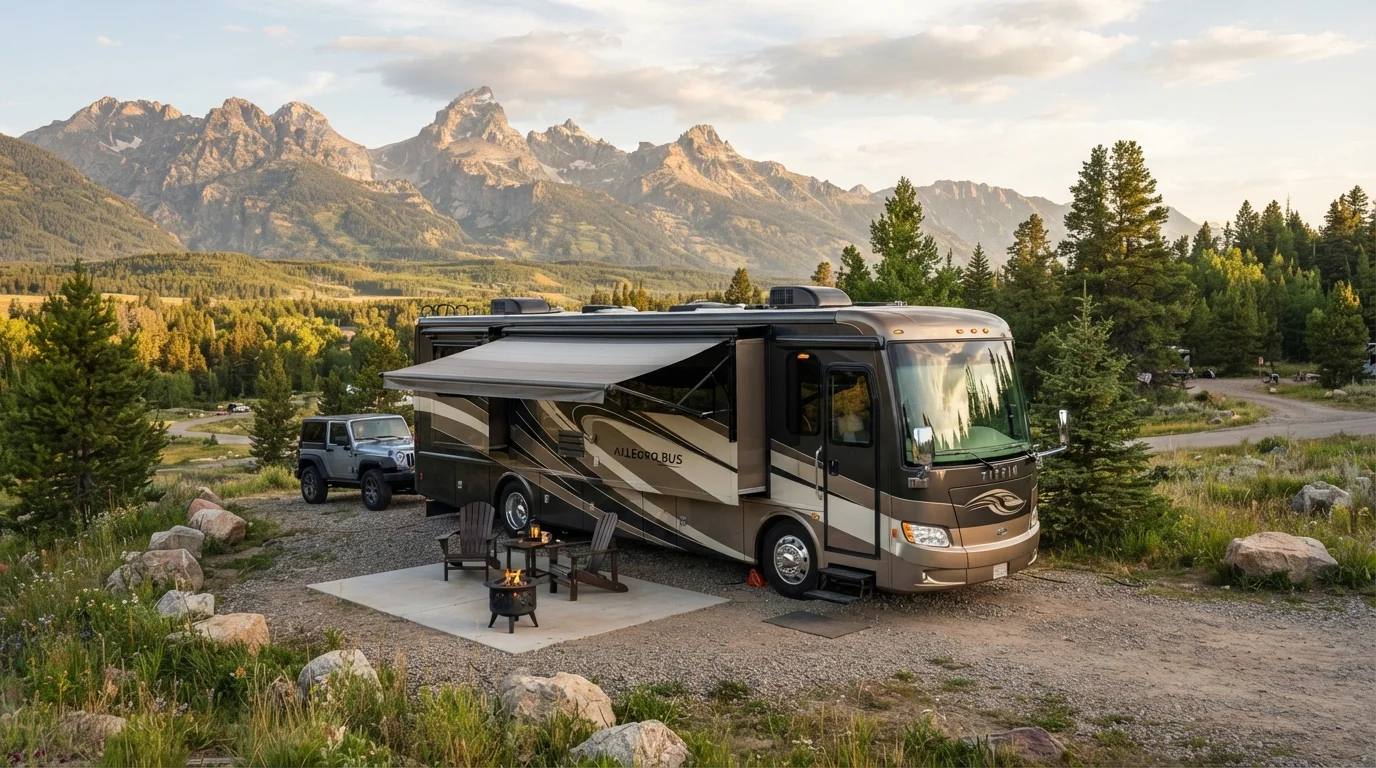
Class A motorhomes range from roughly 24 to 45 feet and commonly exceed 300 square feet of floor space - enough for a full residential-style kitchen, a dedicated bedroom, and multiple slide-outs that push walls outward when parked. Fifth wheels compete closely, with two-story nose sections that create genuine bedroom separation. Floor plan configurations vary widely within each class, so raw length is only part of the picture.
Class C motorhomes typically run 20-33 feet, with the distinctive over-cab bunk adding sleeping capacity without expanding the footprint. Travel trailers span a similar length range but deliver more usable floor area per foot because the engine and cab don't consume interior space. Class B vans - generally 19-24 feet - compress everything into a package where dual-purpose furniture does the work. Slide-outs can expand any class's livable area, but they add weight, maintenance complexity, and site-width requirements.
Drivability: Learning Curves and Daily Reality
Class B vans drive like a large passenger van - the shortest learning curve of any RV class, suitable for most holders of a standard driver's license with modest practice. Class C motorhomes sit on familiar truck platforms; the over-cab overhang requires height awareness, but most drivers adapt within a trip or two. Class A motorhomes demand the most adjustment - wide bodies, long wheelbases, and limited front visibility make tight turns and gas station maneuvering genuinely challenging for new drivers.
Towable RVs shift the dynamic entirely. The tow vehicle itself may be comfortable to drive, but adding a 30-foot trailer changes braking distances, backing behavior, and crosswind stability. Fifth wheels are generally more stable than bumper-pull trailers due to the forward hitch position, but both require real practice before highway confidence arrives. The motorhome versus towable decision ultimately hinges on whether you want to manage one integrated vehicle or a towing combination.
Practice Towing or Driving Before Committing
Many RV rental companies offer short-term rentals across all major classes. Renting the specific class you're considering - and driving it on routes similar to your planned trips - is one of the most reliable ways to pressure-test drivability assumptions before a purchase. A weekend rental can surface deal-breakers that a showroom walkthrough never will.
Ownership Costs: Purchase, Fuel, and Maintenance
Class A diesel pushers carry the highest price tags, often ranging from the mid-five figures for older gas models to well over $300,000 for new luxury coaches. Class C motorhomes typically enter at a lower price point and carry lower insurance premiums due to their smaller footprint. Class B vans have risen sharply in price in recent years - new purpose-built models often exceed Class C pricing - but their fuel economy is significantly better, typically 18-24 MPG versus 7-12 MPG for a Class A.
Towables split the cost equation: the trailer itself may be less expensive than a comparably equipped motorhome, but the required tow vehicle is a real additional cost. Each towable category places specific demands on the tow vehicle, and an underpowered or improperly rated vehicle creates safety risks. Maintenance costs follow complexity - motorhomes carry drivetrain, chassis, and living-unit expenses in one bill, while towables let owners separate those costs but add hitch wear and brake controller maintenance.
7-12 MPG
Typical Class A gas motorhome fuel economy
Fuel consumption is one of the largest ongoing operating costs for Class A owners, particularly on long-distance drives.
35 ft
Common campsite length limit at many national parks
Many developed national park campgrounds post maximum length restrictions that effectively exclude larger Class A and fifth-wheel rigs from certain sites.
~$300K+
New Class A diesel pusher price range (high end)
Entry-level Class A gas models can be found significantly lower, but new luxury diesel coaches routinely exceed this figure, representing the widest cost range of any RV class.
Campsite Fit: Where Each Class Can and Can't Go
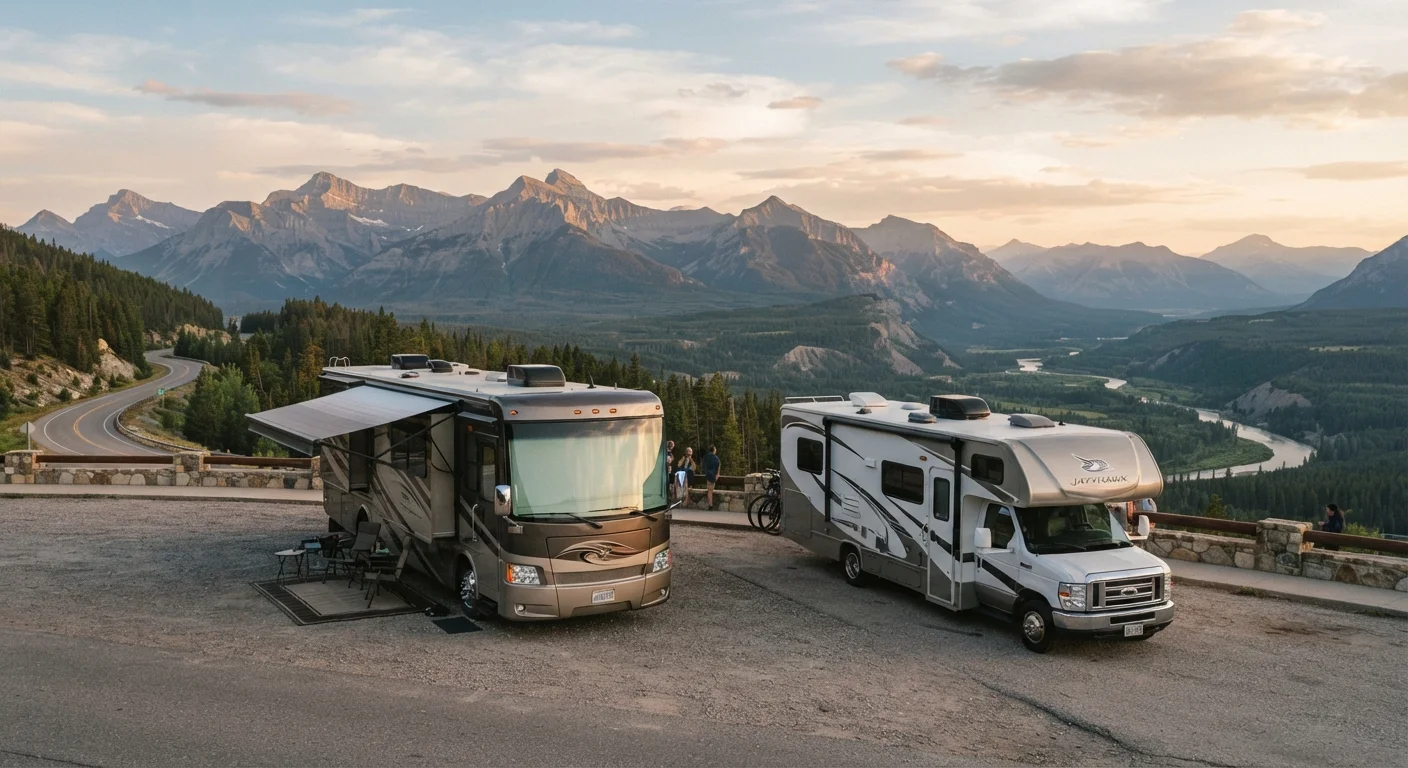
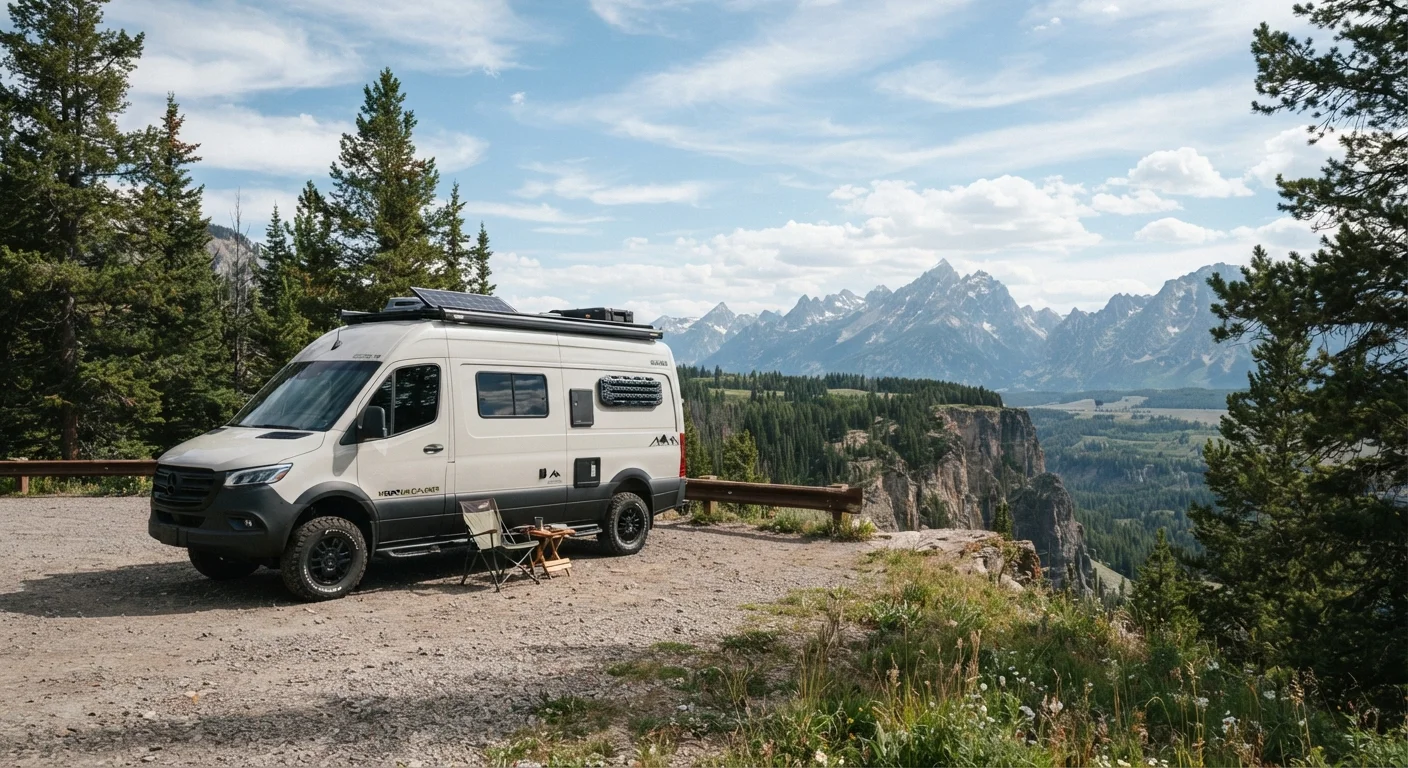
Site access is the constraint most first-time buyers underestimate. Many national park campgrounds cap pull-through site lengths at 35-40 feet, and back-in sites can be tighter still. A 45-foot Class A with slide-outs extended may be physically unable to fit, or may require hookup sites with extra site width. Class B vans access essentially all campgrounds, including primitive dispersed sites on national forest roads where size limits are effectively set by the road itself.
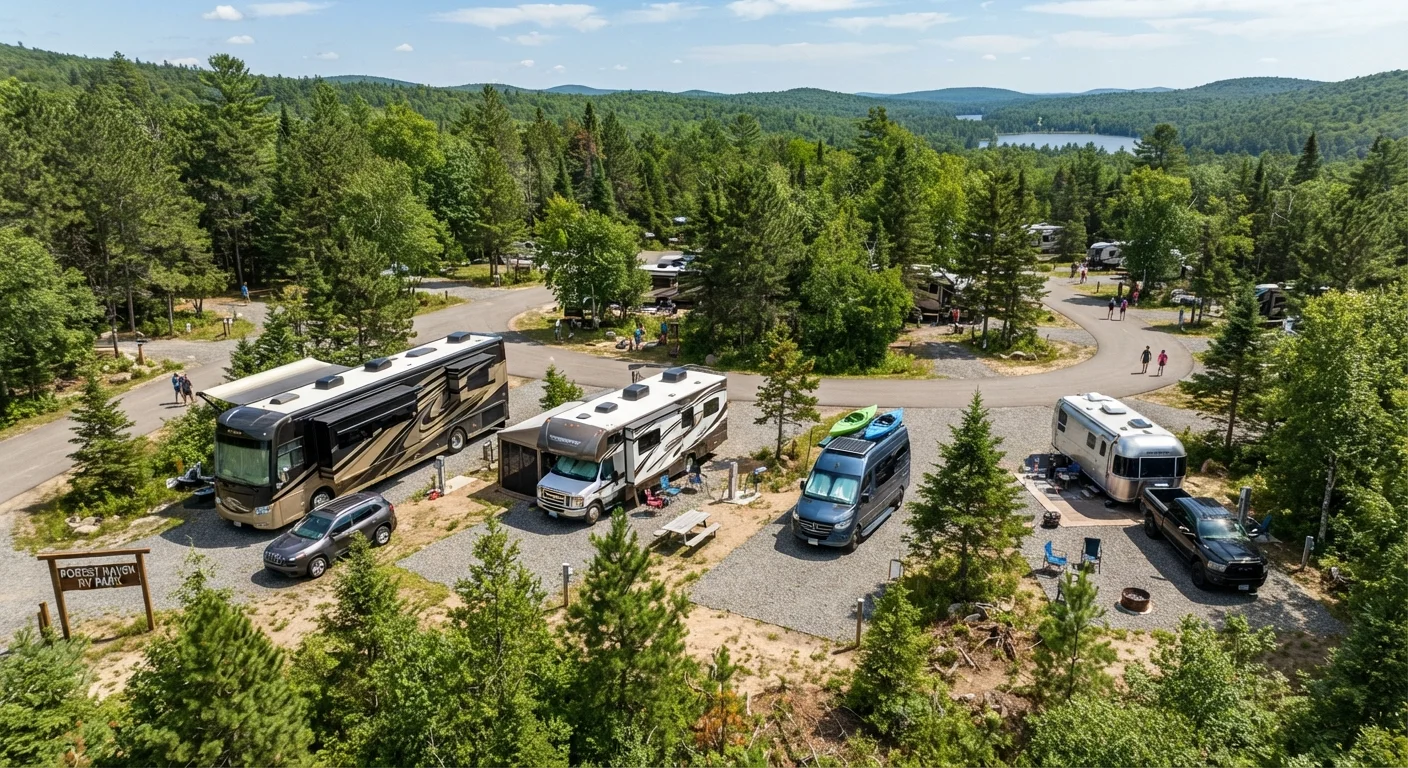
Class C motorhomes in the 25-30-foot range fit comfortably in the majority of developed campgrounds. Travel trailers vary by length - a 22-foot trailer towed by a mid-size SUV has very different site access than a 38-foot fifth wheel requiring a dually pickup. Matching your preferred destinations to your RV class before purchase prevents discovering the mismatch after you've committed. Common misconceptions about what each class can access are worth reviewing to stress-test assumptions.