A Typical Day Looks Nothing Like the Highlight Reel
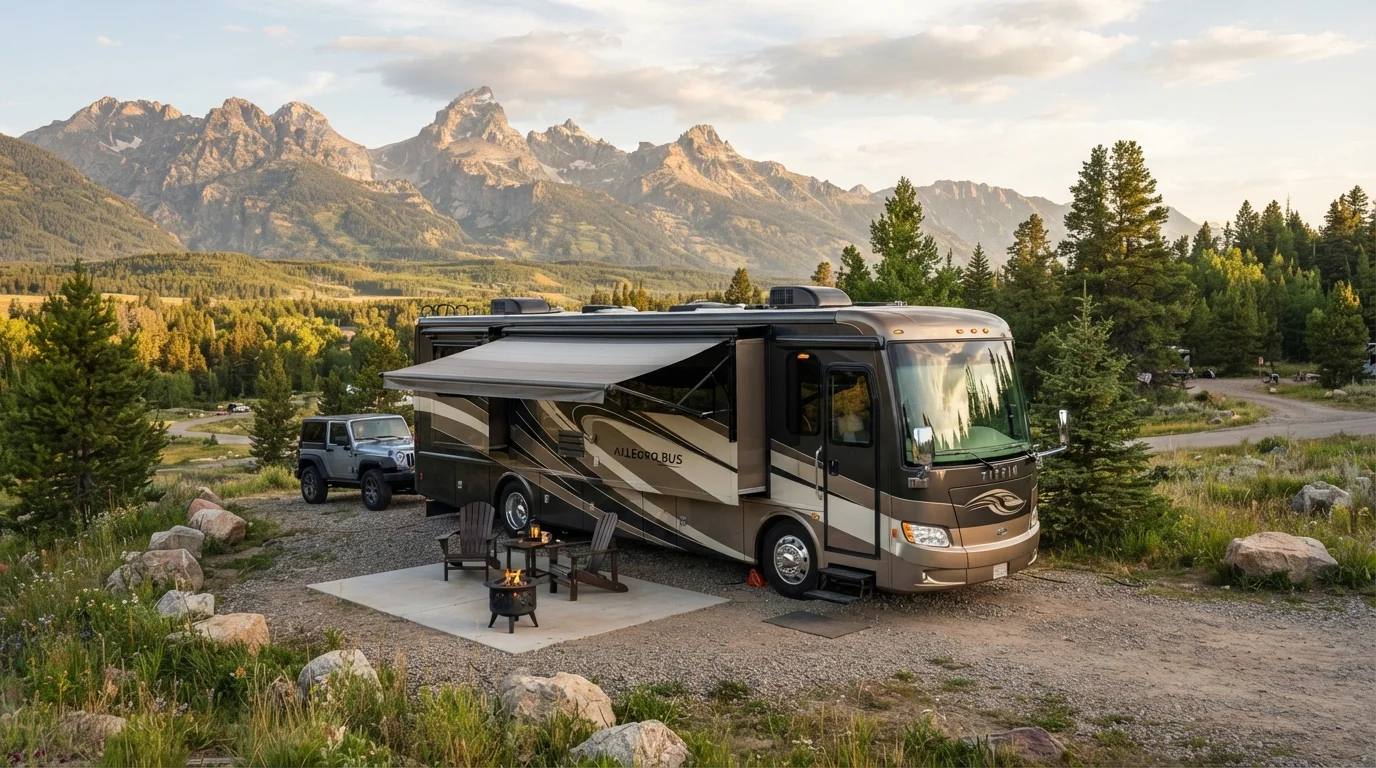
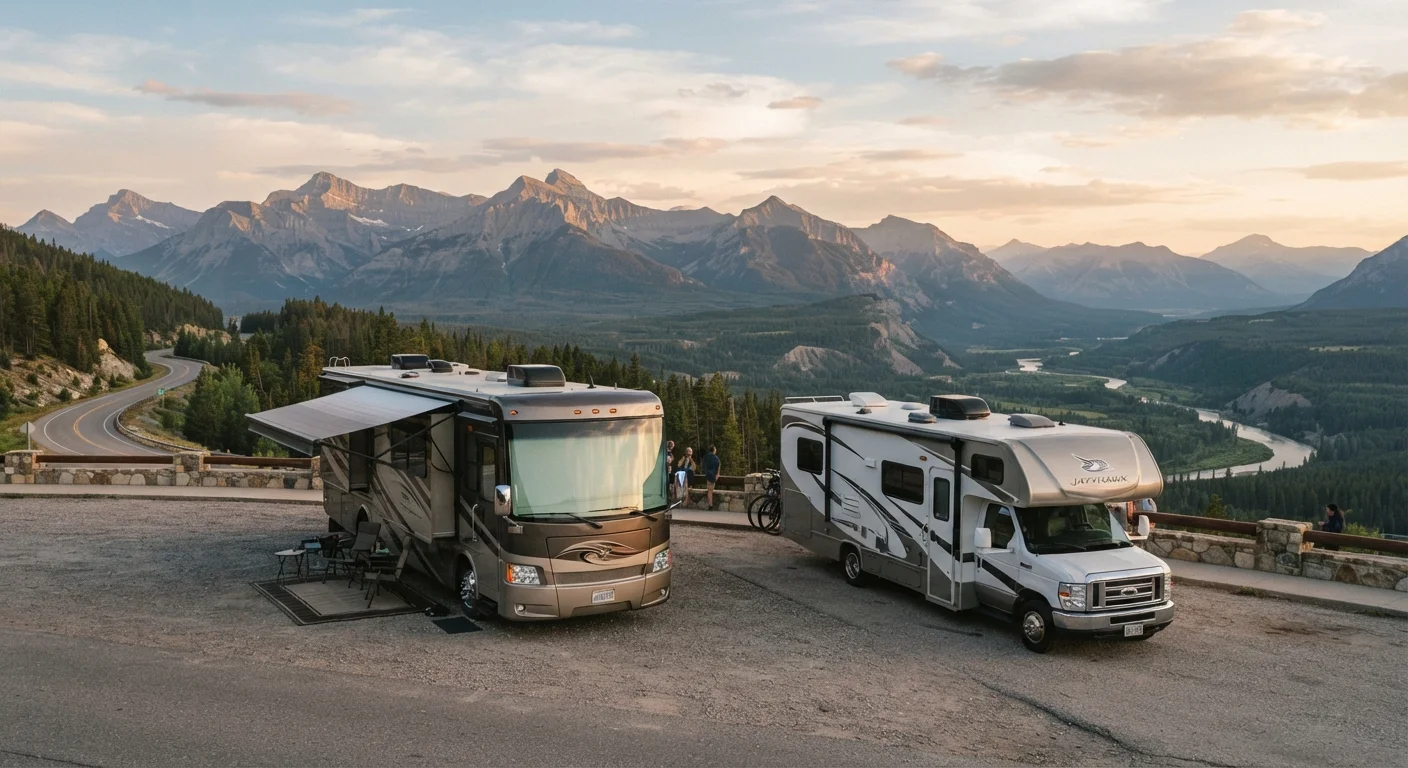
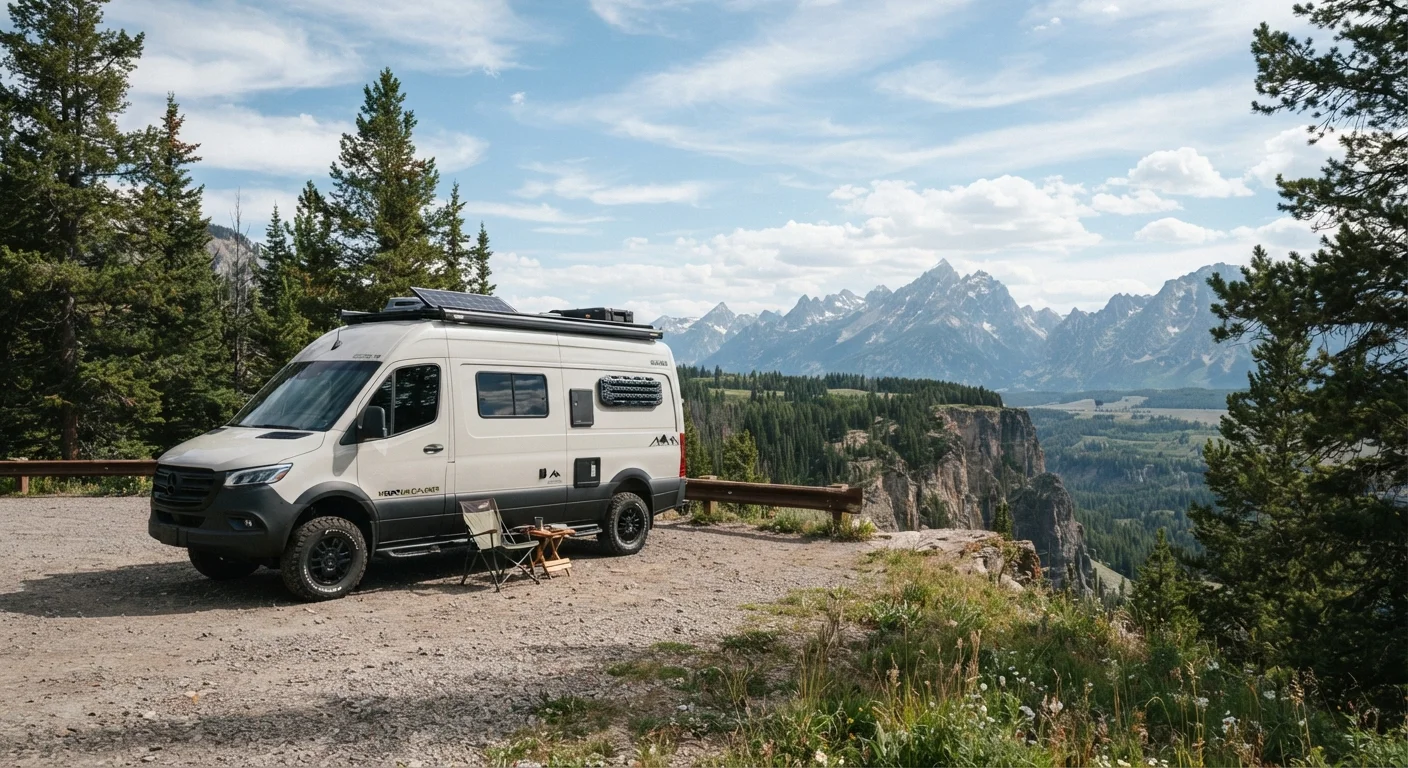
Social media portrays full-time RV living as a montage of dramatic sunsets and pristine wilderness mornings. The actual day-to-day is considerably more mundane - and that's not a criticism. It's simply a different kind of ordinary.
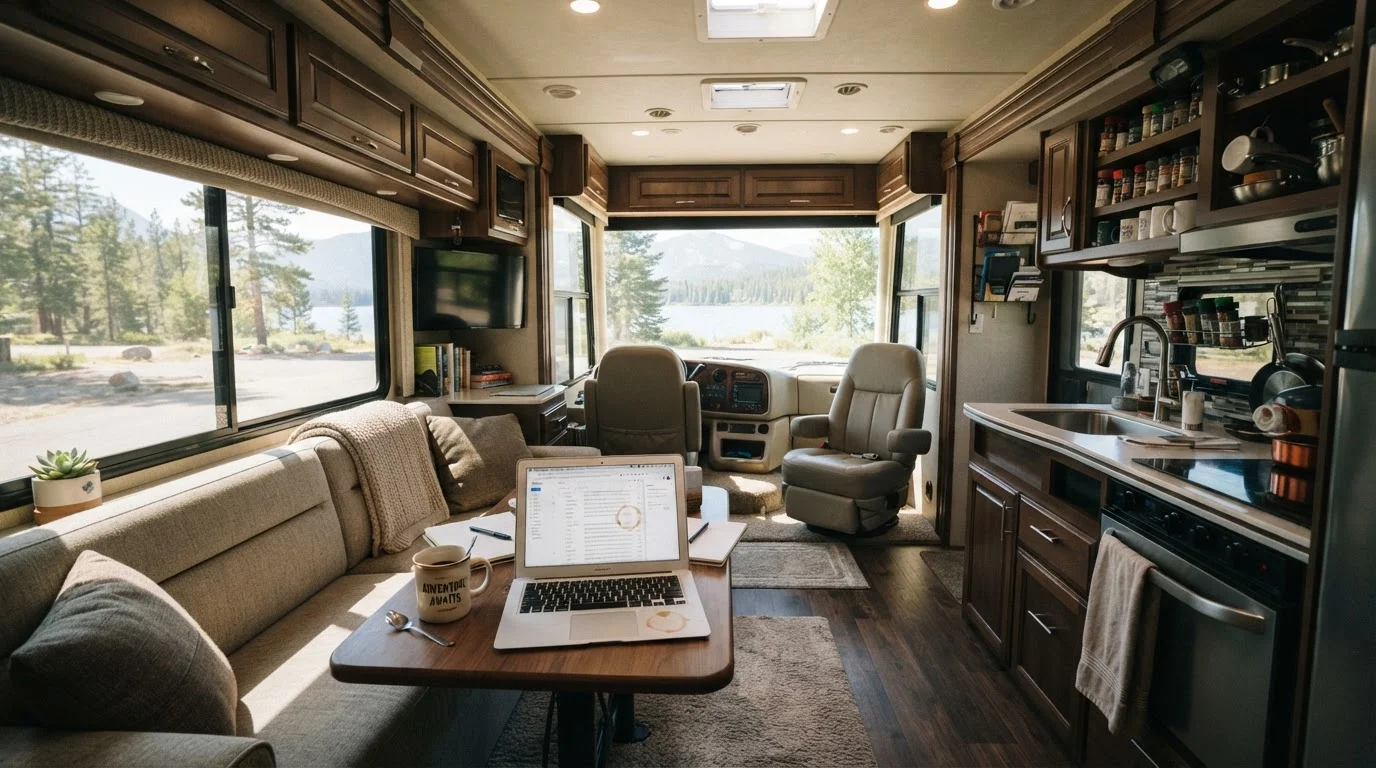
A realistic morning in a full-time rig often starts with checking tank levels: freshwater, gray water, black water. If you're on hookups at a campground, power is a given; if you're boondocking off-grid, battery state of charge shapes every decision you make before noon. Breakfast is cooked in a compact galley kitchen that requires deliberate organization to function smoothly. Dishes get done immediately, because counter space doesn't allow for a sink full of plates.
For those working remotely, the workday begins after confirming cellular signal or campground Wi-Fi holds up. Many full-timers build their travel routes specifically around connectivity - a reality that differs significantly from the weekend warrior experience. Afternoons may involve laundry at a coin-op facility, a trip to a nearby town for groceries, or a few hours of genuine exploration - the moments that make the lifestyle worthwhile.
Build Your Morning Tank-Check Habit Early
Establishing a consistent routine for checking water, power, and waste tank levels each morning prevents unpleasant surprises and helps you make better decisions about when and where to move. Most experienced full-timers treat it as automatic as making coffee - it takes less than two minutes once it becomes habit.
Systems Management Is a Daily Responsibility
Every full-timer becomes, out of necessity, a capable operator of their rig's core systems. Propane levels govern the stove, furnace, and water heater in most units. Freshwater tanks need refilling; gray and black tanks need dumping on a schedule that depends on usage and campground access. Electrical systems - whether 30-amp or 50-amp shore power, solar panels, or generator backup - require basic literacy to avoid tripped breakers, dead batteries, or refrigerator failures.
This is not as daunting as it sounds after a few weeks, but it does represent a genuine shift from conventional homeownership where utilities are largely invisible. Full-timers who approach these systems as interesting puzzles tend to adapt quickly. Those who find the maintenance overhead draining may want to honestly evaluate whether the lifestyle aligns with their temperament.
1M+
Americans living full-time in RVs
Industry surveys and RV Industry Association estimates consistently place the full-time RV population in the low millions in the United States, though exact figures are difficult to verify given the lack of formal census tracking.
~$1,500
Estimated monthly campground cost for full-timers
Monthly campground fees vary widely by region and hookup type, ranging from under $500 at budget parks to over $2,000 at resort-style locations; $1,500 is a commonly cited mid-range estimate among full-timers.
70%
Full-timers who work remotely or are retired
Informal surveys within RV communities suggest the large majority of full-timers are either retirees or remote workers, as location flexibility is a prerequisite for the lifestyle.
For a deeper look at the financial side of maintaining these systems, see our coverage of the hidden ongoing costs of full-time RV life.
Location Strategy: Following Weather, Not a Calendar
One of the most practical decisions full-time RVers make is where to be and when. Unlike vacation travel, full-time living requires thinking about climate livability. Summers in the desert Southwest are brutal; high-altitude locations in the Rockies become inaccessible in winter. Most experienced full-timers develop a seasonal rhythm - moving north or to higher elevations in summer, heading south or toward coastal regions in winter.
This pattern, often called snowbirding when applied to winter migrations toward warm-weather states, shapes campground availability, fuel costs, and daily comfort in significant ways. How full-timers navigate seasonal migrations across regions is its own strategic undertaking, involving advance reservations, route planning, and an awareness of campground reservation windows - some popular parks book out months ahead.
Social Life, Community, and the Isolation Factor
Full-time RV living can be deeply social or genuinely isolating, depending almost entirely on how intentional the individual is about connection. Campground communities often form organically - neighbors share tips, tools, and impromptu dinners. RV rallies, regional meetups, and online forums create extended communities that many full-timers describe as among the most meaningful relationships they've built.
At the same time, frequent location changes mean friendships require active maintenance across distance. Family relationships can feel strained if visits require significant travel planning. Those who transition from a dense social environment - a neighborhood, an office, a town they've lived in for years - often underestimate the adjustment this requires. The social and psychological adjustments of downsizing into an RV are among the most consistently underestimated aspects of the transition.
“The RV community is one of the most generous and helpful I've encountered - but you have to show up for it. Connection doesn't happen automatically just because you parked next to someone.”
— A full-time RVer contributing to community forums on the adjustment from fixed-address life, Long-term full-time RV resident and online community contributor
Practical Logistics That Require Planning Before You Leave
Beyond the experiential side, full-time RV living involves a layer of administrative logistics that don't resolve themselves. Establishing a domicile state matters for vehicle registration, driver's licensing, and taxes. Health insurance without an employer plan - or without access to a fixed-location provider network - requires careful research. Mail forwarding, often handled through a specialty service in your domicile state, needs to be set up before you move out of your current residence.
Vehicle registration for the RV itself, and for any tow vehicle or toad (a car towed behind a motorhome), varies in complexity by state. A structured pre-departure checklist covering registration, insurance, healthcare, and emergency preparedness can prevent the most common and costly oversights. If you're still deciding which type of rig fits this lifestyle, reviewing RV classes and their differences is a useful starting point.