What Seasonal Migration Means for Full-Timers
For most people, the seasons happen to them. For full-time RVers, seasons are something to be strategically navigated - or sidestepped entirely. Seasonal migration in the RV world refers to the practice of timing regional moves around climate, using geography as a thermostat. It's a defining characteristic of the full-time lifestyle and one that separates extended RVers from weekend travelers.
The practice isn't about restlessness. It's about comfort, cost management, and getting the most from the places you visit. A campsite in the Arizona desert is an entirely different experience in October than it is in August. Understanding this rhythm is central to planning a sustainable life on the road, as explored in our guide on what full-time RV life actually looks like day to day.
Domicile State Considerations
Seasonal migration across state lines doesn't change your legal domicile - the state where you're registered, licensed, and taxed. Full-time RVers need to establish a domicile state regardless of where they physically travel. This has downstream effects on mail forwarding, vehicle registration, and voting. Our guide on domicile state rules for full-time RVers covers the key decisions involved.
Snowbirding: The Classic Winter Migration South
Snowbirding is the best-known form of seasonal RV migration. As temperatures drop across northern states, a large segment of the full-timing community moves into the Sun Belt - primarily Arizona, Texas, Florida, and New Mexico. RV parks in towns like Quartzsite, Arizona and the Rio Grande Valley in Texas swell dramatically between November and March, functioning almost as seasonal communities with their own social rhythms.
The appeal is straightforward: mild daytime temperatures, minimal risk of frozen water lines or propane delivery issues, and access to outdoor activities year-round. Many snowbirds secure their spots months in advance, particularly at membership campgrounds and popular state parks where reservation windows fill quickly.
1M+
Full-time RVers estimated in the US
Industry surveys and RV Industry Association data have consistently pointed to over one million Americans living in RVs as their primary residence, though precise figures vary by methodology.
~10°F
Temperature drop per 1,000 ft elevation gain
The standard environmental lapse rate means RVers can find significantly cooler temperatures simply by moving to higher elevations, a common summer migration strategy.
The financial dimension matters too. Heating an RV through a northern winter - running propane, electric heat strips, or skirting the rig to insulate the underbelly - carries real costs. Moving south often reduces those expenses, though higher campground fees in popular Sun Belt destinations can partially offset savings. See our companion piece on the hidden costs of full-time RV living for a fuller breakdown.
Summer Migrations: Chasing Cool Air North and Uphill
When desert temperatures push above 100°F and southeastern humidity becomes punishing, full-timers tend to reverse course. Summer migration typically carries RVers into the northern Rockies, the Upper Midwest, New England, and the Pacific Northwest - or simply upward in elevation, where a few thousand feet of altitude can drop ambient temperatures by 10-15°F.
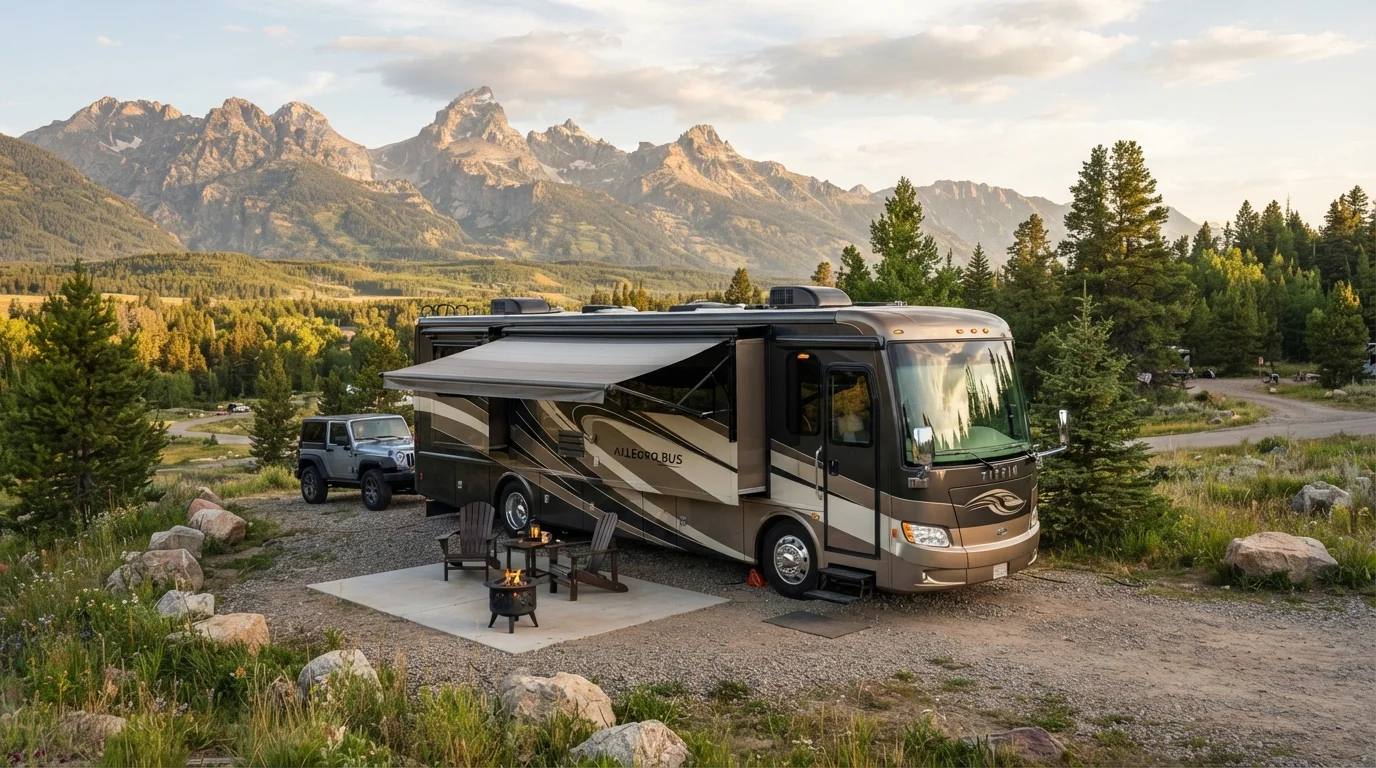
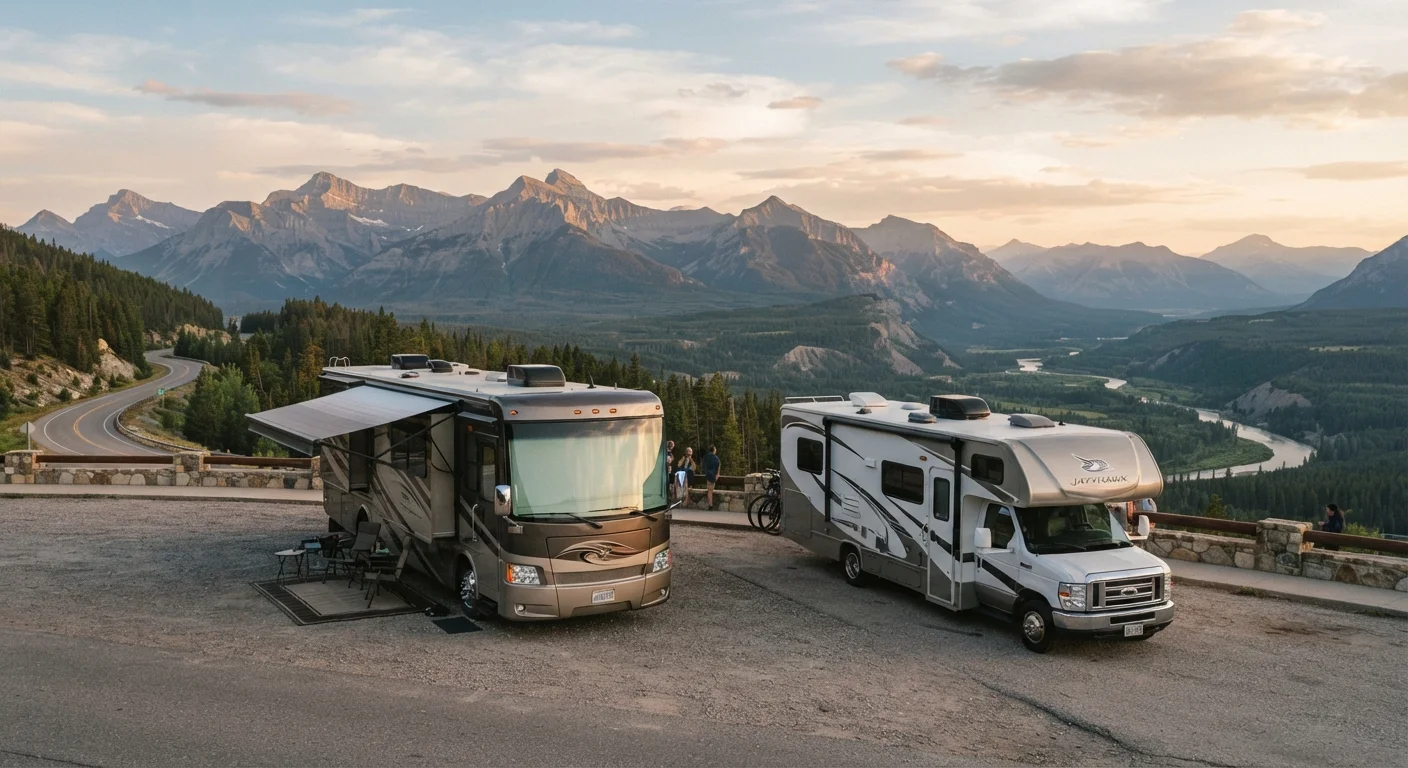
Mountain destinations - Colorado's high country, Montana's Glacier region, Oregon's Cascades - provide cool summers and dramatic scenery, but require advance planning. National park campgrounds and popular forest service sites in these areas often book out months ahead during peak season. Higher elevation also means shorter seasons; snow can arrive in September at altitude, compressing the usable window.
Book Mountain Sites Early
Popular high-elevation campgrounds in national forests and national parks routinely fill their reservation windows the moment they open - sometimes six months in advance. If summer mountain travel is central to your seasonal plan, build reservation research into your late-winter routine rather than waiting until spring.
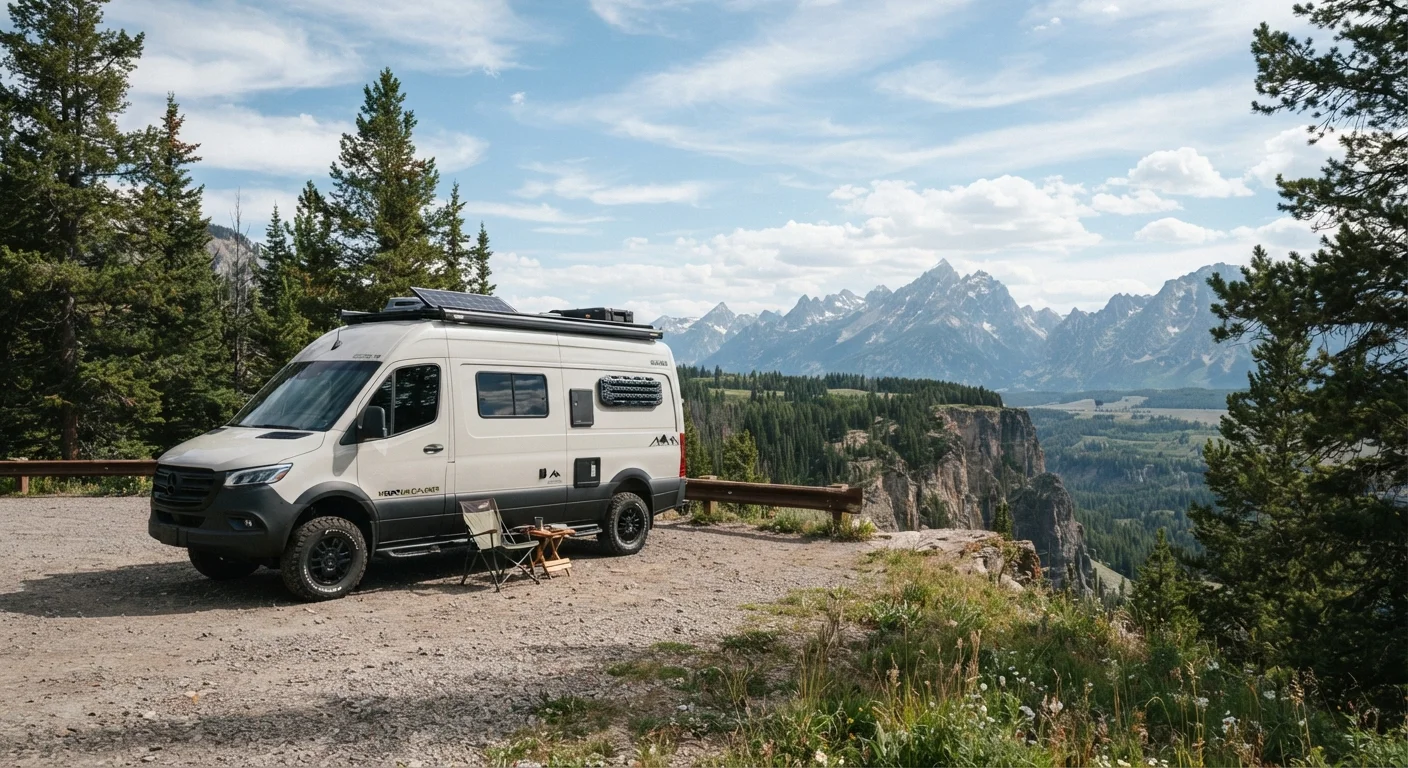
The RV you travel in shapes how well this migration strategy works. A large Class A motorhome may struggle on steep mountain grades or in sites designed for shorter rigs, while a compact travel trailer or Class B van offers access to more terrain. Our overview of matching an RV class to your travel style covers how rig type intersects with the places you want to go.
Shoulder Seasons: The Underrated Migration Window
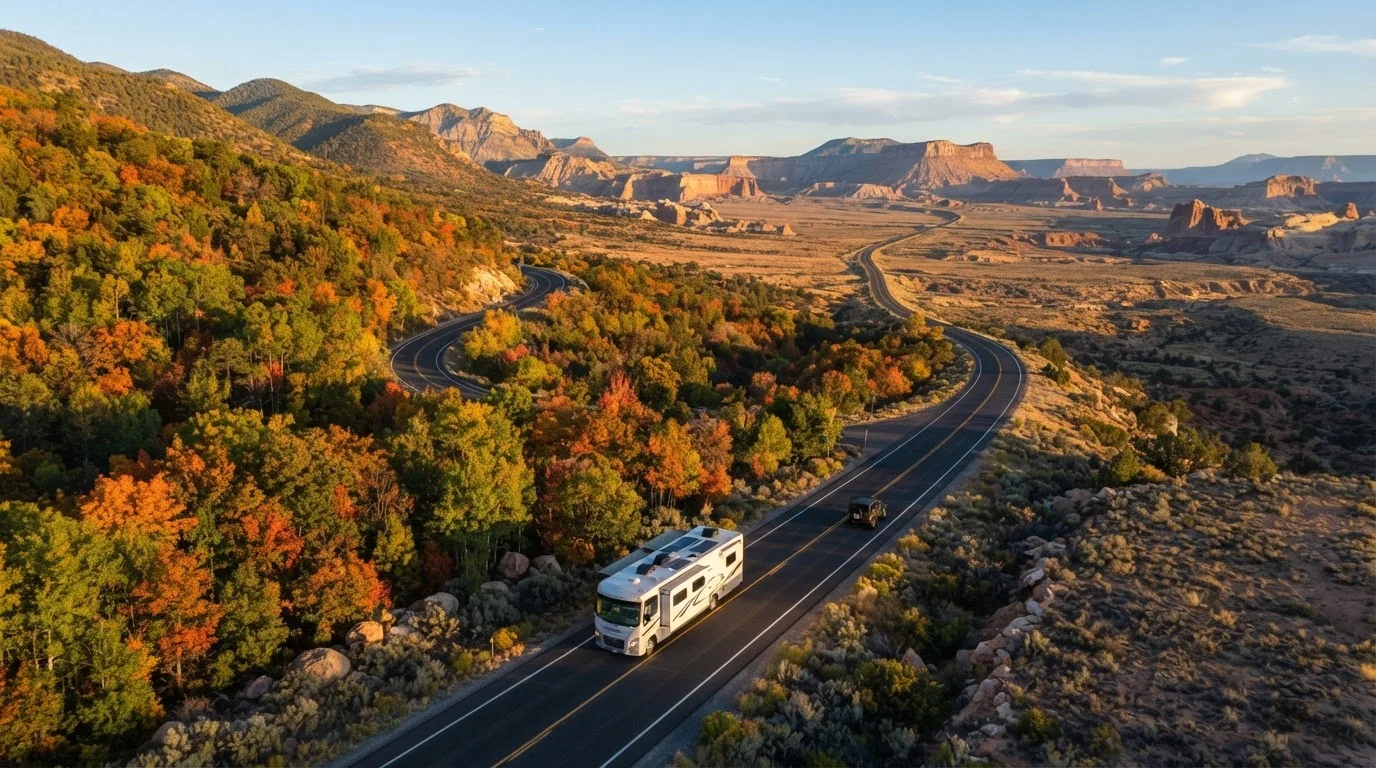
April-May and September-October represent what experienced full-timers often consider the best travel windows. Campgrounds are less crowded, reservation pressure eases, and the weather in most regions sits in a comfortable middle range. Coastal destinations, mid-elevation parks, and the Great Plains corridor all become accessible without the summer competition or winter chill.
Shoulder-season travel does require flexibility. Weather variability is higher - a late spring snowstorm in the Rockies or an early fall cold snap in the Upper Midwest can complicate plans. This is also when RVers should pay close attention to tire pressure, since temperature swings during transitional months affect inflation in ways that are easy to overlook. For the technical detail behind this, see how seasonal temperatures affect tire pressures.
For those weighing the full-time versus part-time decision, shoulder-season windows are often where part-timers can get the most value from extended trips, aligning vacation time with optimal regional conditions. The trade-offs between these two approaches are examined in detail in our guide on part-time vs. full-time RVing.