Origins and Intent: Where These Two Traditions Come From
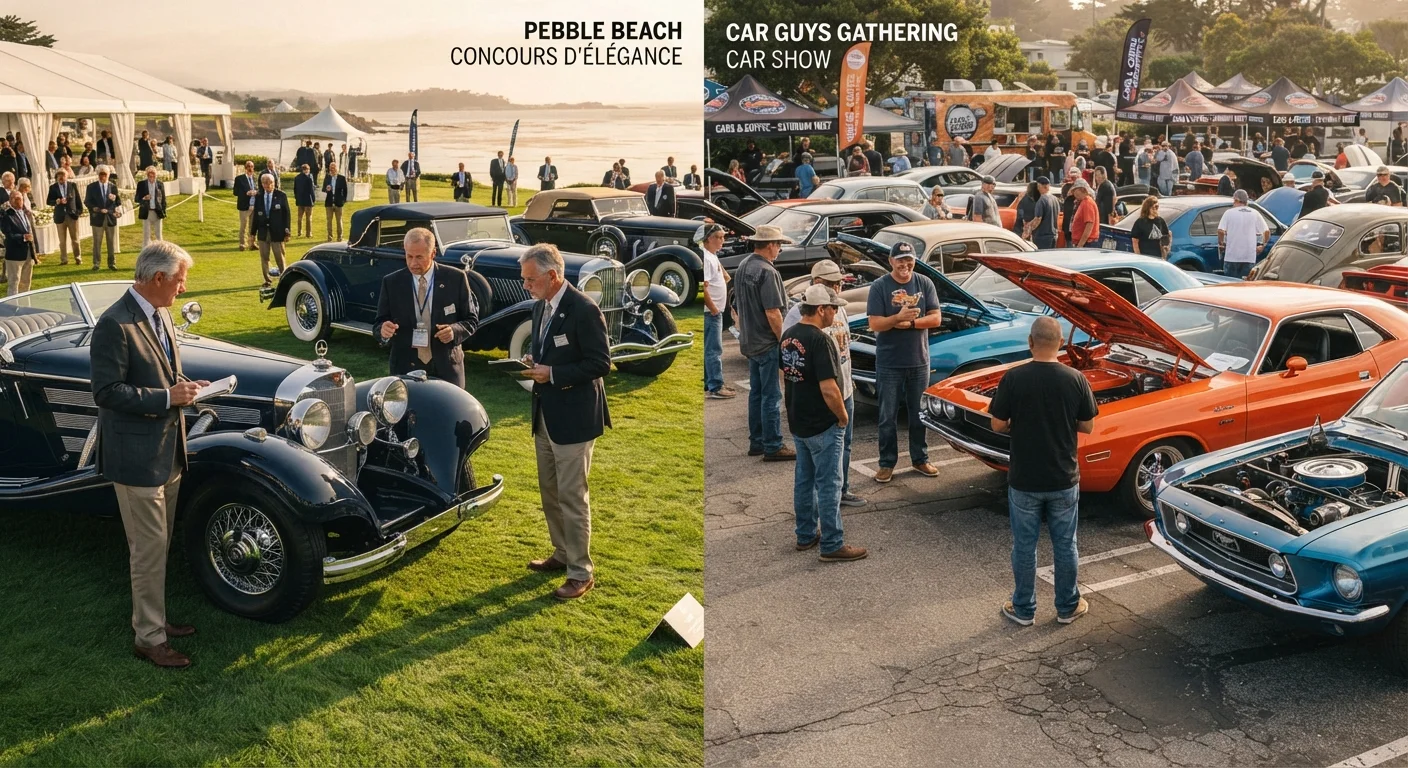
The term concours d'élégance - French for "competition of elegance" - traces its roots to 17th-century France, where horse-drawn carriages belonging to Parisian aristocracy were paraded and informally judged for refinement. As the automobile emerged in the early 20th century, the concept transferred naturally to motor cars. Events in Europe during the 1920s and 1930s rewarded coachbuilt elegance and technical sophistication, establishing a template that prestigious gatherings still follow today.
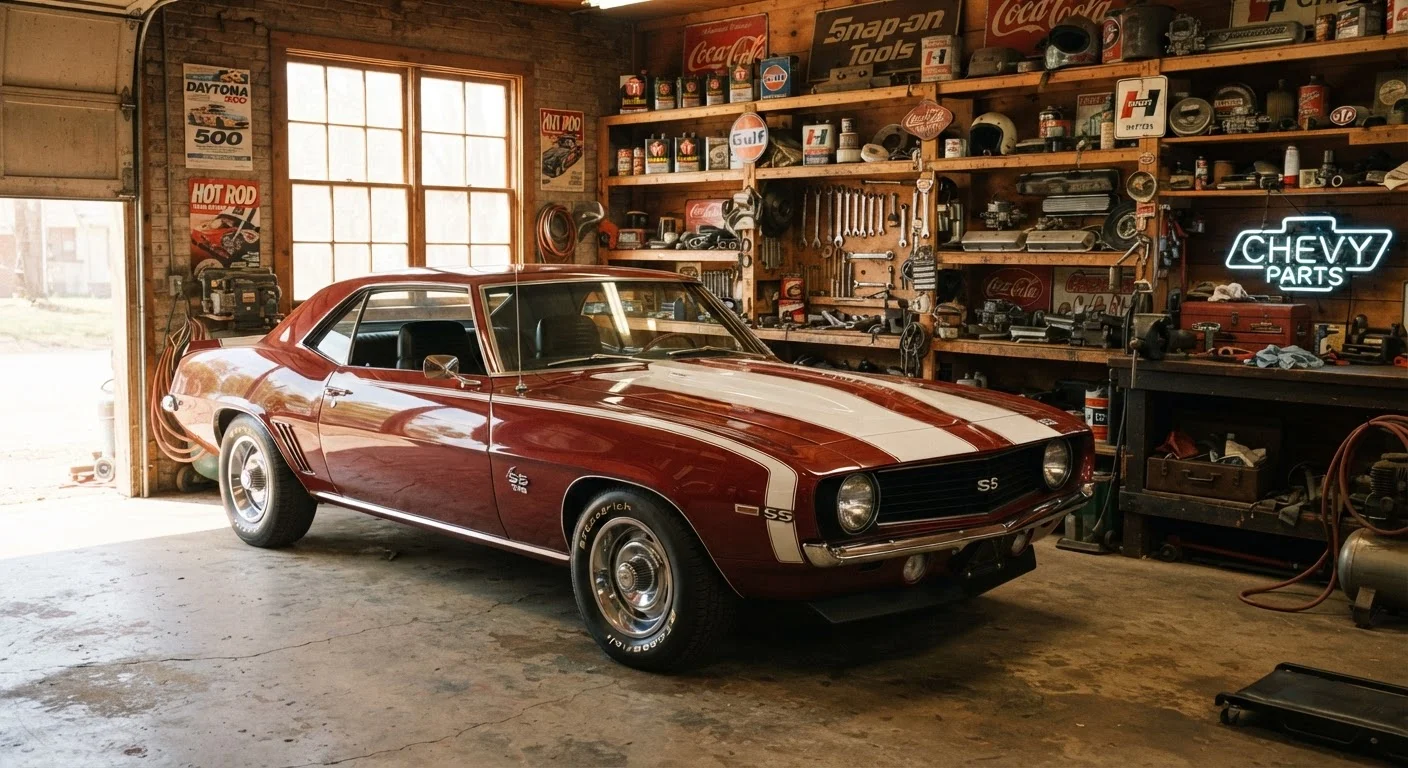
The broader car show tradition is less formal in its lineage. American car culture of the postwar era - fueled by the rise of hot rodding, the growth of automobile clubs, and a genuine grassroots enthusiasm for the automobile - gave rise to informal gatherings wherever enthusiasts could find open pavement. These events were never about competition in the concours sense; they were about shared passion and community. That distinction between elevation and celebration remains the clearest line separating the two formats. For a broader look at how car culture expresses itself in informal settings, see the unwritten norms of casual enthusiast meets.
Judging Standards: Authenticity vs. Appreciation
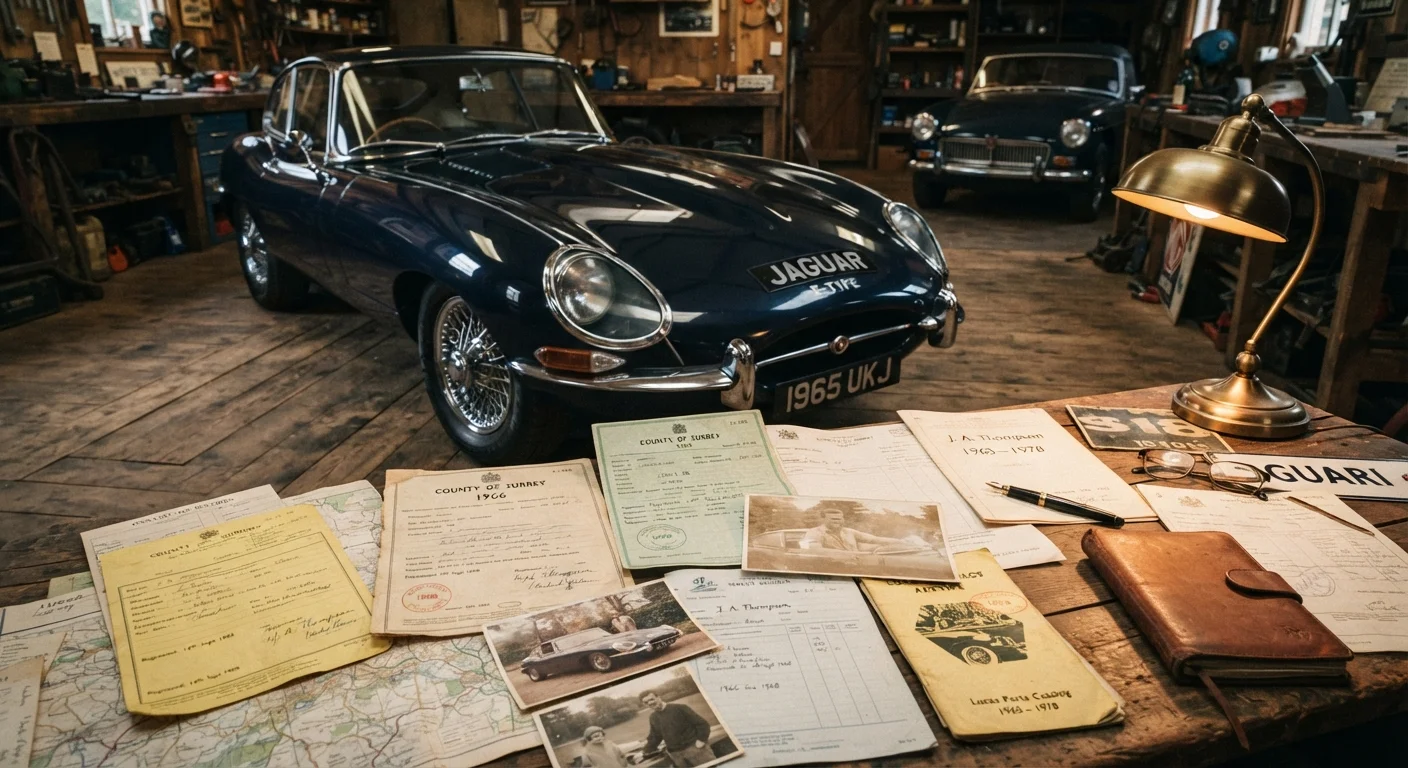
At a concours d'élégance, judging is a rigorous, structured process. Evaluators - often specialists in specific marques or eras - assess vehicles across categories including paint and finish, chrome and brightwork, engine bay presentation, interior condition, underbody cleanliness, and critically, originality and provenance. A car with correct, documented factory components will consistently outscore a beautifully finished vehicle using period-incorrect parts, regardless of how stunning it looks. The debate between preservation and restoration is particularly alive in the concours world, where a car showing honest, unrestored patina may be entered in a separate preservation class.
| Criterion | Concours d'Élégance | Car Show |
|---|---|---|
| Judging format | Formal, expert panel scoring | Peer vote, informal panel, or none |
| Originality requirement | Strict - factory-correct components essential | Flexible - modifications often welcome |
| Provenance documentation | Heavily weighted in scoring | Rarely required or assessed |
| Vehicle transport to event | Typically trailered, not driven | Usually driven to the event |
| Preparation time | Hundreds of hours for serious entries | Varies widely by owner ambition |
| Atmosphere | Formal, structured, competitive | Casual, social, community-focused |
| Vehicle eligibility | Selective by class and criteria | Broadly inclusive across eras and types |
| Primary appeal | Validation and peer recognition | Shared enthusiasm and connection |
Car shows, by contrast, operate on a much wider spectrum. Some events use participant voting - attendees choose their favorites from a field. Others rely on a small panel of local judges applying broadly subjective criteria. Many events are simply displays, with no competitive element at all. The emphasis falls on variety, storytelling, and the enthusiasm behind each vehicle rather than its technical fidelity to factory specifications.
Understanding how vehicles are formally classified - vintage, antique, historic - can help both concours entrants and car show participants enter the right category. Classification systems explained covers this in detail.
Preparation, Presentation, and the Day-of Experience
The preparation required for a serious concours entry is genuinely demanding. Owners and their teams may spend hundreds of hours on a single vehicle - cleaning components invisible to casual observers, sourcing period-correct hardware, compiling ownership documentation, and coordinating with marque experts. The vehicle is almost always transported by enclosed trailer; driving it to the event risks road debris, tire marks, or brake dust that could affect scoring. On the show field itself, even touching the car incorrectly can be a concern - white-glove presentation standards are common at major events. For a deeper look at what evaluators actually examine, concours judging criteria explained is an essential resource.
100+
Judging criteria at major concours events
Established concours events such as Pebble Beach routinely evaluate vehicles across more than 100 individual criteria spanning mechanical, cosmetic, and documentation categories.
1950s
Decade American car shows took root
The postwar boom in automobile ownership and hot rod culture helped establish the grassroots car show as a defining feature of American enthusiast culture throughout the 1950s.
~200
Vehicles displayed at top concours events
Prestigious concours events typically display between 150 and 250 vehicles selected through an application and jury process, reflecting the exclusivity of the format.
Car shows ask far less of participants in terms of preparation - though dedicated enthusiasts still detail their vehicles carefully and take pride in presentation. The atmosphere is open and accessible: owners stand beside their cars, answer questions, share history, and connect with other enthusiasts. Kids can get close. Conversations start easily. The social fabric of these events is, for many participants, the primary draw.
For context on the vehicles that tend to dominate both formats, the divergent philosophies of European and American classics offers useful background.
Which Tradition Is Right for Your Vehicle - and You?
Neither format is inherently superior; they serve different purposes within the same culture of appreciation. A concours environment rewards years of disciplined preservation work and offers meaningful recognition from peers with deep expertise. It is, by design, competitive and exclusive - not every vehicle qualifies, and not every owner wants that level of scrutiny.
Car shows offer something equally valuable: an open door. They are where many collectors first developed their passion, encountered vehicles they'd only read about, and found the community that sustains the hobby across generations. An event that celebrates a barn-find pickup with the same enthusiasm as a concours-prepped prewar Packard is doing something important for car culture's long-term health.
For anyone looking to understand the full landscape of these events - from local club gatherings to the most prestigious show fields in the country - the complete guide to classic car shows and concours events provides an excellent overview. And for a foundation in how classic vehicles are categorized in the first place, the classics hub is a strong starting point.
Preservation Classes Bridge the Gap
Many concours events now include dedicated preservation or 'survivor' classes for unrestored vehicles that retain original finishes, patinas, and components. This reflects a broader shift in collector values toward documented originality over cosmetic perfection. A well-preserved unrestored example can compete - and win - at the highest levels without undergoing a full restoration, acknowledging that authenticity and condition are not always the same thing.