Design as a Mirror of Its Time
Automotive design has never existed in a vacuum. Every silhouette, grille, and trim choice reflects the cultural anxieties, technological ambitions, and aesthetic appetites of its era. Understanding what made each decade distinctive is fundamental to understanding what earns a car timeless status.
Far from mere styling exercises, the landmark design shifts in automotive history track alongside postwar optimism, Cold War competition, the oil crisis, and the rise of the global market. Each period left fingerprints that collectors, restorers, and enthusiasts still trace today.
| First professional auto stylist | Harley Earl, General Motors (appointed 1927) (General Motors design history) |
| Decade most associated with tailfins | 1950s (U.S. market) (Automotive design history) |
| Design movement replacing chrome excess | Wedge form, mid-1960s onward (European and Japanese design archives) |
| Major design turning point | 1973-74 oil crisis accelerated aerodynamic efficiency priorities (U.S. automotive industry records) |
| Coachbuilding tradition origin | Prewar Europe; Italy most influential postwar (Automotive design history) |
The 1930s-40s: Streamlining and Prewar Elegance
The interwar years introduced streamlining - the application of aerodynamic principles to body shapes. Influenced by aviation and rail design, coachbuilders began replacing boxy, upright forms with flowing fender lines and integrated headlamps. Pontoon fenders - where front and rear fenders merged continuously into the body - began appearing in the late 1930s, anticipating the fully flush bodies of the postwar era.
Prewar coachwork also reflected a stratified market: bespoke bodies crafted in small numbers for wealthy buyers sat at one end; mass-produced utility at the other. This was the last true age of hand-formed aluminum panels and individually commissioned designs, a tradition that European coachbuilders especially kept alive well into the 1950s.
The 1950s: Chrome, Fins, and the Jet Age
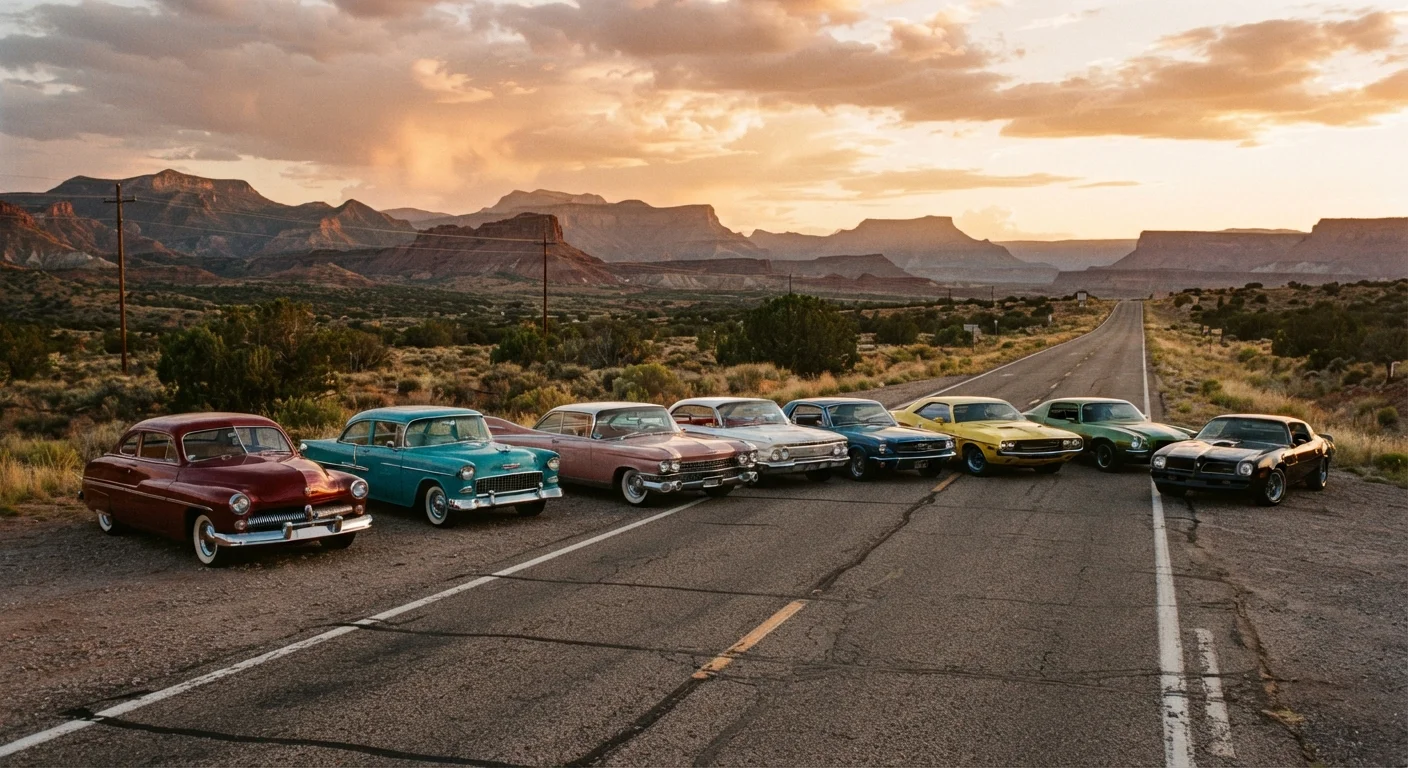
No decade is more visually synonymous with "classic car" than the 1950s. American manufacturers in particular leaned into postwar prosperity with exuberant ornamentation: sweeping tailfins inspired by military aircraft, acres of bright chrome, two-tone paint schemes, and wraparound windshields. General Motors' Harley Earl - widely credited as the first professional automotive stylist - championed this language of optimism and motion-at-rest.
European design took a different path. Italian coachbuilders refined the berlinetta and spyder forms with restrained elegance, prioritizing proportion over spectacle. These contrasting philosophies - excess versus refinement - define the transatlantic design divide that persists in collector culture today.
Streamlining
The application of aerodynamic principles to body design, reducing wind resistance by using smooth, flowing shapes. Became influential in automotive design during the 1930s, inspired by aviation and rail transport.
Tailfin
A raised, fin-like extension at the rear of a vehicle body, popular in American car design during the 1950s. Inspired by military aircraft, tailfins became a symbol of postwar optimism and forward motion.
Wedge design
A body style characterized by a low front end rising toward a higher rear, creating a triangular profile. Became prominent in European and Japanese sports car design during the late 1960s and 1970s.
Coachbuilder
A specialist craftsperson or firm that constructs custom vehicle bodies, typically fitted to a manufacturer-supplied chassis. Coachbuilding was central to high-end automotive design before the dominance of mass production.
Pontoon fenders
A body design in which the front and rear fenders are integrated smoothly into the main body sides, replacing earlier separate, bolt-on fenders. Emerged in the late 1930s and became standard through the 1950s.
Berlinetta
An Italian coachbuilding term for a lightweight, high-performance closed coupe body style. Associated with elegant proportions and motorsport heritage, particularly among Italian manufacturers.
The 1960s-70s: Muscle, Minimalism, and the Wedge
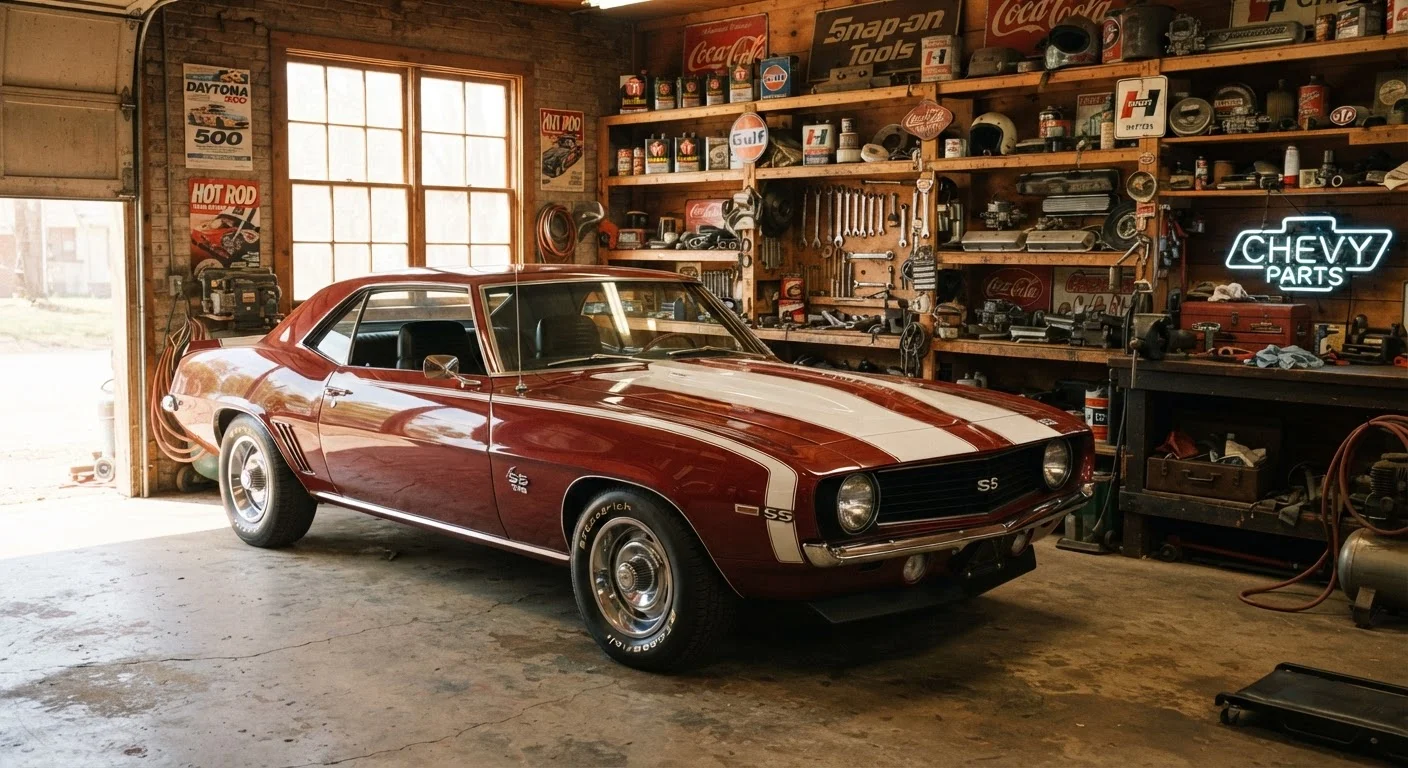
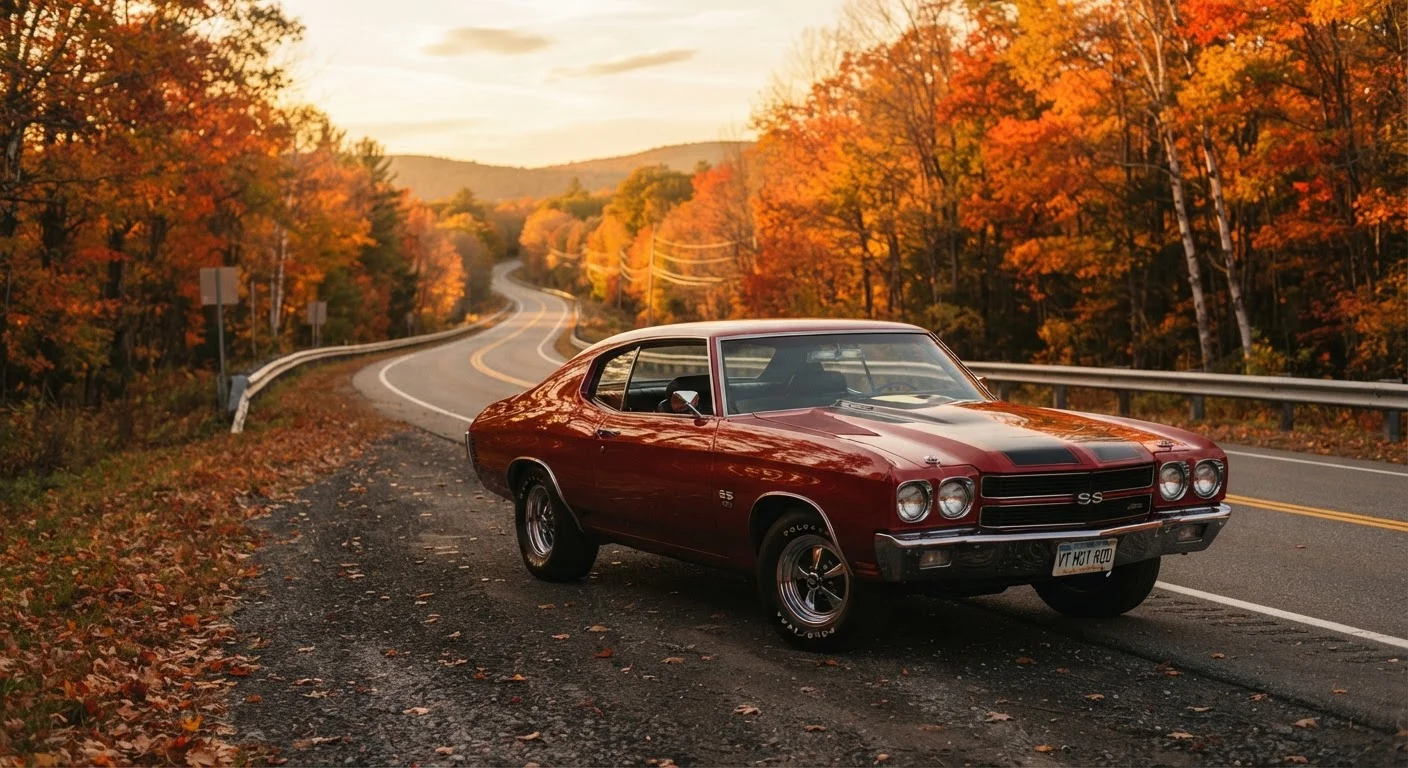
The 1960s fractured into several parallel design movements. In America, the muscle car era produced wide-stance, long-hood proportions built around increasingly powerful V8 engines. Aggressive hood scoops, bold graphics, and blacked-out grilles signaled performance intent at a glance. These vehicles are among the most studied in automotive history for reshaping what a production car could be.
Meanwhile, European and Japanese designers moved toward the wedge - a sharp, low-slung profile with a rising beltline. This form prioritized aerodynamic efficiency and a modern, almost futuristic aesthetic. By the early 1970s, the oil crisis forced even American manufacturers to reckon with fuel economy, compressing body dimensions and trimming chrome excess. The shift was jarring but historically significant.
For a deeper look at how these design traditions live on in car culture and community, the story extends well beyond the showroom floor.
1927
Year GM established first dedicated styling department
General Motors created the Art and Color Section under Harley Earl, marking the formal beginning of automotive design as a professional discipline.
~25%
U.S. auto sales decline during 1973-74 oil embargo period
The oil crisis reshaped buyer priorities and accelerated a shift toward smaller, more fuel-efficient vehicles, dramatically altering design direction.
1950s-60s
Peak era for collector car values at major auctions
Industry auction data consistently shows vehicles from these two decades commanding the highest average sale prices among classic American cars.
What Endures: Design Criteria That Stand the Test of Time
Design historians and concours judges consistently identify a handful of qualities that separate enduringly significant vehicles from period novelties: visual coherence (every element serving the whole), proportional integrity (a silhouette that reads correctly from every angle), and material honesty (detailing that reflects function rather than pure decoration).
These principles explain why some cars celebrated in their own era have faded from serious collector interest, while others - sometimes overlooked when new - have grown in stature. Design that speaks to deeper ideas about speed, freedom, or craft tends to outlast design built purely around trend. Events like Concours d'Elegance gatherings remain the premier venues where these judgments are made publicly and debated passionately.
For anyone entering the classic car world, tracing these design lineages is not just historical curiosity - it is practical knowledge that informs collecting decisions, restoration priorities, and a richer appreciation of every vehicle on the field. New enthusiasts can explore this broader context as a foundation for deeper engagement.