From Street to Strip: The Origins of Drag Racing
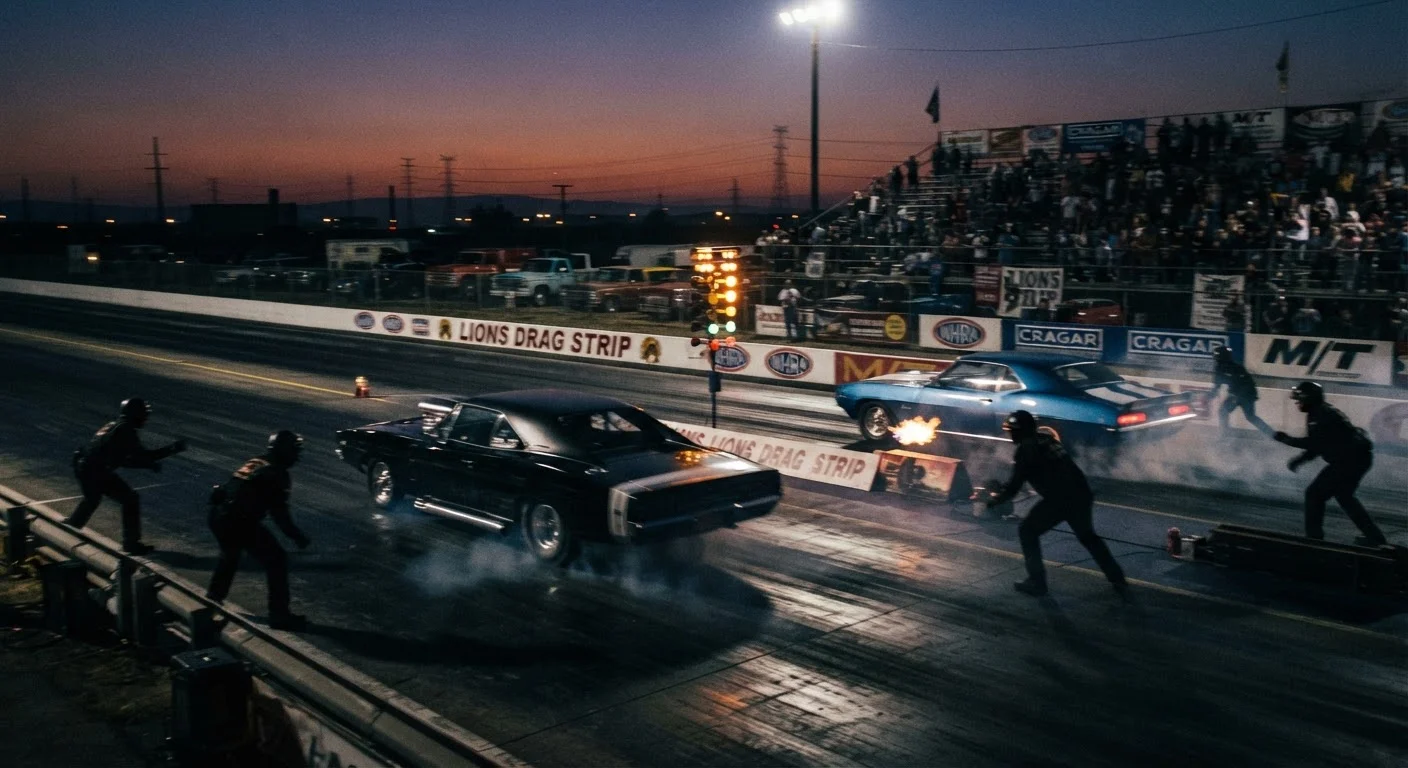
Drag racing didn't begin under organized floodlights - it began on the empty late-night boulevards of postwar American cities. Returning veterans with mechanical aptitude and a taste for adrenaline found surplus military machinery and surplus time, and they turned both toward speed. In Southern California especially, dry lakebeds like Muroc and El Mirage had already cultivated a land-speed culture; when those enthusiasts moved to city streets, communities took notice - sometimes with alarm.
The defining characteristic of early drag racing was its simplicity: two vehicles, a straight road, and a predetermined finish line. It required no complex track infrastructure, no pit lane strategy. What it did require was mechanical ingenuity, courage, and a willingness to push machinery beyond factory limits. Those qualities attracted a particular kind of American - self-taught, competitive, and deeply invested in automotive craft.
To understand drag racing's roots alongside the broader story of American performance culture, the origins of American muscle article offers essential context on how postwar industry and youth identity shaped the era.
Understanding Drag Racing's Class Structure
Drag racing's class system divides competitors by vehicle type, engine size, and level of modification - from stock vehicles to highly modified fuel cars. Familiarizing yourself with these classes helps contextualize both historical race results and contemporary events. The NHRA's official rulebook provides the definitive breakdown of current class definitions and technical regulations.
Sanctioning Bodies and the Rise of Organized Competition
The pivot from street racing to sanctioned competition is one of the most consequential chapters in American motorsport history. Wally Parks, a hot rod journalist and enthusiast, co-founded the National Hot Rod Association (NHRA) in 1951 with an explicit mission: get racing off public streets and onto controlled, safer venues. His slogan - "Drag racing, not street racing" - captured the organization's founding ethos.
The NHRA's early work involved negotiating with local governments, working with law enforcement, and establishing technical standards for vehicles and tracks. This wasn't merely administrative - it was cultural diplomacy. By creating a legitimate infrastructure for drag racing, the NHRA transformed a subculture viewed with suspicion into a recognized American sport.
“The hot rodder is not a menace to society - he is society, a young American exercising his ingenuity and his freedom in the most American way possible.”
— Wally Parks, Founding President, National Hot Rod Association
Parallel organizations, including the American Hot Rod Association (AHRA) and later the International Hot Rod Association (IHRA), expanded sanctioned racing to different regions and vehicle classes. The variety of sanctioning bodies reflected drag racing's democratic instinct: there was a class and a competition level for nearly every type of vehicle and budget.
For readers interested in how on-track competition shaped automotive culture more broadly, the motorsport rivalries that defined eras piece explores the personalities and philosophies behind racing's greatest contests.
The Engineering Culture Behind the Quarter-Mile
Drag racing is fundamentally an engineering problem compressed into a quarter-mile and measured in tenths of seconds. That constraint produced extraordinary innovation. Racers and mechanics - often working out of home garages - pioneered supercharging techniques, developed fuel injection systems, and experimented with nitromethane fuel blends long before these advances appeared in factory vehicles.
The sport created a feedback loop between grassroots experimentation and industrial application. Tire compounds designed to maximize traction from a standing start influenced passenger car tire technology. Transmission innovations developed for Top Fuel dragsters worked their way into performance street cars. The quarter-mile became an accelerated laboratory.
1951
Year NHRA was founded
The National Hot Rod Association was established by Wally Parks to formalize and legitimize drag racing as a sanctioned sport in the United States.
35,000+
NHRA member racers
The NHRA has historically reported membership figures in the tens of thousands, reflecting drag racing's sustained grassroots participation base across the US.
330+ mph
Top Fuel dragster speed
Top Fuel dragsters, the pinnacle of NHRA competition, are capable of exceeding 330 mph over a 1,000-foot course, representing the extreme end of drag racing engineering.
Class structures were central to this engineering culture. By separating vehicles into categories based on engine displacement, weight, and modifications, sanctioning bodies ensured that ingenuity - not just budget - could determine outcomes. A well-tuned, carefully prepared vehicle in a stock or bracket class could outperform a more powerful but poorly sorted competitor.
The performance hub explores what distinguishes high-performance vehicles at a technical level - relevant context for understanding why drag racing became such a crucible of American engineering ambition.
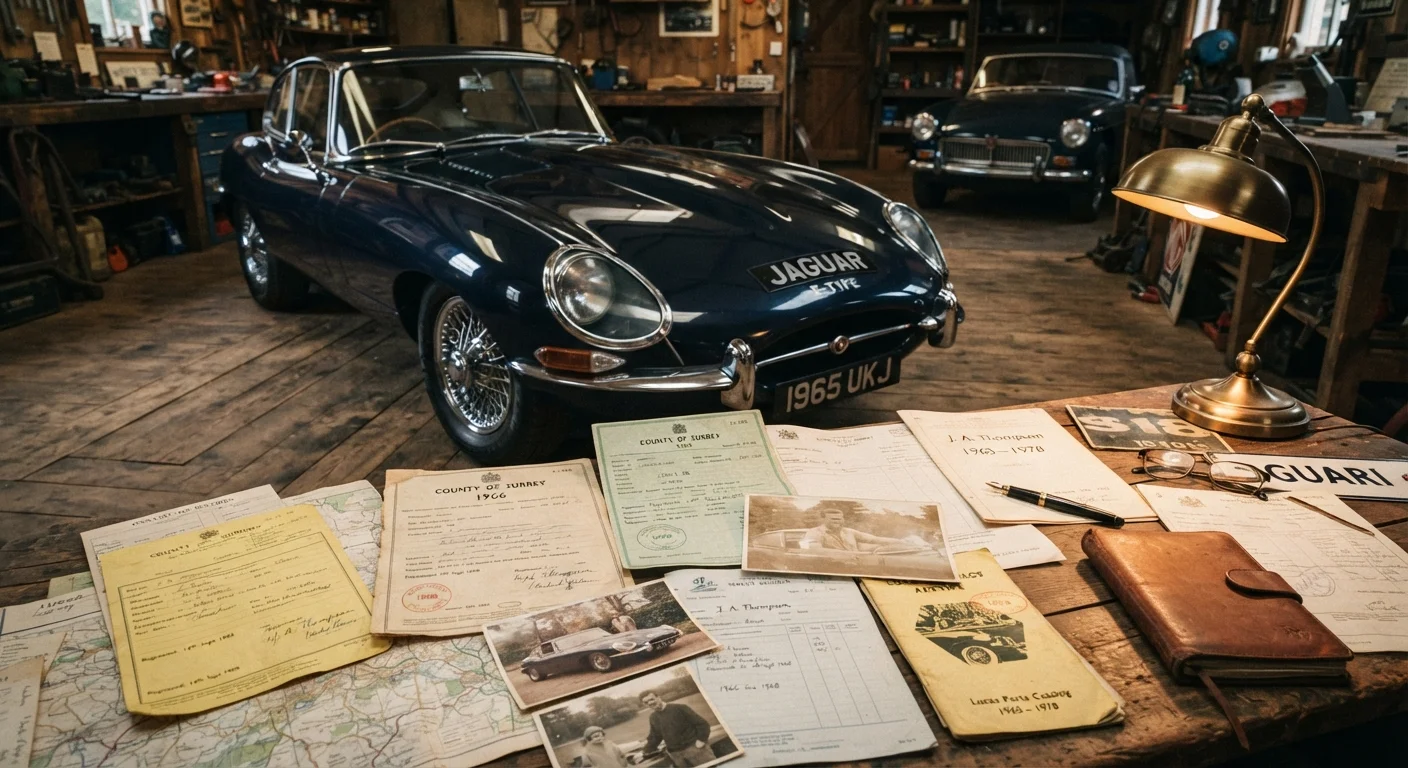
When evaluating a drag-prepared vehicle's history, request timeslips from sanctioned events rather than relying on claimed elapsed times - official timeslips provide verifiable, documented performance data.
Sanctioned timeslips from NHRA or IHRA events are printed records tied to specific dates and conditions, making them far more reliable than anecdotal performance claims when assessing a vehicle's authentic race history.
If you're entering bracket racing for the first time, focus on consistency rather than outright speed - bracket racing rewards racers who can predict and repeat their elapsed time, not simply those with the most powerful engine.
Bracket racing's handicap format means the fastest car doesn't automatically win; a consistent, well-dialed racer in a modest vehicle regularly defeats faster but less predictable competitors.
Community, Identity, and Belonging at the Track
To reduce drag racing to elapsed times and speed figures is to miss what has always made it endure: the people. Tracks became social institutions. Families arrived before dawn to claim pit spots. Crew chiefs mentored teenagers. Rivalries formed between towns, between shops, between generations - and those rivalries were settled not with hostility but with horsepower, in front of shared audiences.
The social architecture of a drag strip is unusually open. Unlike oval-track or road-course events, where the action is often distant and the paddock restricted, drag racing places cars and crews in direct proximity to spectators. Fans can walk through the pits, examine engines, and talk to drivers. That accessibility created genuine bonds between participants and audiences.
Drag culture has also been shaped by voices and communities not always centered in the mainstream retelling. Women's contributions to car culture - including in drag racing - stretch back to the sport's earliest decades, from female racers competing in the 1950s to crew members and engineers whose expertise proved decisive. Meanwhile, the tradition of expressing identity through vehicles connects drag racing to other automotive subcultures, such as the lowrider tradition, which similarly uses the automobile as a vehicle for cultural belonging.
Street Racing Remains Illegal and Dangerous
Despite drag racing's roots in street culture, racing on public roads is illegal throughout the United States and poses serious risks to participants, bystanders, and other drivers. Sanctioned drag strips provide a controlled environment with safety infrastructure, flagging personnel, and emergency services. Enthusiasts seeking to explore the sport should do so exclusively at licensed facilities.
Drag Racing's Lasting Legacy in American Car Culture
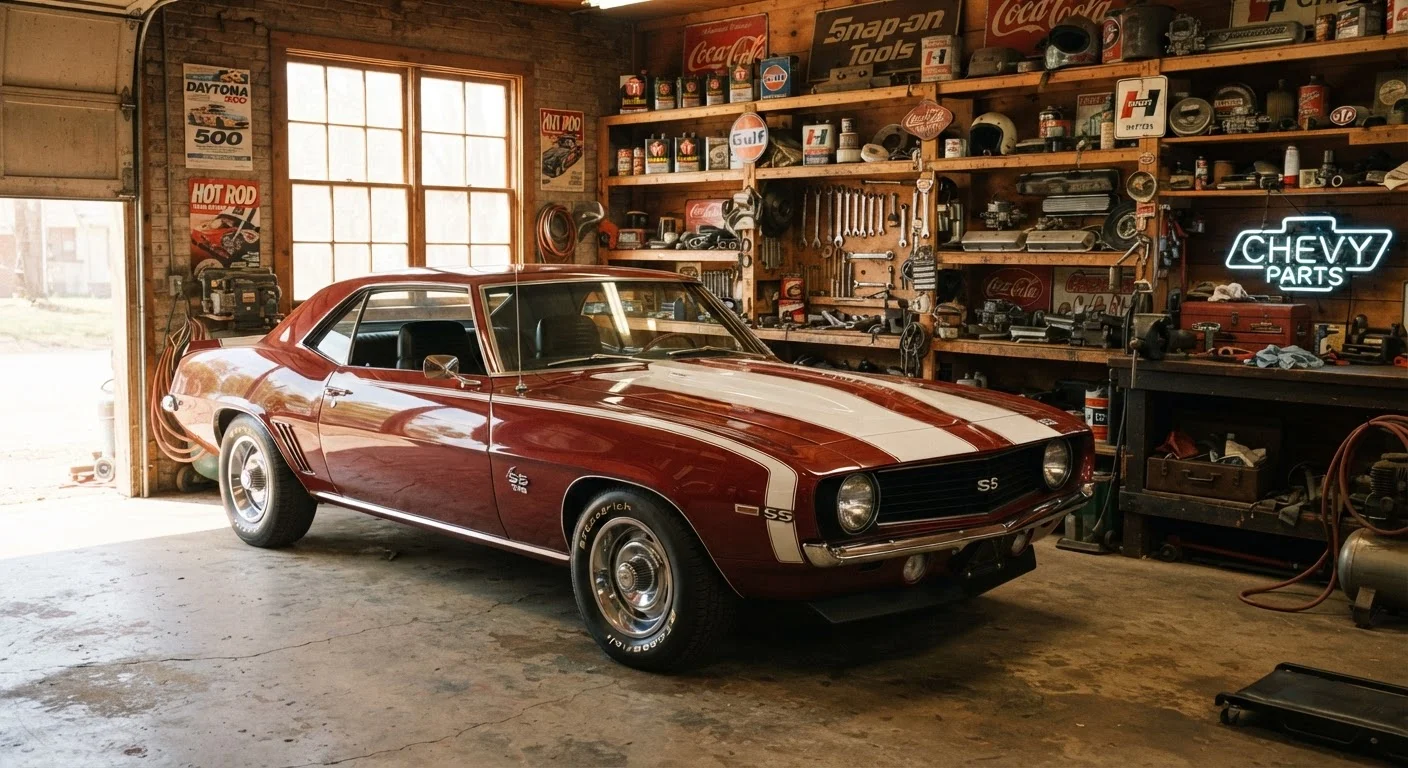
Drag racing shaped American automotive identity in ways that extend far beyond the strip. The muscle car era of the 1960s and early 1970s - characterized by large-displacement engines, rear-wheel drive, and performance-first engineering - was in significant part a factory response to drag racing's popularity. Manufacturers watched what worked on sanctioned strips and applied those lessons to showroom floors.
The rise of the muscle car reflects this direct lineage: quarter-mile credibility became a marketing asset, and horsepower figures became a primary selling point. Drag racing gave American performance culture its vocabulary.
Today, organized drag racing continues at hundreds of tracks across the United States, from national NHRA events drawing tens of thousands of spectators to local bracket nights where a first-time racer can make passes in a street-legal sedan. The sport has adapted to include electric vehicles, which have introduced new performance dynamics to the quarter-mile. What has not changed is the core proposition: two vehicles, a straight line, and a community gathered around the shared pursuit of speed.
Drag racing's legacy is, ultimately, a story about what Americans have historically done with mechanical freedom - they've organized it, competed within it, innovated through it, and built lasting friendships around it. That story continues every weekend at strips across the country.