Origins: How the Formula Was Born
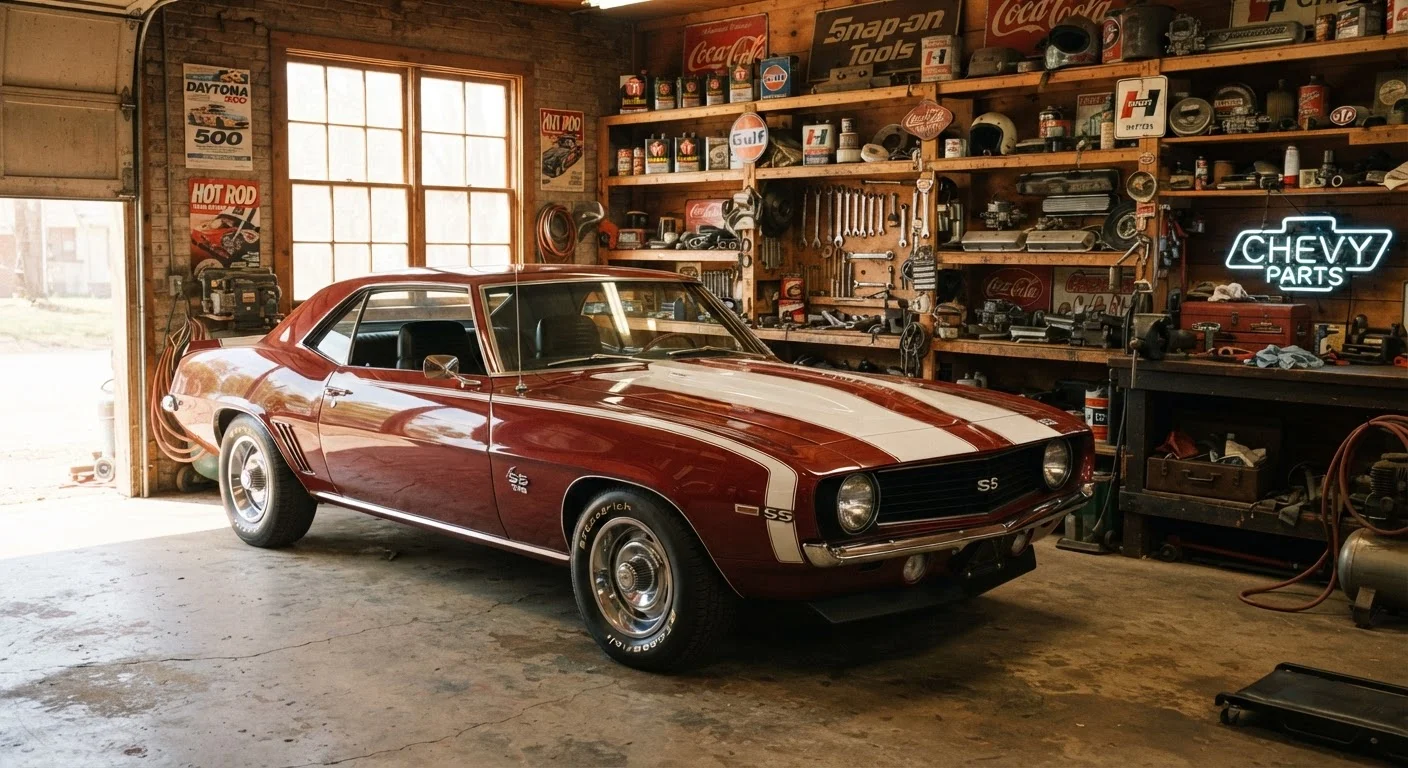
The muscle car didn't arrive fully formed. Its roots lie in postwar American optimism, a booming economy, and a generation of young buyers who wanted speed they could actually afford. Hot rodders had long been stuffing large engines into lighter bodies - a practice that Detroit eventually formalized into a production philosophy.
The pivotal moment is widely traced to 1964, when Pontiac engineers placed a 389 cubic-inch V8 into the intermediate-sized Tempest platform, creating the GTO. The move defied internal corporate restrictions on engine-to-body sizing, and the gamble paid off spectacularly. Buyers responded, competitors followed, and an era was underway. Ford, Chevrolet, Chrysler, and Dodge each accelerated their own entries, fueling an intense horsepower war that would define the remainder of the decade.
For deeper context on how this period fits within broader design history, see The Decades That Defined Classic Car Design.
Engineering the Era: What Made These Cars Different
The muscle car formula was deliberately straightforward: maximum displacement, minimum compromise. Engineers prioritized cubic inches and carburetion over suspension sophistication or weight reduction. Most classic muscle cars rode on steel unibody or body-on-frame platforms, with live rear axles and modest braking hardware relative to their power output.
High-compression V8 engines - often running on premium leaded fuel - generated power figures that manufacturers sometimes understated to avoid insurance scrutiny. Camshaft profiles, intake manifold design, and exhaust systems were tuned for peak power in the mid-to-upper RPM range, which meant street manners could be rough by any comparison standard.
389 cu in
GTO's original engine displacement
The 1964 Pontiac GTO's 389 cubic-inch V8 is widely cited as the engine that ignited the production muscle car era.
~450 hp
Peak factory muscle car output
Several high-option engines from the late 1960s - including Chrysler's 426 Hemi - were rated at or near 425-450 hp in factory advertising figures, though actual output was sometimes higher.
1964-1972
Classic muscle car era
Automotive historians generally define this eight-year window as the golden age, bookended by the GTO's debut and the tightening of emissions and insurance pressures.
Understanding the mechanical principles behind this performance is essential context. The Anatomy of a High-Performance Engine explains how high-compression ratios and valve timing translate to real-world power output.
Culture and Identity: More Than Just Speed
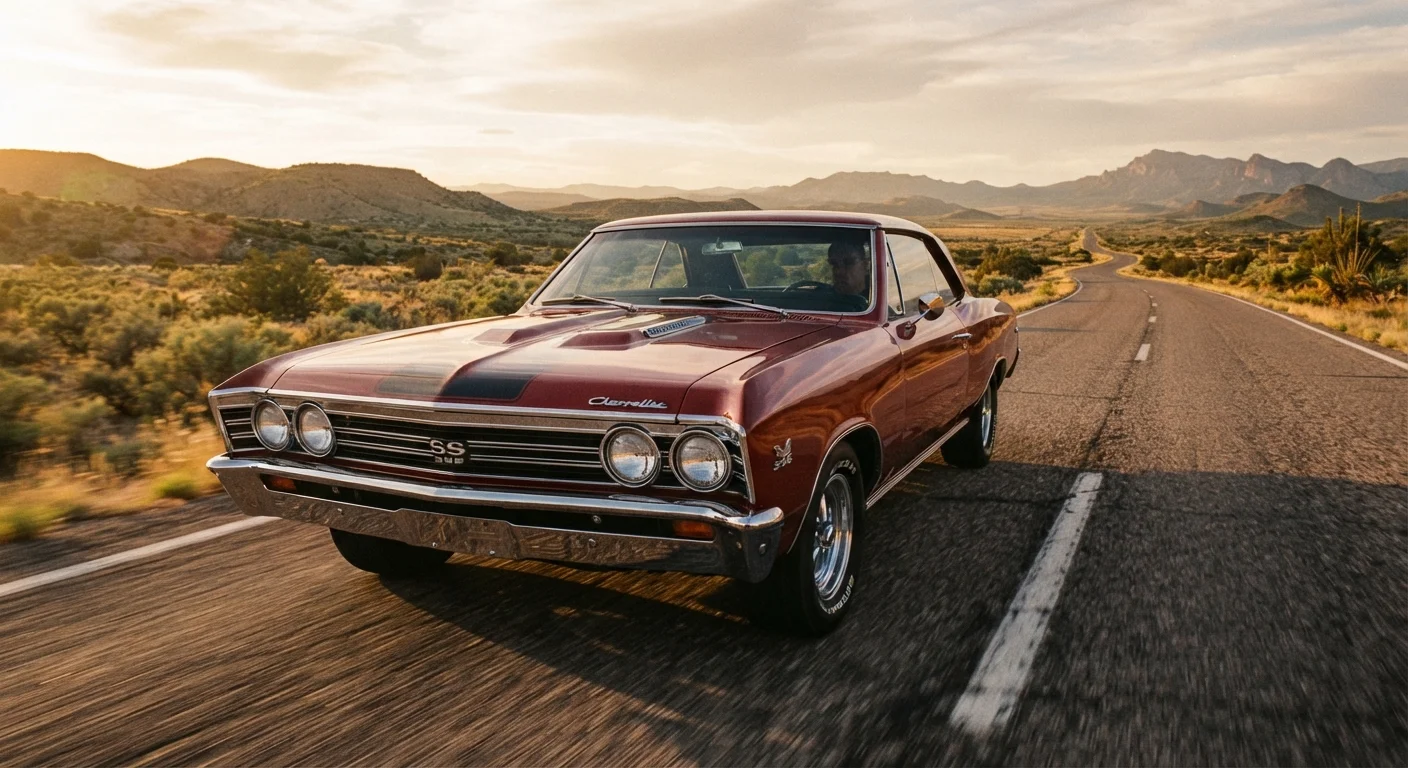
Muscle cars were as much a cultural statement as a mechanical one. They reflected a distinctly American confidence - the belief that more displacement, more chrome, and more sound signaled progress. Car shows, street drags, and drive-ins became social institutions organized around these vehicles and the communities they attracted.
“The muscle car was the purest expression of what Americans wanted from the automobile in the 1960s - not sophistication, but power, identity, and the promise that you could buy your way into something extraordinary.”
— Automotive Historians Inc. - General Perspective, Reflected consensus among automotive historians studying mid-century American car culture
The relationship between muscle cars and drag racing was particularly formative. Quarter-mile strips gave ordinary drivers a structured outlet for performance, and manufacturer involvement - through factory racing programs and dealer-level sponsorships - blurred the line between showroom and strip. Legends of the Strip examines how that culture took shape.
Muscle cars did not exist in isolation, however. They were one expression within a broader, diverse American car culture that included the lowrider tradition - a parallel community with its own engineering values and cultural roots.
For a clearer breakdown of how muscle cars compare to related categories, Pony Cars, Muscle Cars, and Supercars untangles the terminology.
Decline, Legacy, and Lasting Relevance
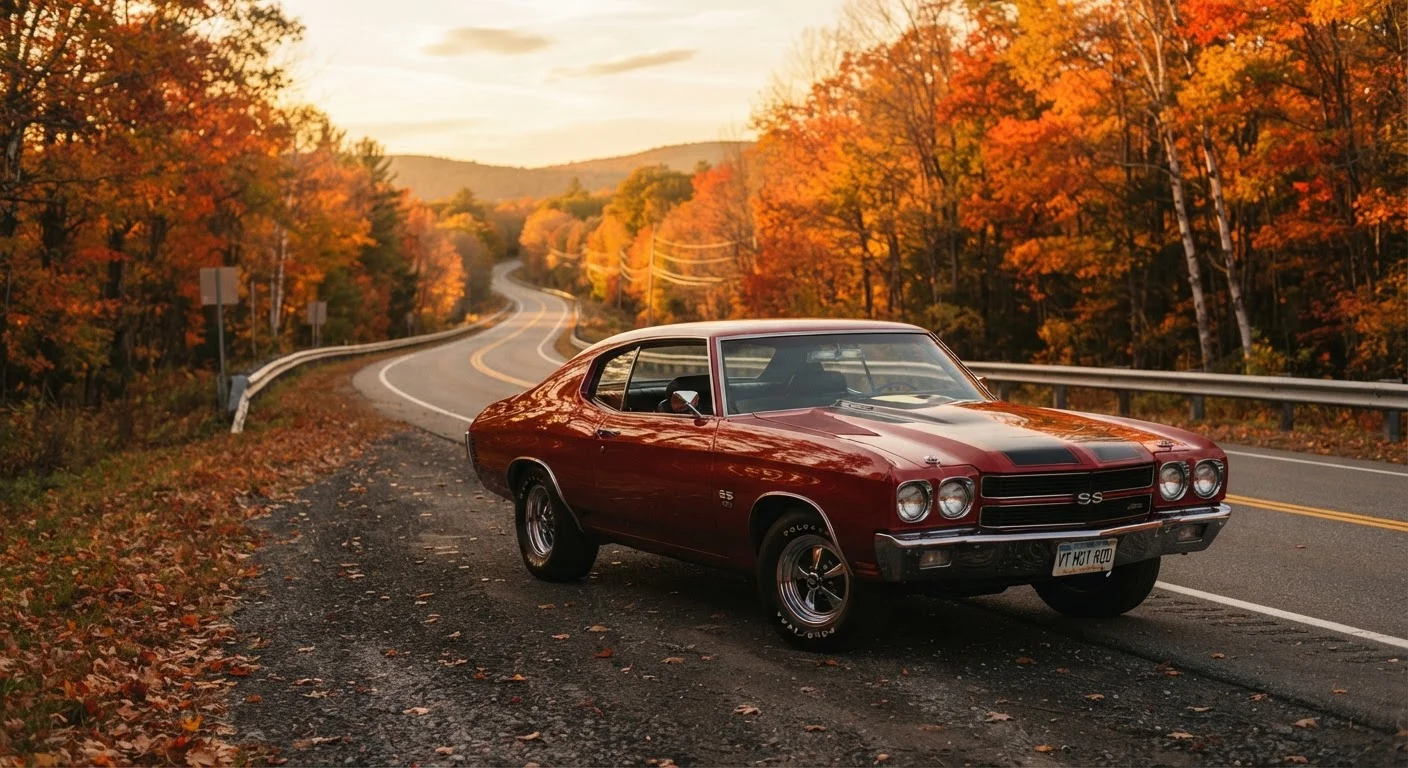
By the early 1970s, the structural conditions that had sustained the muscle car era were eroding. Insurance actuaries had catalogued the accident statistics associated with high-performance vehicles, and premiums on big-engine cars rose steeply - pricing younger buyers out of the market. Federal emissions standards, phased in starting in 1968 and tightening significantly through the early 1970s, forced compression ratio reductions and power losses across virtually every manufacturer's lineup. Then the 1973 oil embargo reoriented the entire American automotive market around fuel economy.
Buying or Restoring a Classic Muscle Car
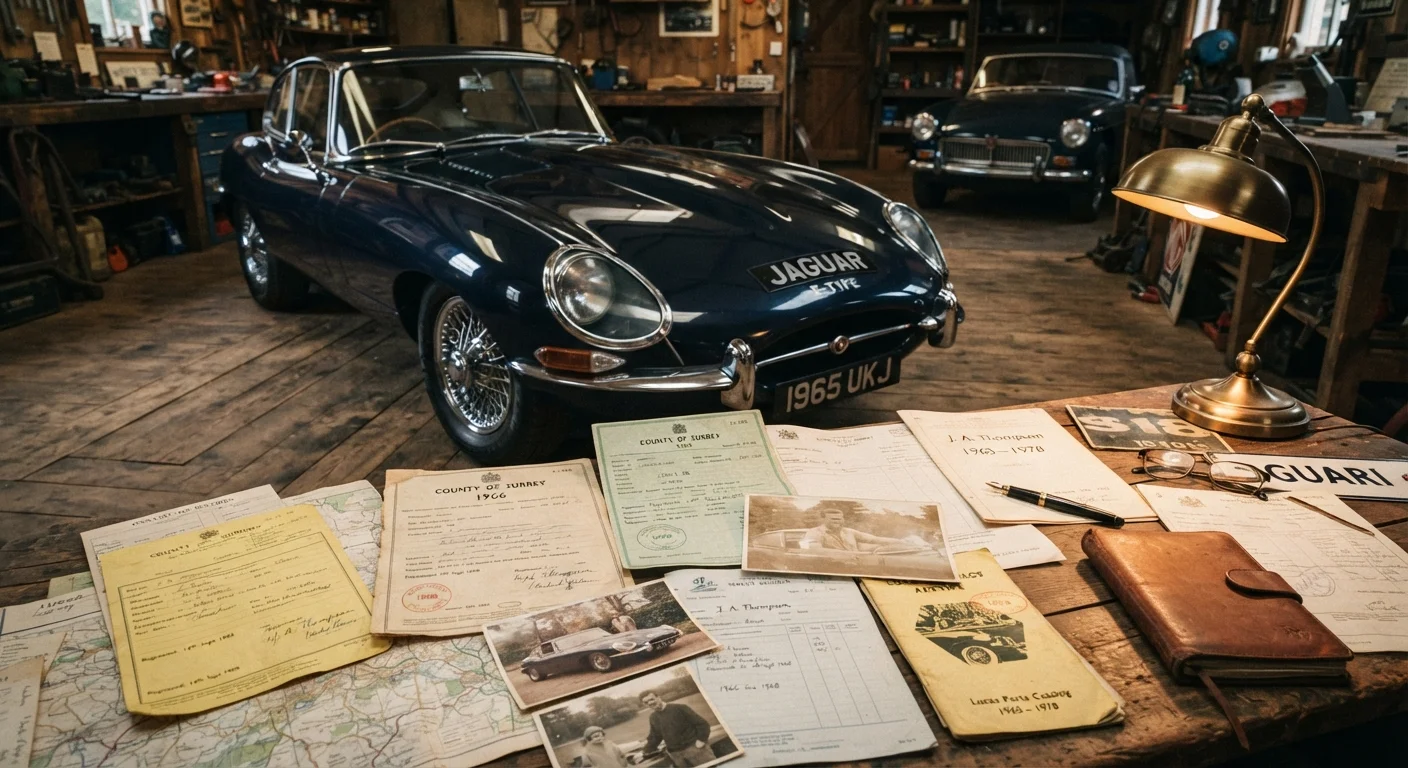
If you're considering a classic muscle car purchase or restoration, verifying the vehicle's authenticity - including VIN decoding, engine stampings, and broadcast sheet documentation - is essential before committing. Consult a qualified appraiser or marque-specific club to evaluate any vehicle's provenance. Restoration work on older high-performance engines should be handled by mechanics experienced with vintage American V8 systems.
What survived was a cultural legacy of remarkable durability. Restoration communities, concours events, and swap meets dedicated to classic muscle cars remain active across the United States. The terminology, the design language, and the emotional resonance of these vehicles continue to influence how American performance cars are marketed and perceived - even as the engineering has moved far beyond carbureted V8s.
To understand how American performance philosophy contrasted with contemporary European approaches, European Icons vs. American Muscle offers a compelling comparison.