What a Maintenance Schedule Actually Is
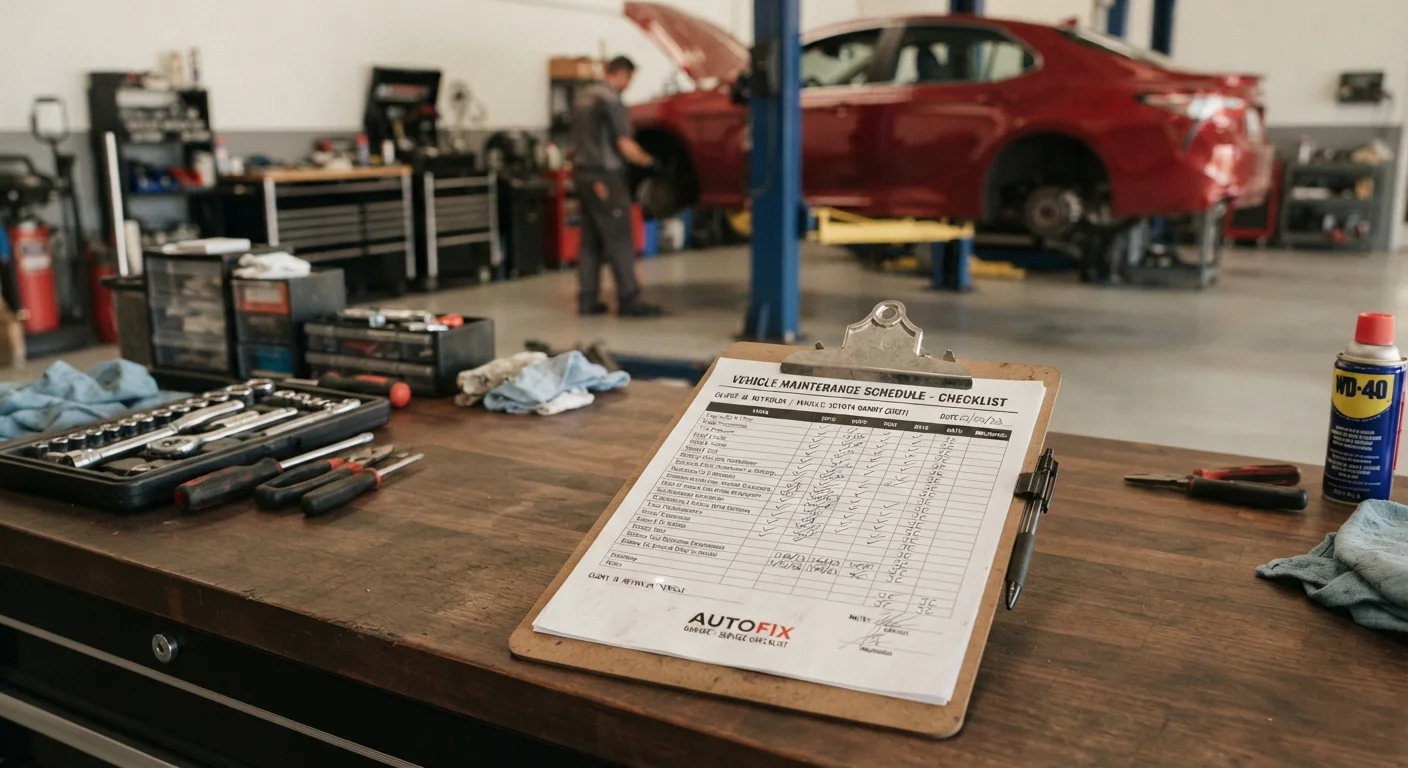
Every vehicle leaves the factory with a service plan built into its design. Engineers specify when fluids degrade, filters clog, and wear items reach their limits - and those calculations form the maintenance schedule published in your owner's manual. Think of it as a roadmap the manufacturer provides for keeping the vehicle operating as intended over its lifespan.
Intervals are typically expressed in two ways: mileage (for example, every 5,000 or 7,500 miles) and elapsed time (such as every six or twelve months). The rule of thumb is to service your vehicle at whichever threshold arrives first. A car driven fewer miles per year can still accumulate degraded oil, corrosion, and moisture contamination in fluids that sit too long - time matters as much as distance.
If you're new to vehicle ownership, building a service habit early makes it far easier to stay on schedule as mileage climbs.
Your Owner's Manual Is the Primary Source
Maintenance schedules vary between makes, models, engine types, and even model years. Generic interval recommendations you find online may not match what your specific vehicle requires. Always cross-reference any guidance with the maintenance section of your owner's manual - it's the authoritative reference for your vehicle.
Breaking Down the Common Milestones
Most maintenance schedules follow a tiered structure, with lighter tasks recurring frequently and more involved services spaced further apart.
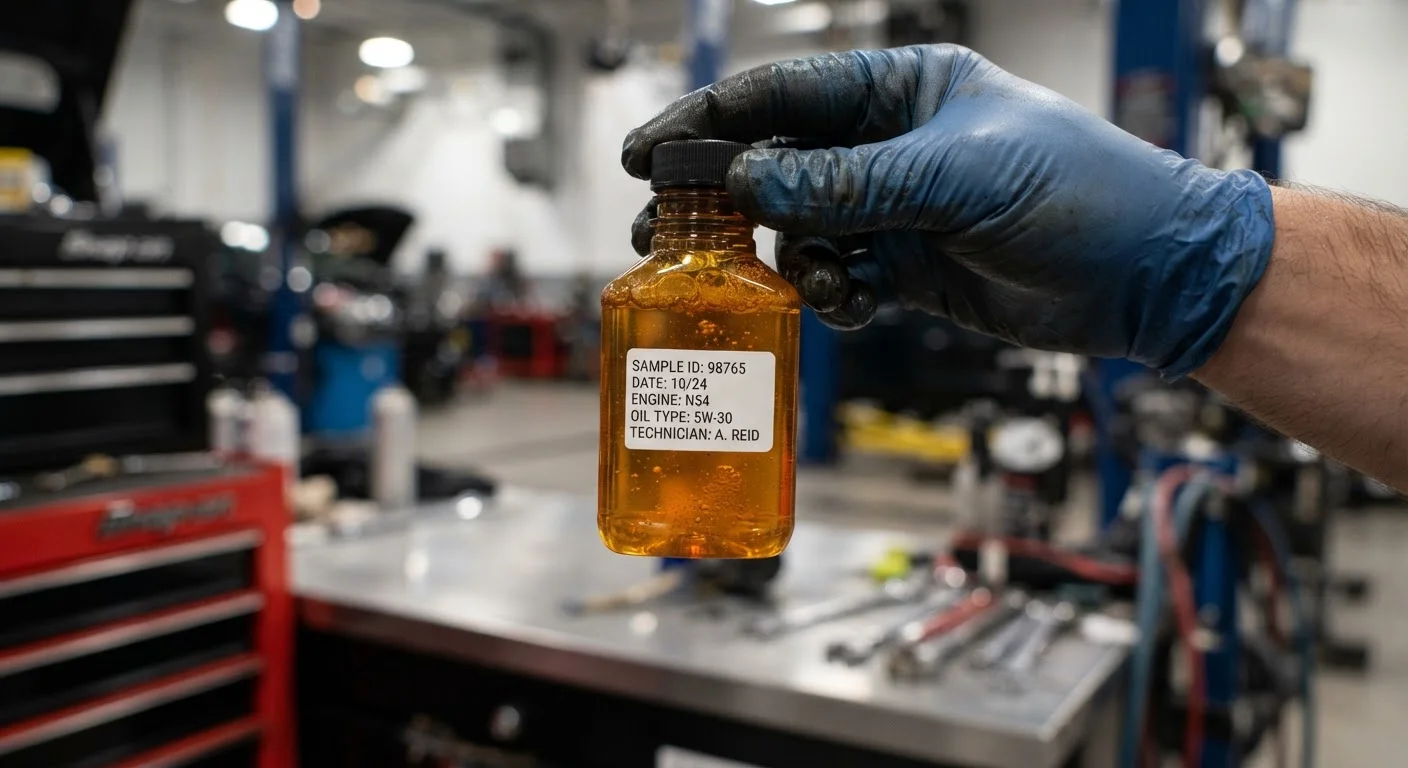
- Every 3,000-7,500 miles (or per manufacturer guidance): Oil and oil filter change. Interval length depends on whether the vehicle uses conventional or full-synthetic oil and the manufacturer's specification - always defer to the manual rather than assuming a universal interval applies. Common myths around oil change frequency can lead owners to service more often than necessary.
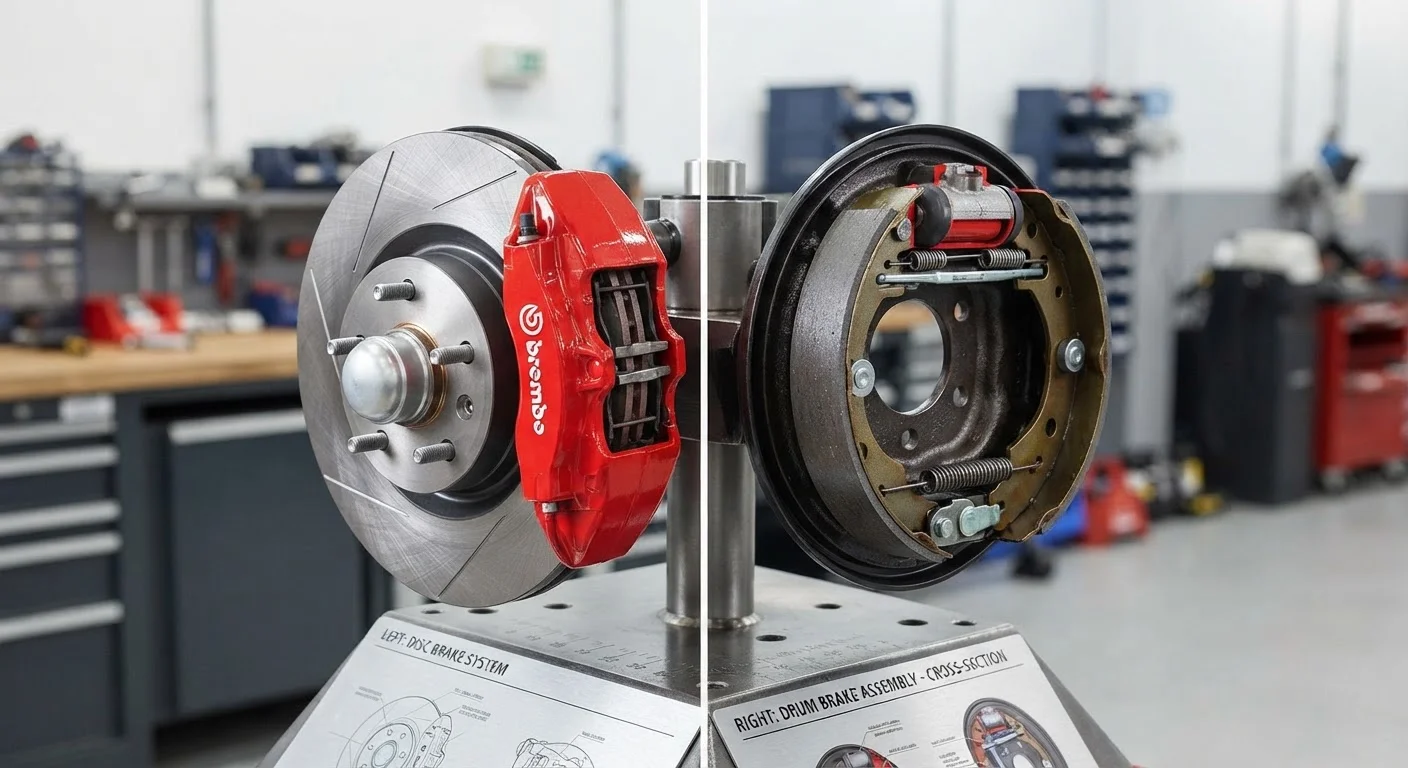
- Every 15,000-30,000 miles: Cabin and engine air filter inspection or replacement, tire rotation, brake inspection, and fluid level checks (coolant, brake fluid, power steering fluid where applicable).
- Every 30,000-60,000 miles: Transmission fluid, coolant flush, spark plugs (in many gasoline engines), and a more thorough brake system inspection.
- 60,000-100,000+ miles: Timing belt replacement (if applicable), fuel system service, and suspension component inspection. This is also where components like the timing belt demand close attention - understanding timing belt versus timing chain differences can help you anticipate what's due.
5,000-7,500 mi
Typical synthetic oil change interval
Many modern vehicle manufacturers specify full-synthetic oil changes at 5,000 to 7,500 miles or longer - consult your owner's manual for the exact figure.
60,000-100,000 mi
Common timing belt replacement window
Timing belt replacement intervals vary widely by manufacturer and engine design; many fall between 60,000 and 100,000 miles, making it one of the most significant scheduled services.
Normal vs. Severe Driving Conditions
Most owner's manuals include two maintenance tracks: one for normal driving and one for severe or special operating conditions. Severe use isn't limited to off-road adventures - it includes frequent short trips under five miles, extended idling, towing or hauling heavy loads, driving in extreme temperatures, and operating in dusty or sandy environments.
Under these conditions, engine oil accumulates combustion byproducts faster, brake components wear more quickly, and transmission fluid degrades sooner. Manufacturers recommend shorter service intervals under severe conditions for precisely this reason. If your driving patterns fit any of these categories, reference your manual's severe-service schedule rather than the standard one.
Check Both Mileage and Time Thresholds
Many owners track only mileage and overlook the time-based interval. If your vehicle sits for long periods or you drive fewer miles than average, the elapsed time threshold may arrive first. Set a calendar reminder at the six- or twelve-month mark so neither trigger slips past unnoticed.
Why Staying on Schedule Matters
A maintenance schedule isn't arbitrary - it reflects the degradation rates of specific fluids, seals, filters, and mechanical components under expected operating loads. When services are deferred, the consequences rarely remain isolated. Degraded engine oil loses its viscosity and lubricating properties, accelerating wear on bearings and cylinder walls. A clogged air filter forces the engine to work harder and can affect fuel delivery. Old coolant becomes acidic and corrodes internal passages.
How skipping minor services can cascade into major repairs is a pattern worth understanding before it becomes a costly lesson. Routine tasks are inexpensive precisely because they prevent the failures that aren't.
Keeping a detailed service log amplifies the value of staying on schedule. A maintenance log affects resale value and warranty claims in ways many owners underestimate. For a clear picture of what any given service appointment should cover, see what happens during a standard workshop visit.