What a Standard Service Actually Covers
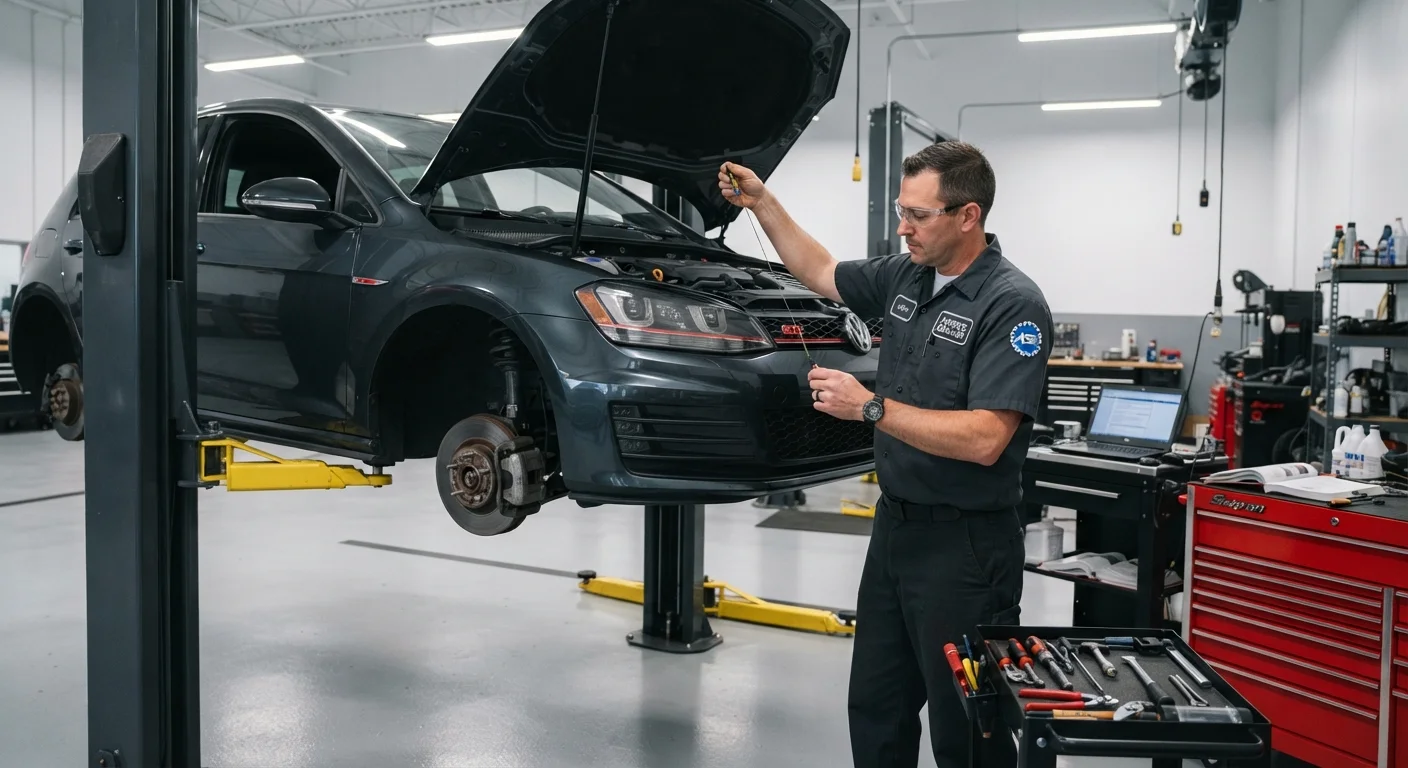
Many drivers treat a routine service as little more than an oil change with a waiting-room coffee. In reality, a standard workshop visit involves a structured inspection of dozens of systems and components - most of which the owner never sees. Understanding what technicians actually do during those hours helps you verify the work, ask informed questions, and prioritize any follow-up items correctly.
Service scope varies by interval type. A minor or interim service typically covers fluids and filters. A major service goes further, addressing timing components, spark plugs, brake hardware, and a full safety check. Your vehicle's manufacturer maintenance schedule - explained in detail in your vehicle's maintenance schedule guide - defines which tasks belong to which interval.
Regardless of interval, all standard services follow a documented checklist, and every item is marked pass, advisory, or action required. That checklist is the backbone of the visit.
Ask the service writer for the technician's checklist printout, not just the invoice summary - the checklist shows pass/fail ratings on every inspected item, giving you a clearer picture of your vehicle's actual condition.
Invoice summaries often list only replaced parts and labour charges, obscuring advisory findings that may require attention before the next scheduled service.
If your vehicle is approaching a major service milestone, bring a list of any intermittent symptoms - odd smells, unusual sounds, or dashboard lights that appeared and cleared - so the technician can correlate them with diagnostic data captured during the visit.
Intermittent faults are the hardest to diagnose in isolation; pairing owner observations with stored OBD-II freeze-frame data gives technicians a much stronger diagnostic starting point.
Fluid Checks and Replacements
Fluids are the circulatory system of a vehicle. Technicians inspect and, where due, replace the following:
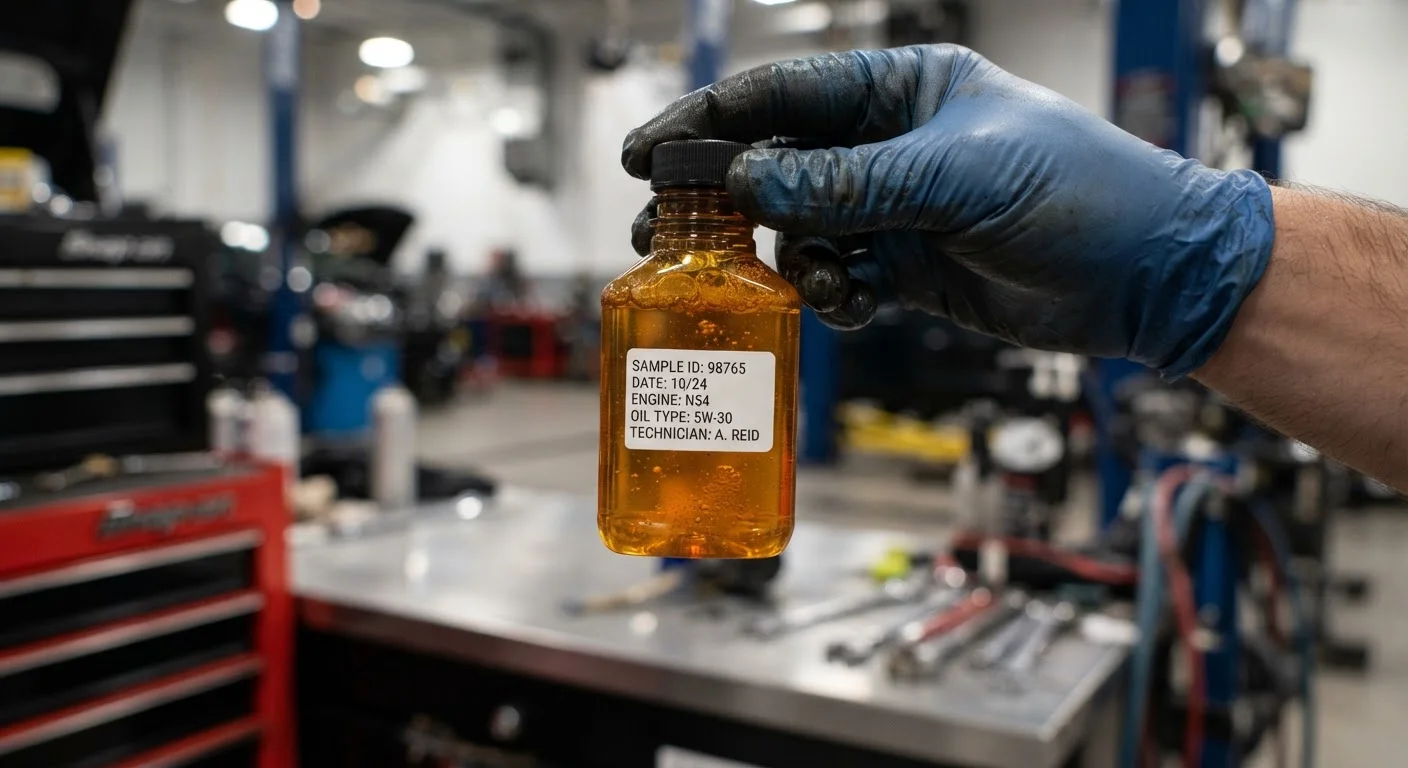
- Engine oil and filter: The most frequent replacement item. Oil is drained, the filter swapped, and fresh oil added to the manufacturer's specified grade and volume.
- Coolant (antifreeze): Checked for level, freeze-point protection, and signs of contamination. Coolant is typically flushed every two to five years depending on type.
- Brake fluid: Hygroscopic - meaning it absorbs moisture over time - which lowers its boiling point. Moisture content is tested with a probe or test strips.
- Power steering fluid: On vehicles with hydraulic steering, checked for level and condition.
- Transmission fluid: Inspected for level and color; dark or burnt-smelling fluid indicates degradation.
- Windshield washer fluid: Topped up as a minor but safety-relevant item.
Fluid condition - not just level - is what matters most. A technician who only tops off a contaminated fluid without noting its condition is missing half the job.
~60%
Vehicles with at least one maintenance deficiency
Industry surveys from automotive trade organizations have consistently found a majority of vehicles on the road are overdue for at least one recommended service item.
15,000-30,000 mi
Typical engine air filter replacement interval
Most manufacturers specify this range, though vehicles operated in high-dust environments may require replacement significantly sooner.
Filters, Belts, and Wear Items
Beyond fluids, a service addresses consumable components with defined replacement intervals:
- Air filter (engine): A clogged air filter restricts airflow and degrades combustion efficiency. Most manufacturers recommend replacement every 15,000-30,000 miles, though driving in dusty conditions accelerates wear.
- Cabin air filter: Filters air entering the passenger compartment via the HVAC system. Often overlooked, but a blocked cabin filter strains the blower motor and degrades in-cabin air quality.
- Spark plugs: On major services, plugs are inspected and replaced if electrode wear or fouling is evident. Worn plugs cause misfires, poor fuel economy, and hard starts.
- Drive belts: The serpentine belt drives ancillary components like the alternator and power steering pump. Technicians check for cracking, glazing, and correct tension.
- Timing belt (where applicable): Not all vehicles use a timing belt - many modern engines use a timing chain - but where a belt is fitted, it has a strict replacement interval (commonly 60,000-100,000 miles) and failure can cause catastrophic engine damage.
If you're assessing a used vehicle's service history, inspecting a classic or used car before purchase walks through how to interpret these records critically.
Keep Your Service Intervals in Writing
Before leaving the workshop, confirm the mileage or date of your next recommended service and have it noted on the invoice. Many shops apply a sticker to the windshield, but a written record on your invoice ensures the interval is documented regardless of where you have future work done.
Safety System and Brake Inspection
A key component of any full service is a visual and functional safety inspection. This typically covers:
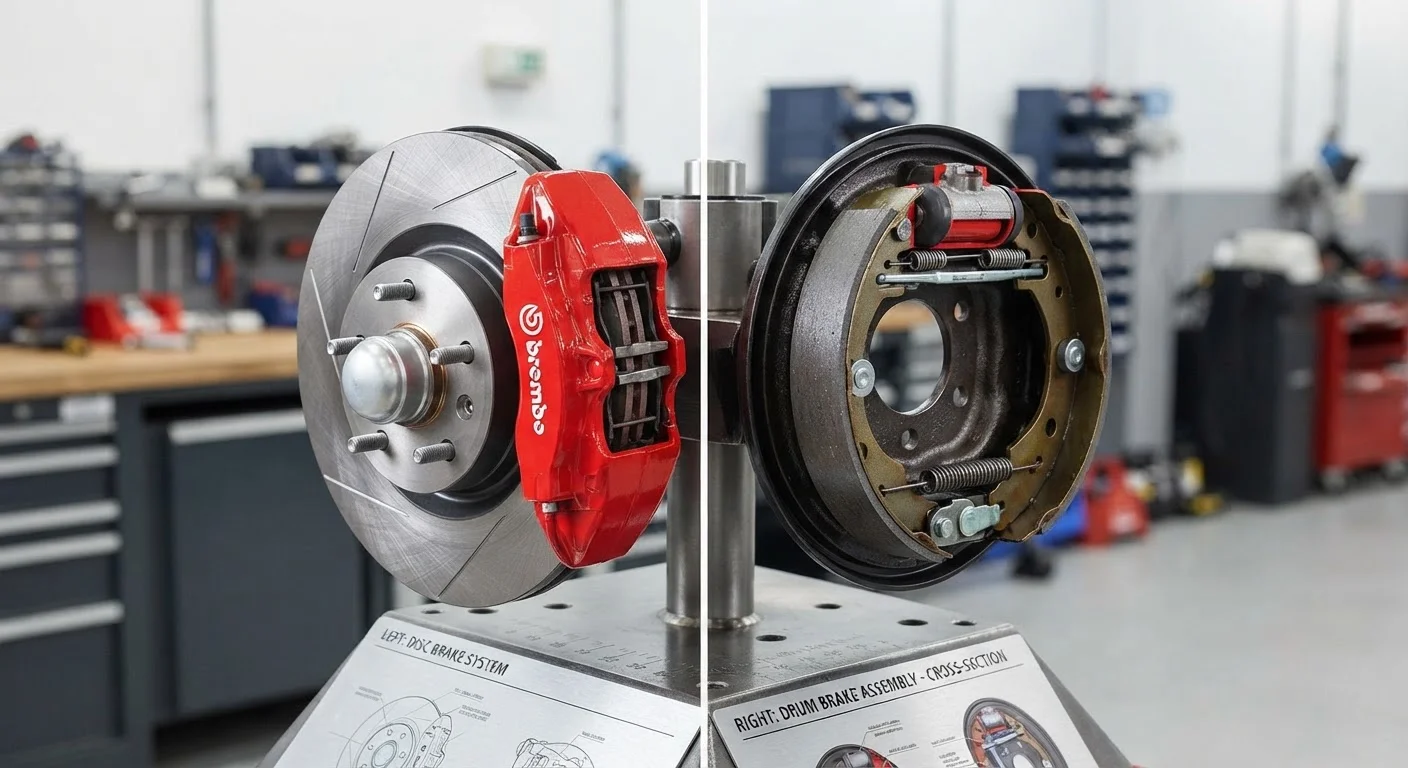
- Brake pads and rotors: Pad thickness is measured against minimum specifications. Rotor thickness (measured with a micrometer) and surface condition are also assessed. Grooved or warped rotors affect stopping distance and pedal feel.
- Tires: Tread depth is checked at multiple points across the tire's width. Technicians also look for uneven wear patterns, which indicate alignment or suspension issues, as well as sidewall cracking or bulges.
- Tire pressure: Adjusted to the vehicle placard specification - not the maximum printed on the tire sidewall.
- Lights: All exterior lights - headlamps, brake lights, indicators, reverse lights - are cycled and checked.
- Suspension and steering components: Technicians inspect for worn ball joints, tie rod ends, wheel bearings, and shock absorbers. These are assessed both visually and by feel during a test drive or on the lift.
- Exhaust system: Checked for leaks, damage, and secure mounting. Exhaust leaks are both a performance and a safety concern.
Safety inspection standards vary by jurisdiction. Some states require periodic safety inspections independent of routine servicing - confirm your local requirements separately.
Advisory Items Can Become Safety Issues
An 'advisory' rating on brake pads or tires does not mean the item is optional to address - it means the component hasn't yet reached minimum specification but is trending in that direction. Delays of several thousand miles can push a borderline item into unsafe territory, particularly in wet or emergency braking conditions. Set a concrete follow-up date for every advisory item, not just a vague intention to monitor it.
OBD Diagnostic Scan and Fault Codes
Most workshops connect an OBD-II scanner to the vehicle's diagnostic port at the start or end of a service. This reads stored and pending fault codes from all major electronic control modules - engine, transmission, ABS, airbag, and emissions systems.
An important distinction: a fault code can be stored in memory without triggering a dashboard warning light. This happens when a fault is intermittent or hasn't yet breached the threshold required to illuminate the MIL (commonly called the check engine light). A diagnostic scan at service time catches these early.
Fault codes are five-character alphanumeric strings (e.g., P0420 for catalyst efficiency below threshold). A code alone doesn't confirm a faulty component - it identifies the system or circuit where the fault was detected. Accurate diagnosis requires cross-referencing live data, freeze-frame data, and component testing. For a deeper look at what owners can and cannot diagnose independently, see vehicle self-diagnosis: what owners can realistically do themselves.
The Service Record and What to Do After
Every service should produce a written record - either a printed invoice or a digital entry in a dealer management system. This document should list every item inspected, fluid quantities and grades used, parts replaced with part numbers, any fault codes found and their resolution status, and advisory items flagged for future attention.
Always request a copy of this record and store it with your vehicle's documents. A complete service history increases resale value and provides evidence of care if warranty claims arise. For new or newer drivers building these habits, building a service habit from day one offers a practical framework for staying organized.
Service Records Affect Resale and Warranty
A documented service history is one of the most valuable assets a vehicle can have at point of sale. Missing records can reduce buyer confidence and complicate manufacturer warranty claims. Keep physical or digital copies of every invoice, and note any work performed outside a main dealer so the full maintenance picture remains intact.
After a service, review the advisory items column carefully. Technicians typically prioritize items into categories - items safe to monitor, items due soon, and items requiring prompt action. Don't assume everything non-urgent can wait indefinitely; establish a follow-up timeline for each advisory item and factor them into your next maintenance window.
Understanding what happens during a service transforms you from a passive vehicle owner into an informed participant in your vehicle's upkeep - and that knowledge directly supports longer vehicle life and safer driving.