
What Self-Diagnosis Actually Means
Vehicle self-diagnosis doesn't mean performing the same tests a professional workshop does - it means systematically gathering evidence about a problem before deciding on next steps. Done well, it can save time, reduce unnecessary parts replacement, and help you have a more informed conversation with a technician when professional help is needed.
The realistic scope of owner diagnosis falls into two categories: visual and sensory observation (what you can see, hear, smell, and feel) and basic electronic scanning using an OBD-II (On-Board Diagnostics, second generation) reader. Neither approach alone gives a complete picture, but together they can tell you a great deal about where a fault is likely located - and, crucially, where it isn't.
OBD-II
On-Board Diagnostics, second generation - a standardized system built into all US vehicles since 1996 that monitors vehicle systems and stores fault codes when a problem is detected.
DTC (Diagnostic Trouble Code)
A code stored by the vehicle's computer when a sensor reading falls outside expected parameters. It identifies a circuit or condition, not necessarily a specific failed part.
Freeze Frame Data
A snapshot of sensor values recorded at the exact moment a fault code was triggered, giving context about engine speed, temperature, and load conditions at the time of the fault.
Serpentine Belt
A single continuous belt that drives multiple engine accessories - alternator, power steering pump, air conditioning compressor, and water pump - simultaneously.
Live Sensor Data
Real-time readings from vehicle sensors displayed on a scan tool while the engine is running, allowing you to observe how a system behaves under actual operating conditions.
SRS (Supplemental Restraint System)
The vehicle's airbag and seatbelt pretensioner system, designed to work alongside seatbelts during a collision. It involves components that can be hazardous if incorrectly handled.
Understanding your limits from the outset is essential. Diagnosis is a process of elimination, not a single definitive moment. The goal as an owner is to gather accurate, useful information - not necessarily to reach a final verdict.
Visual Checks You Can Do Right Now
A structured visual inspection is the most underrated diagnostic tool available to any owner. Many faults - fluid leaks, cracked hoses, corroded battery terminals, worn belts - are visible before they trigger a warning light. See our guide to visual vs. electronic inspection for a deeper comparison of when each method is most effective.
What to check systematically
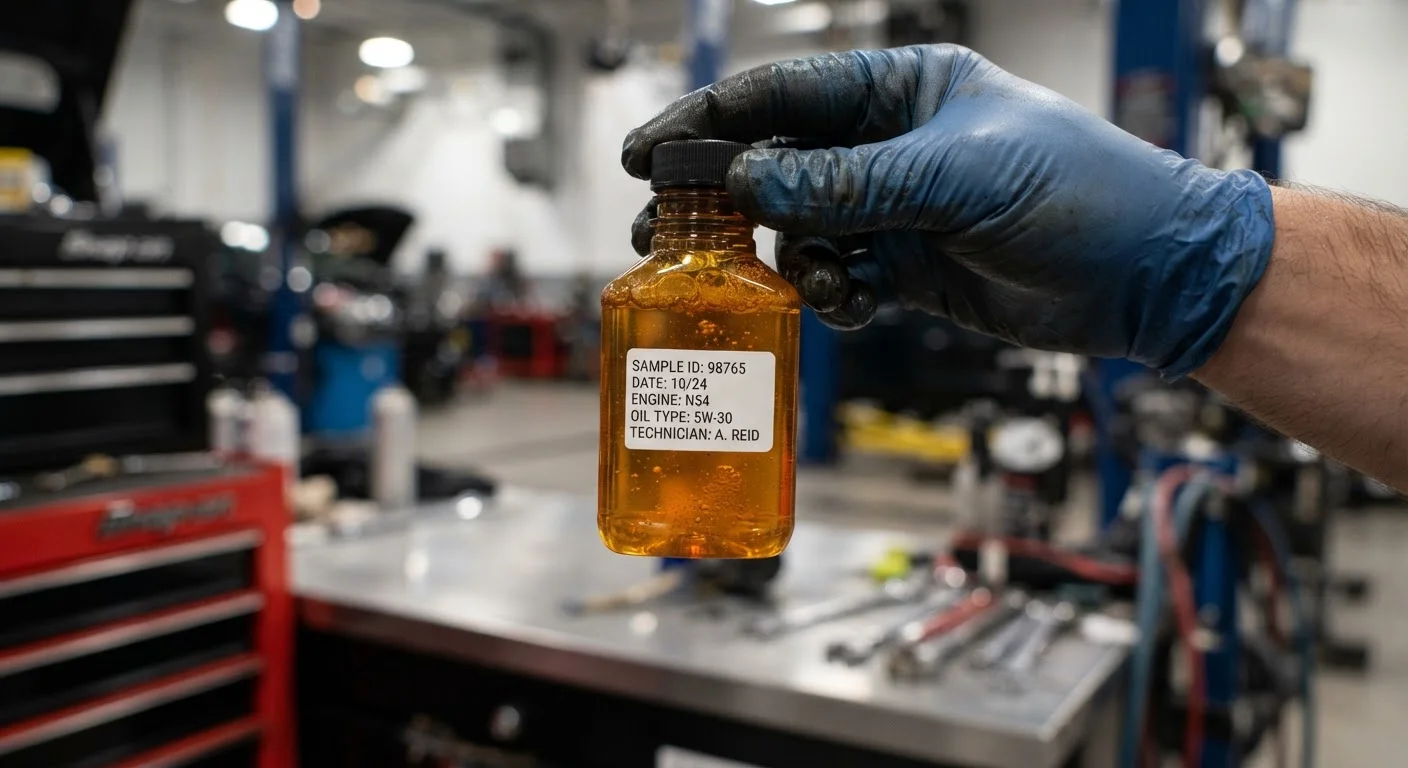
- Fluids: Check engine oil, coolant, brake fluid, power steering fluid, and transmission fluid levels. Note the color and smell - burnt oil or milky coolant (which can indicate a head gasket issue) are meaningful findings.
- Belts and hoses: Look for cracking, fraying, or bulging. A loose or glazed serpentine belt can cause charging and cooling problems that mimic more complex faults.
- Battery and terminals: White or blue corrosion on terminals causes voltage drop that can trigger a wide range of electrical faults and sensor errors.
- Tires: Uneven wear patterns point toward alignment, suspension, or inflation issues that can affect handling and fuel economy.
- Exhaust: Blue smoke suggests oil burning; white smoke can indicate coolant entering the combustion chamber; black smoke points to a rich fuel mixture.
Document Everything Before You Clear Codes
Before clearing any stored fault codes, photograph or write down the exact code numbers, their descriptions, and any freeze frame data your scanner displays. Once cleared, this information is gone. A well-kept record makes follow-up diagnosis - whether by you or a professional - much more efficient.
Always check for obvious mechanical issues before reaching for a scan tool. A disconnected vacuum hose or a loose gas cap can generate fault codes that will send you chasing electronic ghosts.
Using an OBD-II Scanner: What It Can and Can't Tell You
Since 1996, all vehicles sold in the US are required to support OBD-II, a standardized diagnostic port that allows scan tools to read fault codes (also called DTCs - Diagnostic Trouble Codes) stored in the vehicle's control modules. Entry-level scanners are widely available and can retrieve these codes in seconds.
A DTC consists of a letter and four digits. The letter indicates the system: P for powertrain, B for body, C for chassis, and U for network/communications. The numbers narrow down the specific circuit or condition that triggered the fault.
Codes Identify Circuits, Not Replacement Parts
One of the most common and costly mistakes owners make is treating a fault code as a direct instruction to replace a component. A code tells you which circuit or system the vehicle's computer flagged - not which part caused the flag. Confirming a fault through additional tests before replacing anything is always the correct sequence.
A fault code is not a parts list. A P0420 code (catalyst system efficiency below threshold) may involve the catalytic converter - but it can equally be caused by an exhaust leak, a faulty oxygen sensor, or engine misfires. Always investigate the code in context rather than replacing the most commonly blamed component. Our article on common DIY diagnosis myths covers this in detail.
Mid-range scan tools can also display live sensor data - real-time readings from oxygen sensors, coolant temperature sensors, mass airflow sensors, and more. Learning to read this data takes practice, but it's significantly more informative than codes alone. Our guide to freeze frame data and live readings explains how to interpret what you see.
Symptoms that appear only intermittently are particularly challenging - the fault may not be present when you scan. Intermittent faults often require extended monitoring or professional data-logging equipment to capture.
Knowing When to Stop and Seek a Mechanic
Recognizing the boundary of owner diagnosis is not a concession - it's sound practice. Some vehicle systems carry real physical risk if disturbed without proper training and equipment. Others require calibration tools that are not practical for home use.
Tasks that warrant professional assessment
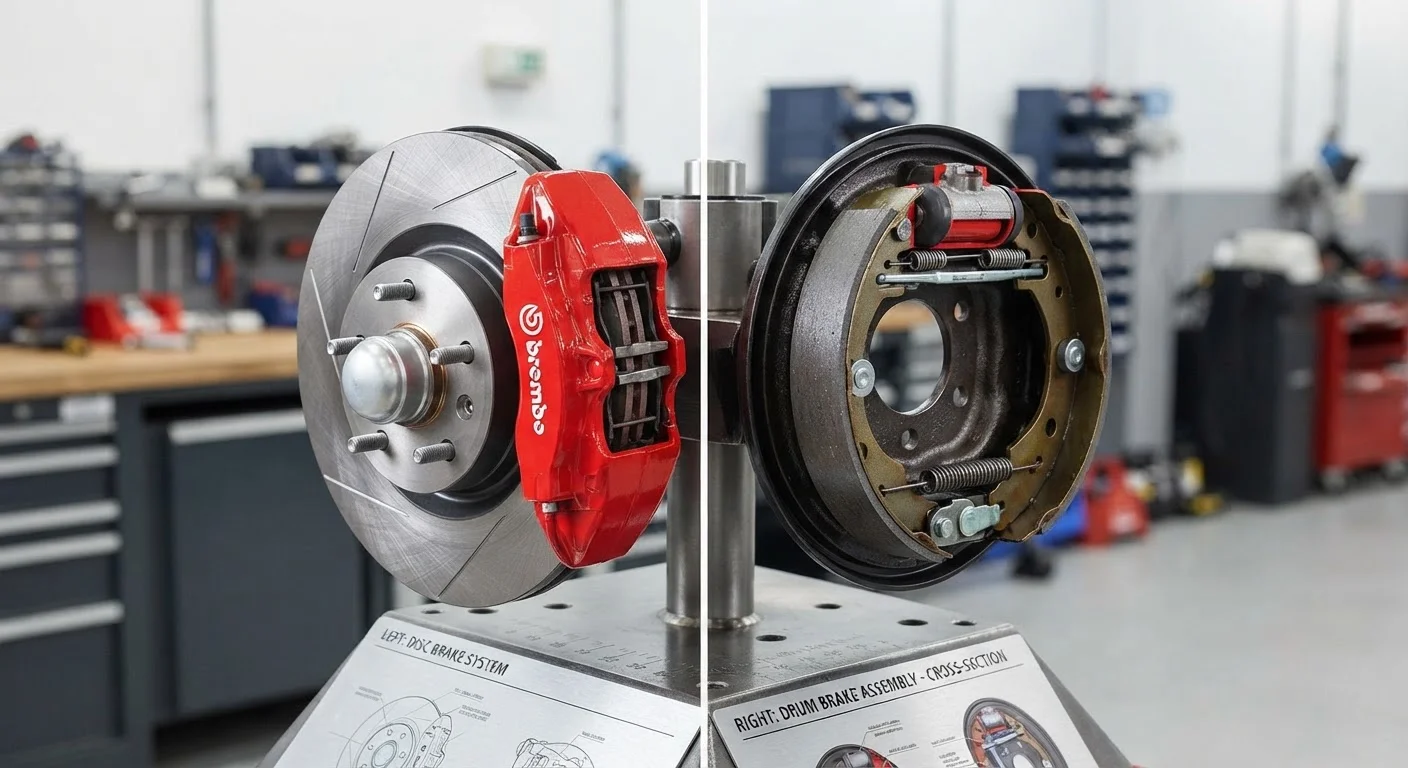
- Brake hydraulics: Any fault beyond a visual pad-thickness check - including ABS module faults, brake fluid contamination, or pedal behavior changes - should be assessed by a qualified technician.
- Airbag and SRS systems: These systems involve pyrotechnic charges. Incorrect handling can cause unintended deployment, which is a serious injury risk.
- High-voltage systems: In hybrid and electric vehicles, the high-voltage battery and associated systems require specialist training and insulated tools.
- Transmission internal faults: Codes pointing inside the transmission typically require fluid analysis, pressure testing, or disassembly that is beyond DIY scope.
Before attempting any repair based on your findings, review what to know before replacing a vehicle part yourself - it covers compatibility checks, safety steps, and honest guidance on when a job exceeds home-mechanic boundaries.
The most valuable outcome of owner self-diagnosis is often not a solved problem - it's a well-documented set of observations that helps a technician reach the correct diagnosis faster, which directly reduces labor costs. Contrast what you can do with what happens during a full workshop service to understand the full picture. And if you've already gone down a diagnostic path that hasn't resolved things, avoiding common diagnosis errors can help you reset and approach the problem more effectively.