What Makes a Part a 'Wear Part'
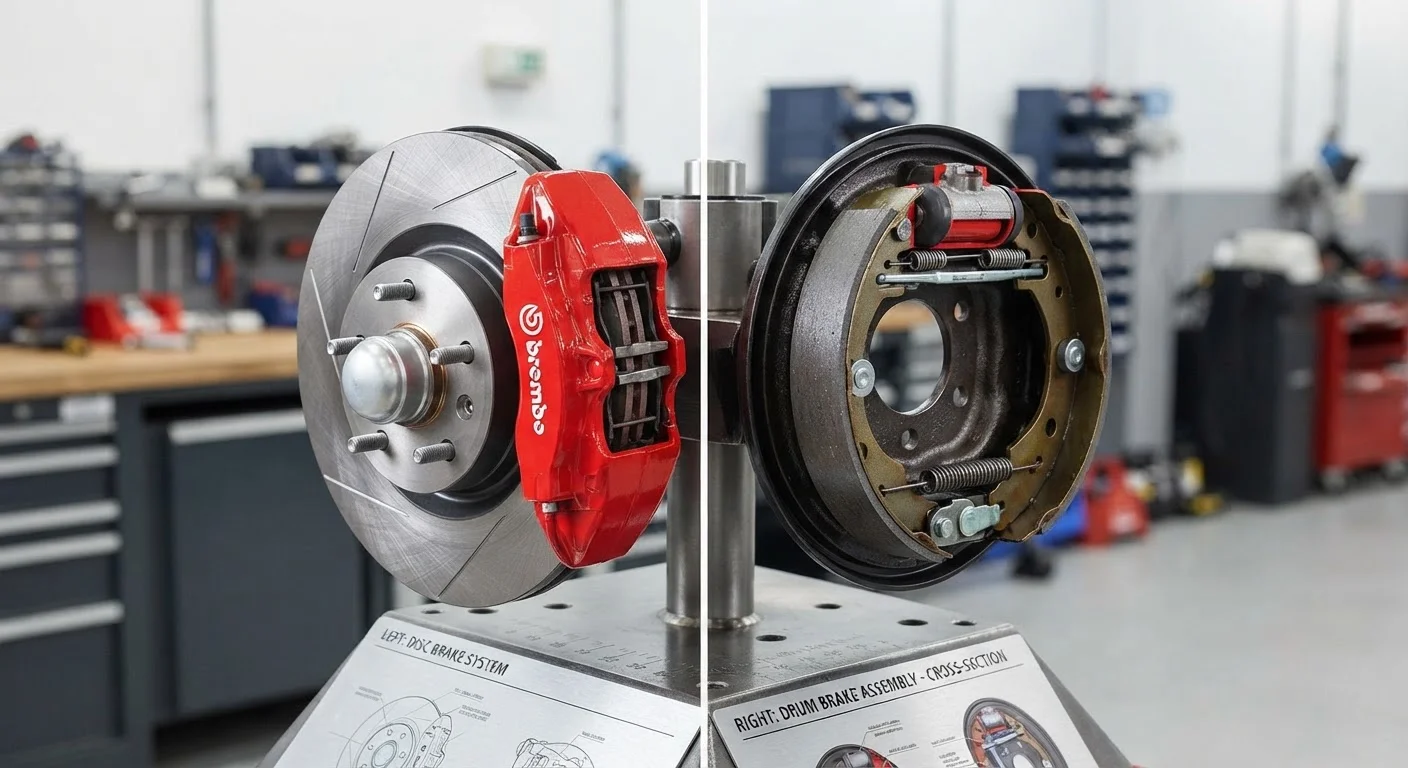
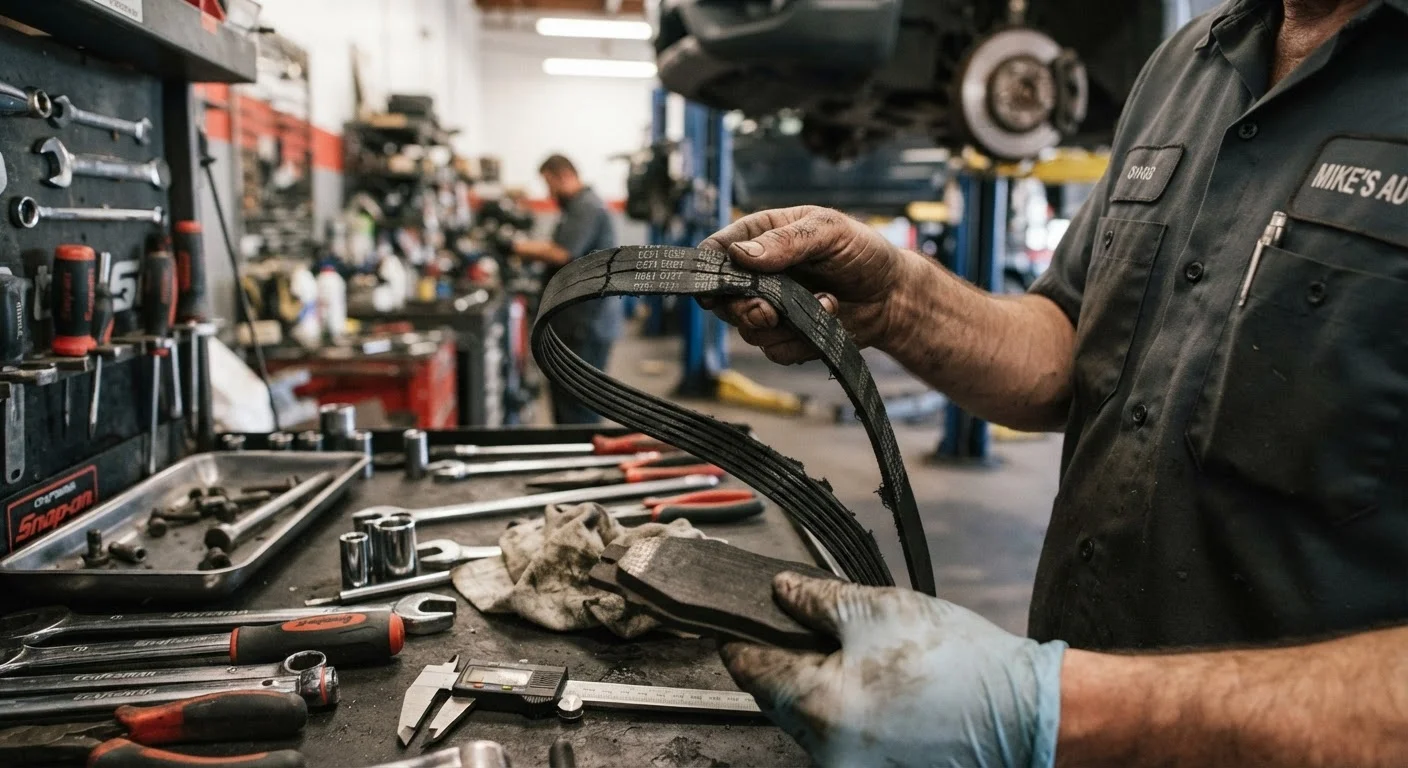
Wear parts are components designed with a finite service life - they function by absorbing friction, filtering contaminants, or flexing under load, and they degrade as a direct result of doing their job. Common examples include brake pads, serpentine belts, timing belts, air and cabin filters, wiper blades, spark plugs, and coolant hoses.
Unlike structural components that ideally last the life of a vehicle, wear parts are engineered to be replaced at intervals. Understanding this distinction matters because it shifts your maintenance mindset from reactive - replacing something after it fails - to proactive, replacing it before failure compromises performance or causes downstream damage.
Because degradation is predictable, most manufacturers publish service intervals for these components. Your vehicle's maintenance schedule translates those intervals into real-world service milestones worth understanding in detail.
The Core Practices That Extend Wear Part Life
Staying ahead of wear isn't complicated, but it does require discipline and a structured approach. The following practices form a reliable foundation.
Inspect wear parts on a dual-trigger system: by mileage AND by condition
Mileage intervals give you a reliable starting point, but physical condition can vary based on driving environment, part quality, and operating stress. Relying solely on the odometer means you may miss a component that has deteriorated faster than expected - or replace one prematurely.
Replace related wear parts together when one fails
Components that work together - such as drive belt tensioners and idler pulleys alongside the serpentine belt - often age at similar rates. Replacing only the failed part while leaving aging companions in place can result in a second failure shortly after.
Learn the warning signs specific to each wear part type
Each component type communicates its condition in distinct ways. Brake pads produce squealing or grinding; a failing serpentine belt may squeak on startup or show visible cracking; a dirty air filter produces sluggish throttle response. Recognizing these signals early gives you a wider window to act before failure.
Use your owner's manual as the baseline, not internet averages
Generic maintenance advice (such as a universal spark plug interval) frequently doesn't account for engine design, fuel type, or manufacturer-specified tolerances for your specific vehicle. Following the wrong interval can mean under-maintaining or over-spending unnecessarily.
Address minor degradation before it reaches functional failure
A wear part that is 'still working' but visibly worn has a narrowing safety margin. Waiting until complete failure increases the risk of collateral damage - a snapped belt can damage surrounding components, and worn brake pads can score rotors, multiplying repair costs.
Adjusting for Real-World Operating Conditions
Manufacturer intervals are typically based on average operating conditions - moderate temperatures, mixed highway and city driving, standard loads. Your actual conditions may warrant more frequent attention.
Severe Duty Conditions Shorten Intervals
Most owner's manuals include two maintenance schedules: normal and severe duty. Severe duty typically applies to vehicles that tow regularly, operate in extreme temperatures, drive frequently in stop-and-go traffic, or encounter dusty or unpaved roads. If any of these apply to your driving, follow the more aggressive schedule - the standard one may underestimate how quickly your wear parts are degrading.
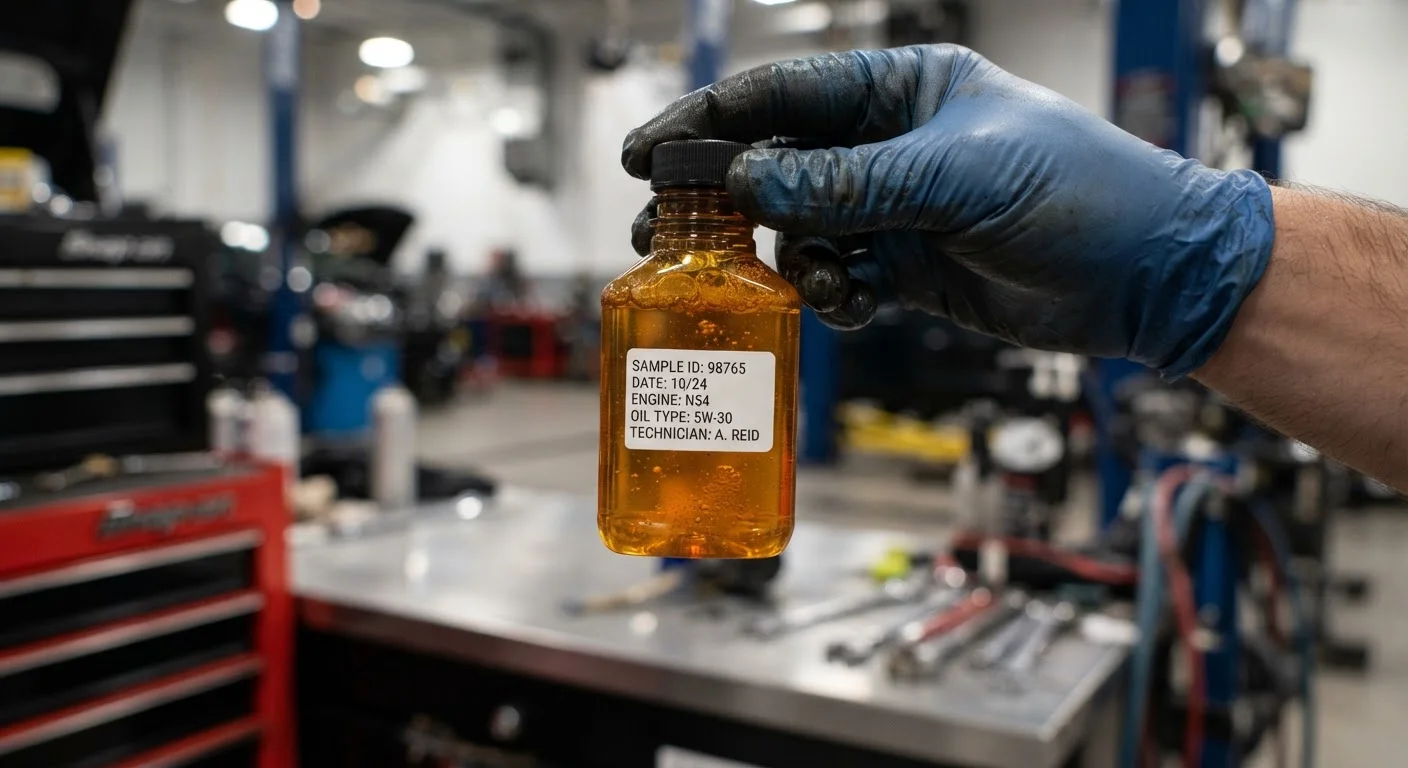
Vehicles used primarily for short trips (under five miles) never fully warm their engines, allowing moisture and unburned fuel to accumulate in the oil - a pattern that accelerates wear on belts and seals as well. Towing, dusty environments, and extreme heat or cold all place additional stress on filters, fluids, and rubber components.
If your driving patterns differ from the norm, check your owner's manual for the manufacturer's severe duty schedule. For timing belt guidance specific to your engine type, the timing belt vs. timing chain comparison provides useful context on what each design demands over time.
Build Habits That Make Maintenance Stick
Knowledge about wear intervals only translates into reliability if you act on it consistently. These quick actions help turn good intentions into a sustainable habit.
Keeping a service log is one habit that pays compounding dividends. Every inspection, fluid top-off, and part replacement you record becomes data - it tells you when something was last done, helps you anticipate what's coming due, and supports warranty claims or resale documentation. See our guide to keeping a maintenance log for a practical approach.
It's also worth understanding what happens when you don't stay current. Skipping minor services rarely stays minor - a clogged filter strains a pump, a cracked belt snaps at the worst moment, and one deferred task can create several expensive repairs.
This article provides general educational guidance on vehicle maintenance practices. Always consult your vehicle's owner's manual and, where appropriate, a qualified mechanic for service decisions specific to your vehicle.