Why RV Class Selection Starts With You, Not the Rig
The RV market offers a wide spectrum of vehicle types - from compact camper vans to 45-foot diesel pushers - and no single class is objectively best. What matters is alignment between the rig's real-world characteristics and the way you intend to travel. Before evaluating specs or floor plans, get precise about three things: how often you'll travel, who travels with you, and what kinds of destinations and campsites you'll typically use.
If you're new to the RV class system, The RV Class System Explained breaks down what Class A, B, and C motorhomes plus towable categories actually mean in practical terms. Once you understand the structural differences, the matching process becomes considerably more straightforward.
What you will need
Step-by-Step: How to Match a Class to Your Travel Profile
Determine Your Annual Usage Intensity
Estimate the realistic number of nights per year you expect to travel. Be honest rather than aspirational - most first-time buyers overestimate usage frequency. Categorize yourself: under 20 nights (occasional), 20-60 nights (regular), or 60+ nights (full-time or near full-time). Higher usage intensity justifies greater investment in comfort, durability, and living systems.
Define Your Group Size and Sleeping Requirements
List every person who will regularly travel in the RV and identify any configuration needs: dedicated beds for children, a private bedroom for couples, accessibility requirements, or space for pets. A solo traveler or couple has fundamentally different space requirements than a family of five. Class B vans sleep two adults comfortably; larger families typically need at least a Class C or a towable with a bunkhouse configuration.
Assess Your Destination and Campsite Preferences
Consider where you'll actually spend your nights. Full-hookup RV resorts accommodate virtually any size rig. National and state park campgrounds frequently impose length limits - commonly 35 feet or less - which eliminates many Class A motorhomes and large fifth wheels. Backcountry or dispersed camping on forest roads may only be accessible to vehicles under 25 feet. Map your preferred destination types to the length and clearance constraints they impose.
Evaluate Your Driving Comfort and License Requirements
Motorized RVs require you to drive the rig itself. Class A coaches - particularly diesel pushers - can exceed 40 feet and behave very differently from a passenger vehicle. Class C motorhomes, built on a cab-chassis, feel more familiar to drivers experienced with large trucks or vans. Class B camper vans drive nearly like a full-size van. In most U.S. states, a standard Class C driver's license covers RVs under a certain gross vehicle weight rating (GVWR), but verify state-specific requirements for larger motorhomes before committing.
Match Your Profile to a Class Range
Synthesize your answers from the previous steps. A traveler who camps 15 nights a year in developed campgrounds with a partner has a very different optimal class than a family of four planning 80 nights of mixed camping. Use the constraints you've identified - group size, campsite access, driving comfort, and usage intensity - to narrow your options to one or two RV classes rather than a single model. From there, exploring specific floor plan layouts will help you find the right interior configuration within your chosen class.
After completing these steps, cross-reference your conclusions with our RV Classes Compared guide to see how each class scores on space, drivability, cost, and campsite access.
Common Traveler Profiles and the Classes That Tend to Fit
While individual needs vary, a few recurring traveler profiles map predictably to certain RV classes:
- Weekend warriors taking 10-20 nights per year often find that a Class B camper van or a lightweight travel trailer provides the right balance of convenience and affordability without the overhead of a large rig.
- Seasonal road-trippers covering 30-60 nights per year typically need more sleeping capacity and kitchen functionality, making Class C motorhomes or mid-size fifth wheels a common fit.
- Full-timers living on the road year-round generally require the living space, storage, and systems of a Class A motorhome or a large fifth wheel. The part-time vs. full-time RVing comparison explores how lifestyle intensity shapes both rig choice and long-term budget.
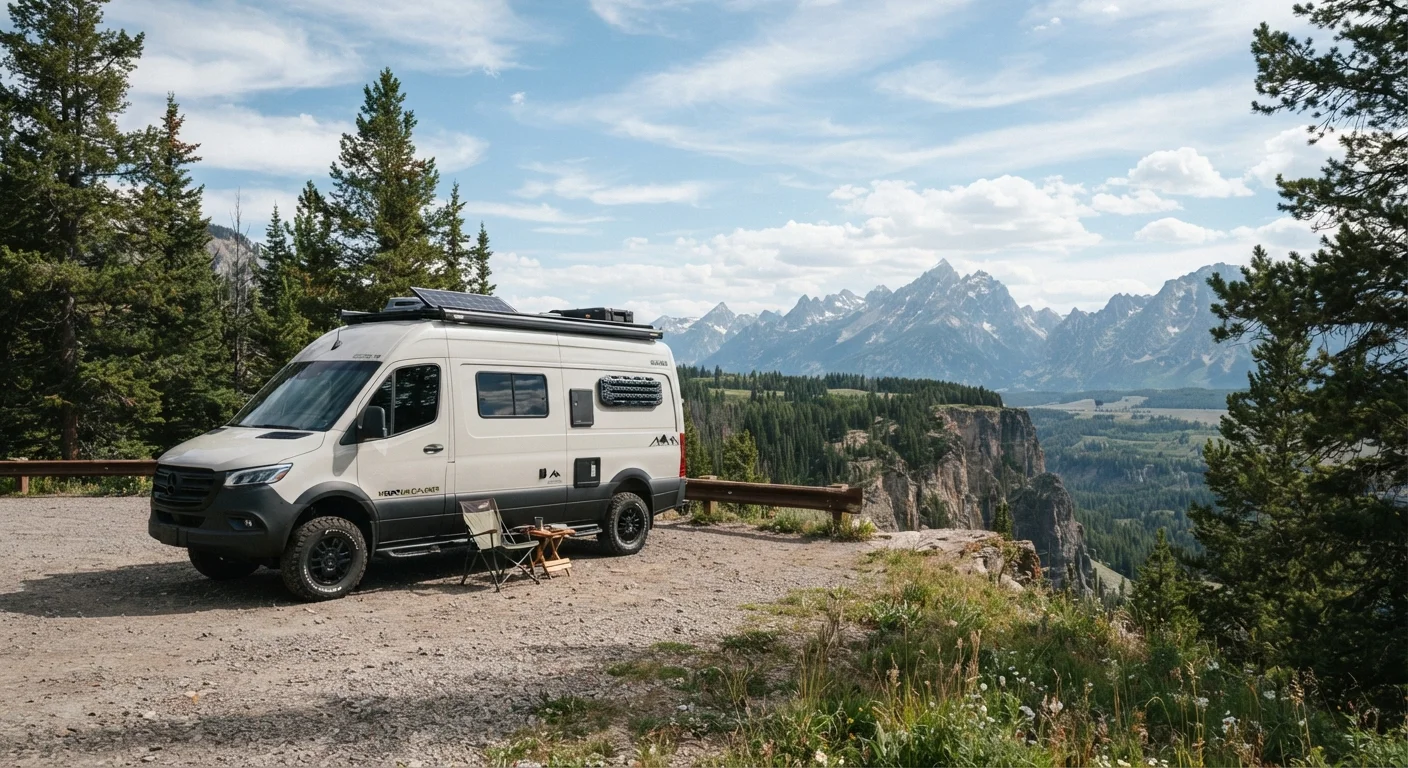
- Off-grid adventurers prioritizing remote campsites often favor shorter, lighter rigs - truck campers or Class B vans - that access roads where larger units cannot go.
Rent Before You Commit
Many RV rental platforms offer access to Class B vans, Class C motorhomes, and travel trailers by the week. Renting a class you're seriously considering - especially for a trip that mirrors your typical travel style - provides practical data that no amount of spec-sheet research can replicate. Pay attention to how the rig drives, how it feels at the campsite, and whether the living space genuinely works for your group.
Interior configuration matters as much as class designation. Families may want to compare bunkhouse and master-suite layouts before committing to a floor plan.
Practical Constraints That Narrow Your Options Further
Once you have a class direction in mind, several practical constraints help narrow the field further:
- Tow vehicle capability
- If you're leaning toward a towable, your existing or planned tow vehicle's rated capacity is a hard limit. RV Classes and the Tow Vehicles They Actually Require explains exactly what each towable category demands in terms of hitch class, tongue weight, and towing capacity.
- Campsite access
- State parks, national forest roads, and urban RV parks often impose length or height limits. Larger Class A coaches can be restricted from sites that a Class C or travel trailer accesses without issue.
- Storage and home base
- Where you'll keep the rig when not traveling affects which classes are logistically feasible. A 40-foot motorhome requires considerably more storage space than a pop-up camper or a Class B van.
Avoid Buying to Your Peak Trip, Not Your Average Trip
One of the most common RV purchasing mistakes is sizing up for a once-a-year large-group camping trip while ignoring the 15 other nights where a smaller rig would be easier to drive, park, and maintain. A rig that's oversized for 90% of your trips creates ongoing hassle and expense. Size for your typical use case, not your occasional maximum.
For readers thinking about full-time living, how full-timers follow the weather across regions offers insight into how climate-based route planning interacts with rig selection.