Why Cabin Specs Are Only the Starting Point
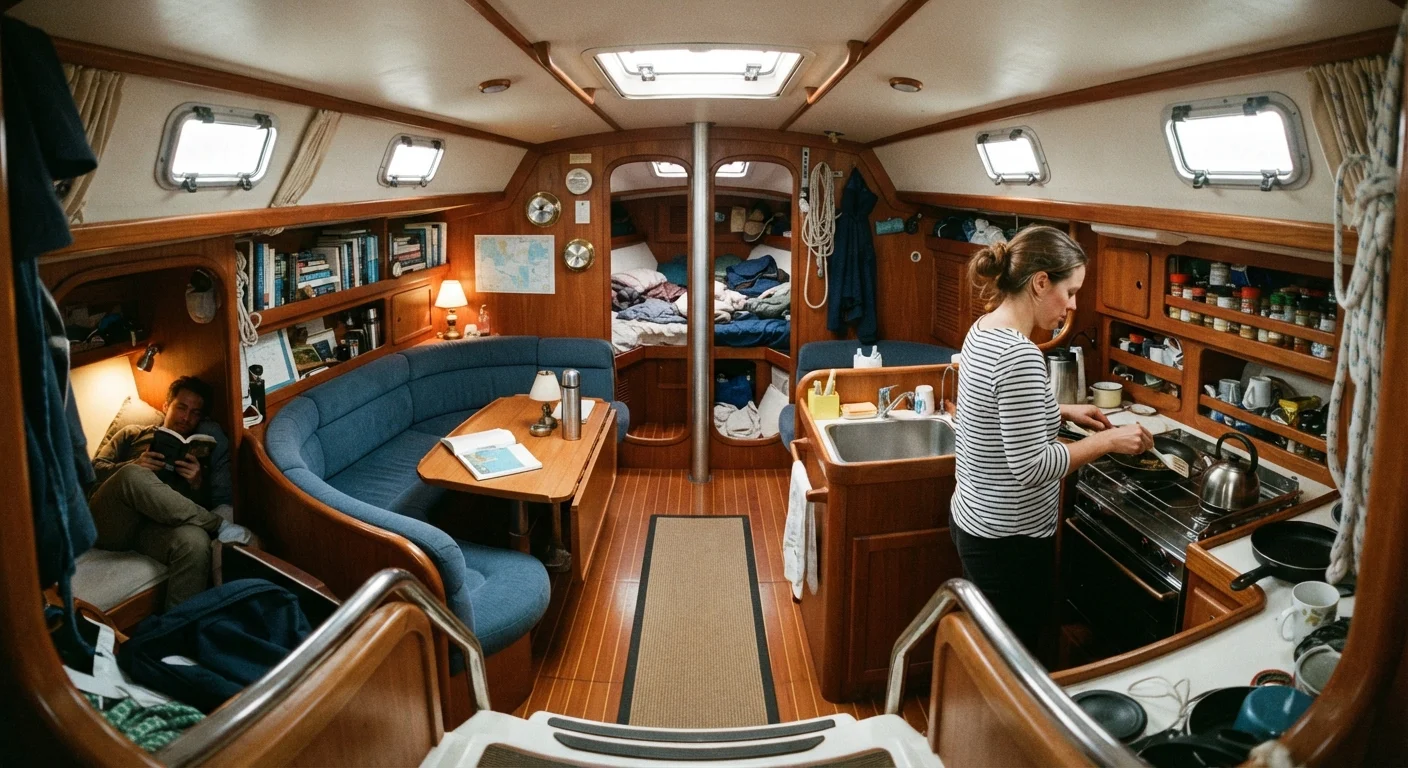
Manufacturers publish headroom figures, berth counts, and galley footprints as selling points - and those numbers are real. But they rarely capture what it actually feels like to cook a meal in a seaway, sleep soundly in a V-berth, or move through the cabin without banging your elbows. Livability is experiential, and no datasheet fully communicates it.
This checklist is designed to bridge that gap. Use it during a boat inspection - ideally one where you spend meaningful time below decks rather than just glancing at the layout. Before you walk through it, make sure you're already familiar with the core specification language: our guide to reading a boat specification sheet explains hull, beam, draft, and displacement so those figures have context when you assess how they translate into interior volume.
This evaluation pairs naturally with the pre-purchase evaluation checklist, which addresses vessel category fit, mooring logistics, and waterway suitability - factors that sit upstream of the livability questions here.
Headroom and Passage Width
Berths and Sleeping Comfort
Galley Ergonomics and Storage
Ventilation, Light, and Odor Management
Head Compartment and Freshwater Systems
Noise and Motion at Anchor and Underway
What to Bring and How to Prepare
A productive livability inspection requires a little preparation. Bring a tape measure to verify berth and headroom figures yourself - manufacturer measurements are sometimes taken at the single tallest point of the cabin, which may not represent the zone where you'll actually stand. Bring your tallest crew member, too.
Tape measure (25 ft / 8 m)
Independently verify berth length, width, and headroom at multiple points in the cabin.
Flashlight or headlamp
Illuminate lockers, bilge access points, and low-light areas that reveal moisture, corrosion, or odor sources.
Printed checklist (this article)
Record pass/fail/questionable status for each item during the inspection rather than relying on memory.
Notebook or inspection app
Log measurements, take timestamped notes, and photograph any concerns for later review with a marine surveyor.
Tall crew member or test passenger
Confirm headroom, berth fit, and passage width for the most space-constrained person who will regularly use the vessel.
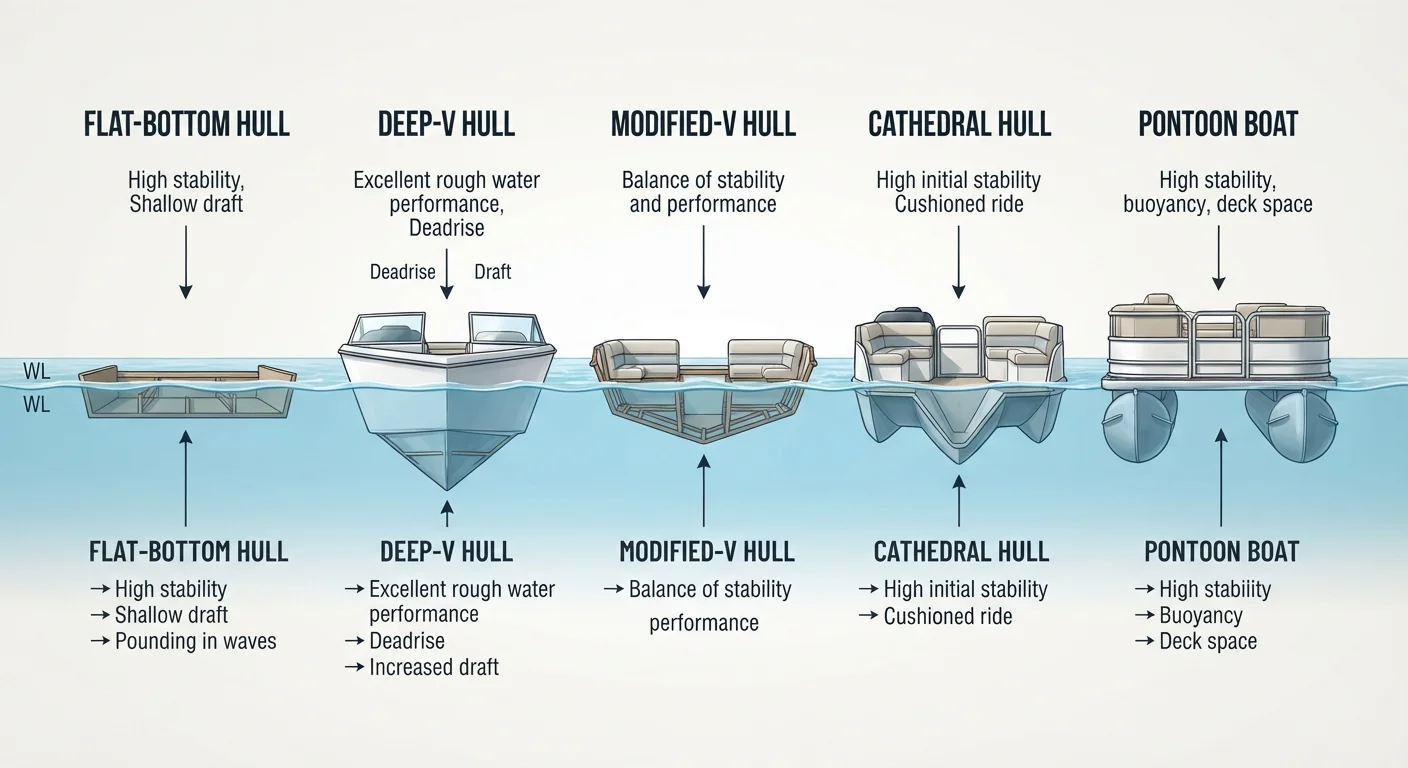
Pay close attention to features that first-time shoppers frequently undervalue. The features first-time boat shoppers overlook include storage layout and access ergonomics - both of which directly affect how a cabin feels during extended use. And if you're evaluating a motoryacht or trawler, note that hull deadrise affects how the vessel moves in a chop, which in turn affects whether sleeping berths feel comfortable underway.
Don't Rely Solely on Your Own Inspection
A livability walkthrough is not a substitute for a professional marine survey. Structural defects, osmotic blistering, keel-to-hull joint integrity, and through-hull fitting condition require qualified assessment that goes beyond what this checklist covers. Always commission a certified marine surveyor before completing a purchase.
Odors Can Signal Hidden Problems
A musty or diesel-tinged smell inside lockers and bilge spaces often indicates water intrusion, fuel leaks, or inadequate drainage - not just poor housekeeping. These conditions can be costly to remediate and may affect seaworthiness. Treat persistent odors as a serious flag requiring investigation rather than a cosmetic inconvenience.
Using the Results of Your Inspection
After working through every item on this checklist, you should have a clear, personal picture of how the vessel's interior will serve your actual use patterns - not just its theoretical capacity. Pay particular attention to any items you marked as failing or questionable: berth length shortfalls and ventilation deficits are difficult to remedy without significant modification, while storage issues are often more solvable. The watercraft features glossary can help clarify any spec terminology that came up during inspection.
Keep in mind that accessories added after purchase aren't always an improvement. Our coverage on why adding more accessories doesn't always mean a more comfortable ride explains how overcrowding a cabin with comfort gear can actually reduce livability. And for a broader systems-level view of vessel features, see the complete watercraft features guide.
This article is for informational purposes only. Boat inspections involving structural, mechanical, or safety assessments should be conducted by a qualified marine surveyor.