Why Size Class Is More Than a Dimension
When shoppers talk about SUV size, the conversation often stops at legroom or cargo cubic feet. Those numbers matter, but size class ripples into nearly every ownership variable: fuel costs, parking feasibility, insurance premiums, towing ratings, and even the type of platform the vehicle is built on.
Understanding the architecture behind modern SUVs is foundational here. Compact and most mid-size SUVs use unibody construction - the body and frame are integrated - which prioritizes ride comfort and fuel economy. Many full-size SUVs ride body-on-frame platforms borrowed from pickup trucks, enabling higher tow ratings and payload figures at the cost of fuel economy and urban agility. That architectural divide means size class is really a proxy for a broader set of engineering priorities. See also the complete guide to SUVs for a deeper orientation before diving into the comparison below.
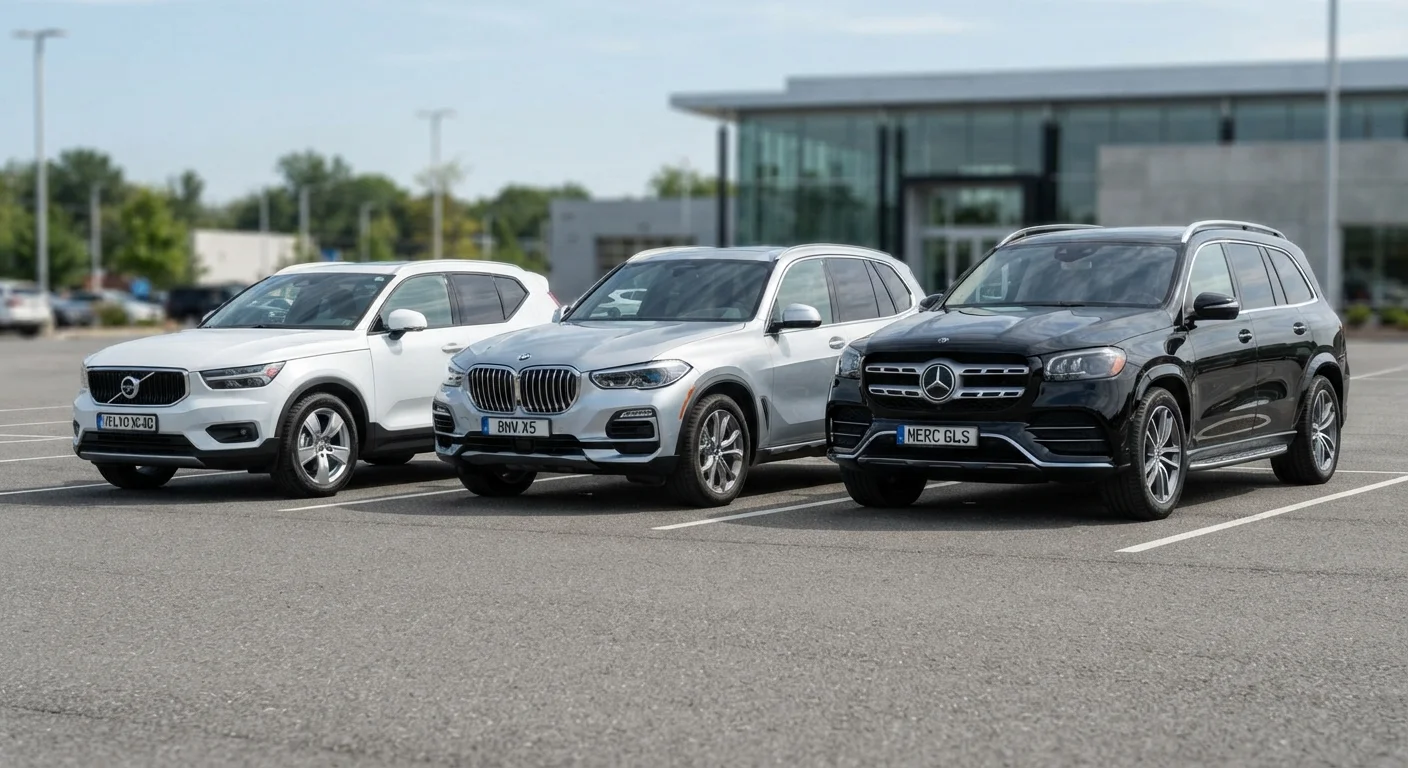
| Compact SUV | Mid-Size SUV | Full-Size SUV | |
|---|---|---|---|
| Typical Overall Length | ~170-182 inches | ~183-200 inches | ~200-222 inches |
| Combined Fuel Economy (gas) | High 20s-low 30s mpg | Mid 20s mpg | High teens-low 20s mpg |
| Cargo (behind rear seats) | ~25-35 cu ft | ~35-45 cu ft | ~20-25 cu ft (with 3rd row) |
| Typical Tow Rating | 1,500-2,000 lbs | 3,500-5,000 lbs | 7,500-8,500 lbs |
| Platform Architecture | Unibody | Mostly unibody | Often body-on-frame |
| Three-Row Option | Rarely available | Sometimes available | Standard on most models |
| Urban Maneuverability | High | Moderate | Low |
Compact SUVs: Efficiency and Agility First
Compact SUVs - generally under 180 inches in overall length - are the segment's volume sellers for good reason. They slot into city parking spaces that would strand a larger vehicle, return competitive fuel economy figures (often in the upper 20s to low 30s mpg combined for gasoline models), and typically carry lower base prices and insurance costs than their larger siblings.
The trade-offs are real. Second-row legroom is functional but not generous for tall adults on long trips, and cargo capacity behind the rear seats - usually 25 to 35 cubic feet - is meaningful but not cavernous. Towing ratings on most compact crossovers hover between 1,500 and 2,000 lbs, suitable for small trailers or a lightweight camper, but not a boat or horse trailer. If your household regularly hauls more than three adults plus gear, a compact may feel cramped quickly.
Test Real-World Cargo Before Deciding
Cubic-foot figures in spec sheets measure total volume, not usability. Before settling on a size class, load your typical gear - stroller, sporting equipment, luggage - into the vehicle and close the hatch. Floor shape, wheel-well intrusions, and load-floor height affect practical cargo space more than raw numbers suggest.
Mid-Size SUVs: The Practical Middle Ground
Mid-size SUVs span roughly 183 to 200 inches in length and occupy the widest buyer sweet spot. Second-row legroom is genuinely comfortable for adult passengers on extended drives, cargo capacity typically runs 35 to 45 cubic feet behind the rear seats, and unibody-based mid-sizers often tow between 3,500 and 5,000 lbs - enough for many travel trailers and ski boats.
Fuel economy does dip relative to compact crossovers, but the gap is narrower than many expect. A well-specced mid-size SUV can still return 24-27 mpg combined. Where the trade-off becomes concrete is in urban environments: parallel parking a 197-inch vehicle in a dense city is noticeably harder than maneuvering a 175-inch compact. For families weighing whether to step up to a third row, the full picture on three-row SUVs is worth reading before committing.
Full-Size SUVs: Maximum Capability, Real Compromises
Full-size SUVs - typically exceeding 200 inches - are built around truck platforms in most cases, delivering towing capacities from 7,500 to 8,500 lbs for properly equipped models. Three-row seating is standard, third-row legroom is actually usable (unlike squeezed mid-size three-row variants), and total passenger-plus-cargo volume is unmatched in the class.
The cost of that capability is significant. Combined fuel economy for naturally aspirated full-size models often sits in the high teens to low 20s mpg. Their footprint makes city driving and tight garages genuinely problematic. And while they share platform DNA with full-size pickup trucks, the added body work raises curb weight, which can blunt payload capacity relative to the truck equivalent. If your actual weekly life involves regular highway travel, frequent towing, and seven or more passengers, the full-size proposition makes sense. If those are occasional events, the running cost premium is hard to justify.
Tow Rating Requires Full Specification Review
Manufacturer tow ratings are configuration-specific. A full-size SUV's headline tow figure typically requires a specific engine, tow package, and axle ratio. Trim levels without the tow package may be rated significantly lower. Always verify the rating against the actual build, not the class average, and ensure your hitch, trailer brakes, and tongue weight fall within the vehicle's stated limits.
The Framework: Matching Class to Real Use
The most common sizing mistake is buying for peak demand rather than typical demand. A family that tows a boat four weekends per year but commutes 45 minutes daily would likely be better served by a mid-size SUV or even a sedan - see how sedan classes map to real-life needs for useful parallel thinking. Reserve full-size consideration for buyers whose towing, passenger load, or off-road requirements are consistent rather than occasional.
A practical three-question test: How many adults ride regularly? If it's rarely more than four, compact or mid-size handles it. What's your real towing need? Under 2,000 lbs, any class works; over 5,000 lbs, only full-size body-on-frame models reliably deliver. Where do you park daily? Tight urban garages and street parking heavily favor compact models. Buyers who also want to explore the SUV's adventure potential should review how SUVs perform as overlanding platforms - size class interacts with roof load ratings and recovery gear fitment in ways that aren't obvious at the dealership.
~40%
Share of new US vehicle sales that are SUVs/crossovers
SUVs and crossovers have consistently represented a large share of the US new-vehicle market, reflecting broad consumer demand across all three size classes.
~6-8 mpg
Typical combined fuel economy gap: compact vs. full-size
EPA combined ratings for comparable gasoline models commonly show a 6-8 mpg spread between compact crossovers and body-on-frame full-size SUVs.